


Written and medically reviewed by Nicole Schrader, MD, FACS
Double board-certified in facial plastic and reconstructive surgery and otolaryngology–head and neck surgery, with more than 20 years of facial plastic surgery experience.
Full Bio | Instagram
Last reviewed: July 17th, 2026
Quick Answer: Buccal fat removal may be worth considering for carefully selected adults with persistent fullness in the lower cheeks, stable weight, and realistic expectations. However, it is not appropriate for every round or full face. The procedure permanently reduces part of the cheek’s deep fat volume, so the decision should take into account your facial structure, skin quality, age, existing facial volume, and how your face may change over time.
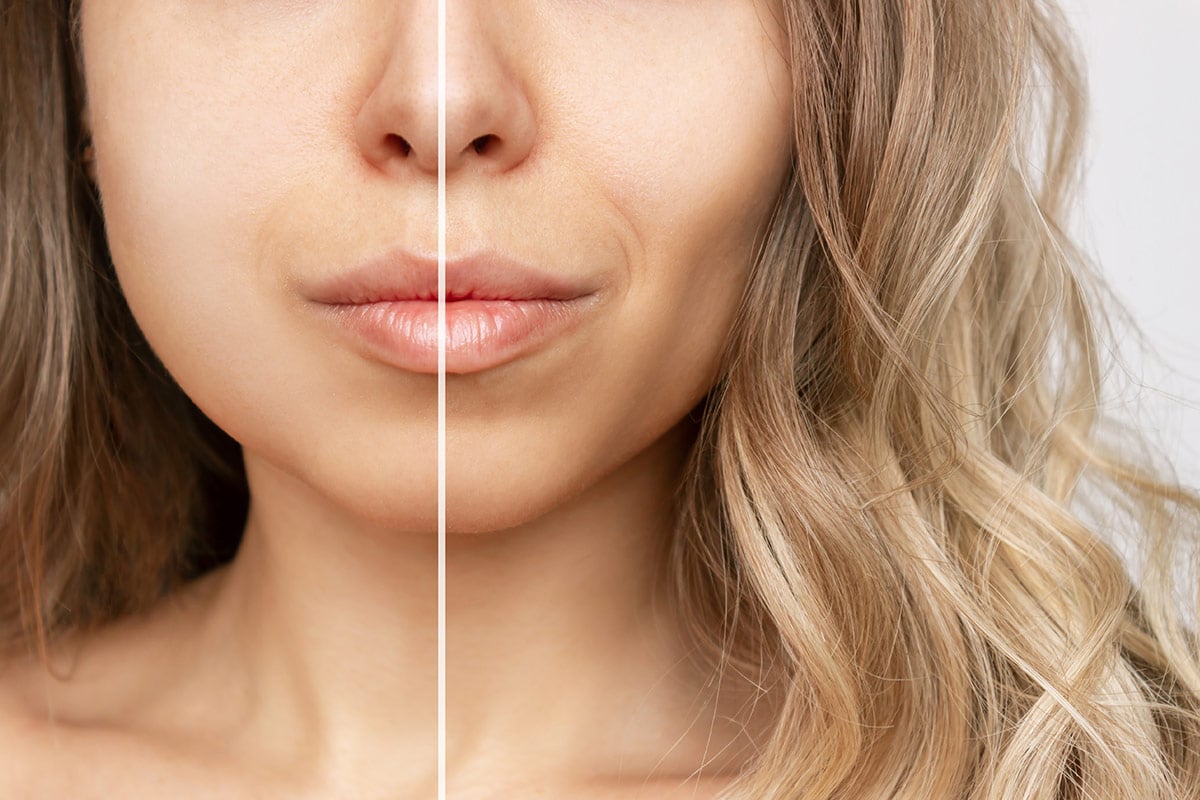
Buccal fat removal, also called cheek reduction surgery, is a procedure that reduces fullness in the lower cheeks. It may create more definition beneath the cheekbones, but it is not the right choice for every face.
In my practice, I carefully evaluate a patient’s facial shape, skin quality, age, existing facial volume, and long-term goals before recommending the procedure. My priority is to improve facial balance without removing the natural fullness that helps the face look healthy over time.
In this article, I will explain the possible benefits, limitations, common concerns, and factors that can help determine whether buccal fat removal may be appropriate for you.
Key Takeaways
- My goal is a conservative, natural-looking result that improves facial balance without removing too much healthy fullness.
- Buccal fat removal can improve lower-cheek definition, but it is not the right procedure for every full or round face.
- The best candidates generally have persistent cheek fullness, stable weight, good overall health, and realistic expectations. These qualities are also included in the American Society of Plastic Surgeons’ candidate guidelines.
- The change is permanent. The removed fat does not grow back, although your face will continue to change naturally with age and weight fluctuations.
- Careful patient selection is essential. I may recommend against the procedure if you already have a thin or narrow face, facial hollowing, or significant skin laxity.
What Are the Benefits of Buccal Fat Removal?
For the right patient, buccal fat removal may improve facial definition and reduce persistent fullness in the lower cheeks. The potential benefits depend on your anatomy, expectations, and the amount of fat that can be removed safely.
1. Greater Cheekbone Definition
Excess fullness in the lower cheeks can sometimes hide the natural shape of the cheekbones and create a rounder facial appearance.
By reducing a carefully selected portion of the buccal fat pad, I may be able to create more definition beneath the cheekbones and improve the overall balance of the face.
The goal is not to make the cheeks look hollow. It is to create a subtle change that complements your natural facial structure.
2. Long-Lasting Results
The portion of the buccal fat pad removed during surgery does not grow back. However, this does not mean that your face will remain exactly the same throughout your life.
Your facial volume, skin, and underlying tissues will continue to change with normal aging and weight fluctuations. This is why I consider both your current appearance and your long-term facial balance before recommending surgery.
3. No Visible External Scars
The incisions used for buccal fat removal are generally made inside the mouth, so there are no visible external surgical scars.
According to Cleveland Clinic, many patients can return to their regular activities within several days to one week. Initial healing commonly takes approximately three weeks, although swelling may take several months to fully settle.
Recovery varies from person to person, so I provide each patient with instructions based on their procedure and individual healing needs.
4. A Personalized Approach
Buccal fat removal is not a one-size-fits-all procedure. Even a small change in cheek volume can affect the balance of the entire face.
When evaluating a patient, I consider:
- The natural width and shape of the face
- The location of the cheek fullness
- Cheekbone projection
- Skin quality and elasticity
- Existing facial volume
- Age and weight stability
- Long-term aesthetic goals
This allows me to determine whether buccal fat removal—or another approach—is more likely to create a natural-looking result.

Trust your face to a specialist
My Goal is to create Harmony, Balance & true Beauty
Myths About Buccal Fat Removal
In the realm of cosmetic procedures, misinformation and misconceptions can often cloud our judgment and prevent us from making informed decisions. Let’s address some common myths surrounding Buccal Lipectomy and uncover the truth behind this transformative procedure.
1. Buccal Fat Pad Removal Will Make Your Skin Saggy at Some Point
A common myth about Buccal Fat Removal is that it might cause sagging skin over time. This concern stems from the belief that removing fat pads compromises skin elasticity. However, the procedure is designed to target specific fat deposits, leaving the skin’s natural structure intact. When performed by an experienced surgeon, BFR can enhance the natural contours of the face without negatively impacting the skin’s firmness. Many patients report a more youthful and lifted appearance, benefiting from the precise nature of the procedure.
2. Buccal Fat Removal Ages You Much Faster
Some fear that BFR might lead to premature aging, assuming it creates a hollowed or sunken look. This misconception arises from a misunderstanding of how the procedure works. BFR focuses on enhancing facial contours, particularly by accentuating the cheekbones and defining natural structures. When performed by a skilled surgeon, the results are balanced and tailored, avoiding any overly aggressive fat removal. Instead, patients often experience a refreshed and youthful look that aligns with their aesthetic goals.
3. Buccal Fat Removal Will Make You Look Gaunt When Older
The concern that BFR may cause a gaunt appearance as you age is largely unfounded. This fear is tied to the assumption that reducing facial fat could lead to excessive hollowness over time. However, experienced surgeons carefully evaluate each patient’s unique facial structure and remove only the appropriate amount of fat. The procedure is designed to preserve a natural balance, ensuring youthful fullness while enhancing definition. With proper technique, BFR supports a long-term harmonious and attractive appearance, even as you age.
Common Concerns About Buccal Fat Removal
When patients ask me about buccal fat removal, they often have the same concerns: Will my skin sag? Will I look older? Could my face look too hollow later?
These are reasonable questions. Buccal fat contributes to the natural fullness of the cheeks, so removing it can affect how the face looks both now and as it changes with age.
The outcome depends on your facial shape, age, skin quality, current facial volume, and how much fat is removed. This is why I do not recommend buccal fat removal based on trends, social media, or photographs alone. I first need to evaluate whether the procedure makes sense for your individual face.
Can Buccal Fat Removal Cause Sagging Skin?
Buccal fat removal does not directly tighten or loosen the skin. However, when volume is removed from beneath the cheek, existing loose skin may become more noticeable.
For example, someone with firm, elastic skin may respond differently from someone who already has early sagging or reduced skin elasticity.
Buccal fat removal is not a skin-tightening procedure. If loose skin is the main concern, another treatment may be more appropriate.
During a consultation, I evaluate how much cheek fullness is present and whether the skin is likely to adjust well after some of that volume is removed.
Can Buccal Fat Removal Make You Look Older?
Buccal fat removal does not automatically make you age faster.
In the right patient, conservative fat removal may create more definition while maintaining a natural and balanced appearance. The key word is conservative.
If too much fat is removed—or if the procedure is performed on someone who already has a thin or volume-deficient face—the cheeks may eventually look overly hollow. This can make certain signs of aging more noticeable.
Our faces naturally lose and redistribute volume as we get older. Because of this, I consider not only how a patient looks today but also how the face may change over time.
My goal is never to remove as much fat as possible. My goal is to improve definition without taking away the natural fullness that helps the face look healthy and balanced.
Can Buccal Fat Removal Make You Look Gaunt as You Get Older?
It can in some patients.
The risk may be higher in people who naturally have narrow faces, visible cheek hollows, limited facial fat, or early volume loss. The American Society of Plastic Surgeons notes that buccal fat removal is generally not performed in people with thin, narrow faces because it may cause the face to look more gaunt with age.
This is one reason I may advise a patient not to have the procedure, even if they are interested in it.
During a consultation, I evaluate:
- The natural width and shape of your face
- Where the cheek fullness is located
- The prominence of your cheekbones
- Your age and skin elasticity
- Whether you already have facial hollowing
- Whether your weight is stable
- How much fat could be removed without affecting facial balance
I favor a conservative approach and may recommend against buccal fat removal when a patient already has a narrow or volume-deficient face.
No surgeon can predict exactly how a face will age. However, careful patient selection and conservative treatment may help reduce the risk of an overly hollow appearance.
Ultimately, buccal fat removal is not simply a good or bad procedure. The more important question is whether it is appropriate for your facial anatomy, goals, and long-term facial balance.
Is Buccal Fat Removal Worth It?
Buccal fat removal may be worth considering if you have persistent fullness in the lower cheeks, realistic expectations, and facial anatomy that can support a permanent reduction in volume.
However, the procedure is not right for every patient. If you already have a thin face, facial hollowing, loose skin, or fullness caused by another part of your anatomy, I may recommend a different option.
The most important step is an in-person evaluation. During your consultation, I will assess your facial structure, listen to your concerns, and explain whether buccal fat removal is likely to create a balanced result that continues to look natural over time.
What Are the Risks of Buccal Fat Removal?
As with any surgical procedure, buccal fat removal involves possible risks and complications.
According to the American Society of Plastic Surgeons, potential risks may include:
- Bleeding
- Infection
- Facial asymmetry
- Prolonged swelling
- Numbness or changes in sensation
- Injury to a salivary duct
- Injury to branches of the facial nerve
- Persistent pain
- Poor healing
- An unsatisfactory or minimal aesthetic change
- The possible need for revision surgery
I discuss the potential benefits, limitations, and risks with each patient before surgery so they can make an informed decision.
Why Choose Dr. Nicole Schrader for Your Buccal Fat Removal?
Choosing to have buccal fat removal is a personal decision, and selecting a surgeon with extensive knowledge of facial anatomy is an important part of the process.
Because even a small change in cheek volume can affect the balance of the entire face, I take a careful and conservative approach. My goal is to help you achieve greater facial definition while preserving the natural fullness that keeps your appearance healthy and harmonious.
- More than 20 years of facial plastic surgery experience: I have spent over two decades treating cosmetic and functional concerns of the face, including more than 13 years in private practice.
- Double board-certified: I am certified by the American Board of Facial Plastic and Reconstructive Surgery and the American Board of Otolaryngology–Head and Neck Surgery.
- Advanced education and fellowship training: I graduated summa cum laude from Georg-August University in Germany, completed my residency in otolaryngology–head and neck surgery at Temple University, and pursued specialized fellowship training in facial plastic and reconstructive surgery in New Jersey.
- Member of leading professional organizations: I am a member of the American Academy of Facial Plastic and Reconstructive Surgery and the American Academy of Otolaryngology–Head and Neck Surgery.
- Recognized experience and commitment to the field: I have contributed to peer-reviewed research and medical presentations and was recognized as Best Plastic Surgeon in the 2017 Town Topics Readers’ Choice Awards.
During your consultation, I will take the time to understand what you would like to change and carefully evaluate your cheek fullness, facial width, cheekbone projection, skin quality, age, and existing facial volume.
Buccal fat removal is not the right choice for every person. I may recommend a different approach—or no procedure—when that would provide a safer or more balanced result.
My priority is to give you an honest recommendation and create an outcome that looks natural for your individual face.
Frequently Asked Questions About Buccal Fat Removal
Yes. The portion of the buccal fat pad removed during surgery does not grow back. However, your face will continue to change with age and weight fluctuations.
It can be worthwhile for the right patient. The decision should be based on your anatomy, long-term goals, expectations, and a careful in-person evaluation.
Good candidates generally have persistent fullness in the lower cheeks, stable weight, good overall health, and realistic expectations.
I may advise against the procedure if you have a naturally thin or narrow face, existing facial hollowing, significant loose skin, or plans for substantial weight loss.
Not necessarily. In an appropriate patient, conservative removal may improve definition. However, removing too much fat may make the face look overly hollow as it ages.
It does not directly cause sagging, but reducing cheek volume may make existing skin laxity more noticeable.
Visible external scars are not expected because the incisions are generally made inside the mouth.
Many patients return to regular activities within several days to one week. Initial healing commonly takes around three weeks, but the final contour may take several months to become clear.
Possible risks include bleeding, infection, asymmetry, prolonged swelling, nerve or salivary-duct injury, numbness, poor healing, and an unsatisfactory result.