


Eyebrow Microblading Princeton, NJ
The eyebrows are one of the most important features on a person’s face. When properly sculpted, they can balance the facial features and increase overall attractiveness. Many women choose to groom their eyebrows and often add in temporary cosmetic enhancements like brow pencils, powders, and colored gels as part of their makeup routine. Some women opt for a permanent solution to this daily routine and have their eyebrows tattooed onto their faces. Now, there is a semi-permanent cosmetic option for sparse or nonexistent brows: eyebrow microblading. The procedure is performed by a licensed aesthetician, Giselle Lupovich at the Schrader Facial Plastic Surgery office in Princeton NJ under the guidance of facial plastic surgeon, Dr. Nicole Schrader.




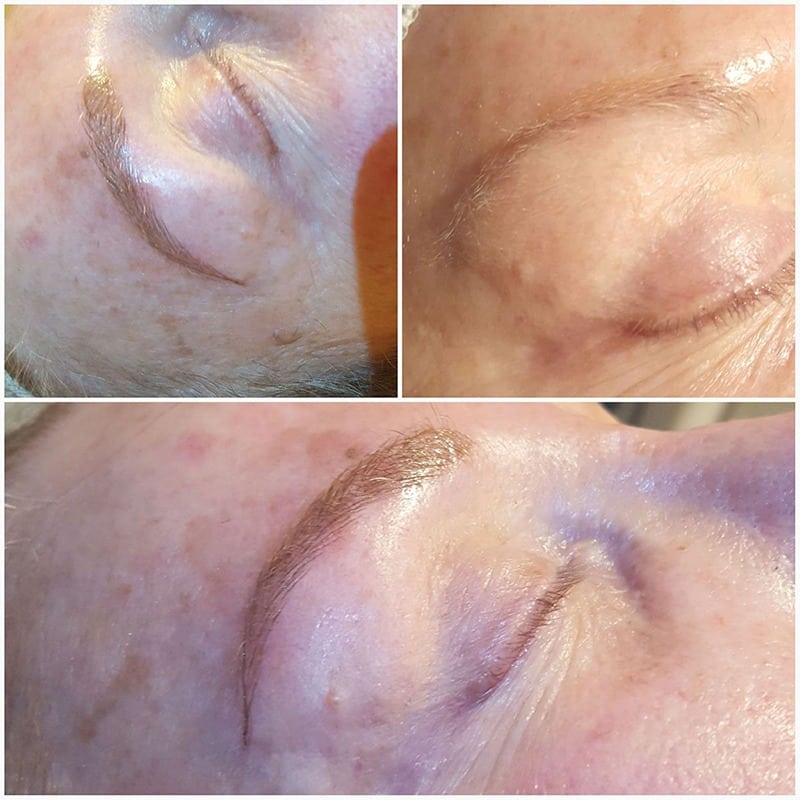
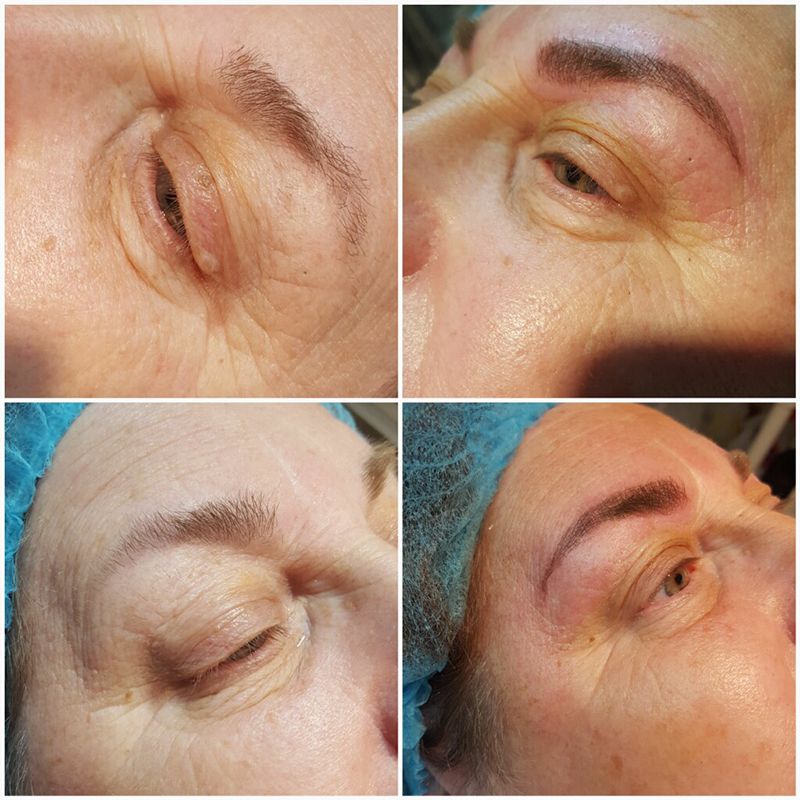
How Does Eyebrow Microblading Work?
The centuries-old method of cosmetic tattooing has transformed with newly developed application methods but uses a similar approach for permanent skin art. Tattoos are designs embedded in the dermis, which is the deepest layer of skin. Eyebrow microblading pigment, however, is delivered to the upper dermis. This is why this cosmetic treatment is considered semi-permanent. The needles from the microblading instrument nick the skin to the depth of the upper dermis. The ends of the needles deposit the pigment to this layer and remain in place as the skin heals over it. As new skin cells regenerate from within, this pigment eventually is pushed out of the skin, a process that can take from one to three years.
How is Eyebrow Microblading Performed?
We want you to feel completely relaxed and know exactly what to expect when you come in. The entire appointment takes about two hours, and we break it down into four simple steps:
First, we thoroughly cleanse and disinfect the brow area. Then, we apply a topical numbing cream and let it sit for about 20 minutes so you stay completely comfortable throughout the procedure.
Once you are numb, we lightly trim or tweeze stray hairs to ensure the desired brow shape. Next comes the magic: we meticulously measure and map your brows using the golden ratio and string methods. This guarantees perfect symmetry that flatters your unique facial contours.
Using precise, manual strokes, our expert dips the microblading pen into high-quality pigment and draws delicate lines that follow your natural hair growth. We carefully mirror each stroke on both sides to build a flawless foundation.
To make sure the color sets beautifully, we apply a temporary “pigment mask” over your brows. After wiping it clean, we can reapply a little numbing cream and do any immediate touch-ups needed to make sure your new brows are absolutely perfect before you leave.

The Microblading Technique
Microblading is an advanced, non-surgical art that requires a highly trained hand and specialized, sterile equipment.
Unlike a traditional, battery-powered tattoo gun, microblading uses a manual, handheld instrument. The tip of this tool features tiny, single-use needles that are arranged in a U-shape or at a specific angle. Because these delicate needles are different lengths, they allow the artist to create crisp, incredibly realistic individual strokes that look exactly like natural eyebrow hairs.
Reasons to Undergo Microblading
Eyebrow microblading is ideal for both men and women seeking more definition of facial features. Patients may have been overzealous about past grooming techniques like waxing, tweezing, and threading, causing a sparse look. Others have naturally minimal eyebrows, have conditions like alopecia areata, or have undergone cancer treatments that have led to hair loss, including that of the brows. The pigment can balance asymmetry in the eyebrows and add to existing hairs or create these face-framing features after the complete loss of the eyebrows.
Patients with active lifestyles can be great candidates for eyebrow microblading because the procedure does not require daily maintenance. After spending time outdoors, swimming, or sweating at the gym, there is no need to redo brow makeup. Undergoing microblading is also a time-saver and great for those with busy lifestyles who do not have time to apply makeup, or simply prefer a more natural beauty. Other candidates for semi-permanent eyebrow tattooing may be poor at makeup artistry techniques, allergic to makeup, or have physical limitations of the eyes and hands.
Candidates for Eyebrow Microblading
Microblading is seen as a universal procedure that most people can undergo no matter if they have oily skin, mature skin, or even sensitive skin, but there are some limitations. Prospective patients may require their doctor’s approval to be considered. Those with thin, crepey skin with many wrinkles are not suited for microblading, because the texture of the skin will have difficulty holding the pigment and can create asymmetry. The tattooing process is also not ideal for people who are prone to keloid hypertrophic scars or have an allergy to the pigment. While the conditions may be temporary, open wounds and any kind of infection (bacterial or viral) will preclude candidacy for facial treatments until they have subsided.
Some skin conditions must also be treated prior to the procedure. A doctor may need to be consulted for approval if the patient is pregnant, has high blood pressure, diabetes, or cancer, is undergoing chemotherapy or radiation treatments, uses blood thinners, or takes certain medications. Any other health concerns should also be addressed when evaluating candidacy.

Frame Your Face With Custom Eyebrow Microblading
Perfectly arched, full eyebrows effortlessly elevate your entire appearance. Utilizing the meticulous technique of microblading, we create beautifully defined, hyper-realistic brows tailored specifically to your bone structure and facial proportions. Experience the elegance of flawless, semi-permanent artistry. Contact us at 609-279-0009 to arrange your private consultation in New Jersey.
Preparing to Undergo Eyebrow Microblading
To ensure you get the absolute best results and avoid any complications, we provide a few simple instructions to follow before your session:
- Stop taking blood thinners, over-the-counter pain medications, and certain oil supplements. (Please consult your doctor before pausing any prescribed medications).
- Keep in mind that antibiotics or supplements containing iron or magnesium can also create issues.
- Pause any prescription-grade or intensive skin care treatments, especially products containing retinol.
- Skip your workout and avoid consuming alcohol for 24 hours before your visit to Schrader Facial Plastic Surgery.
- Cut out caffeine a few hours prior to your appointment, as it acts as a stimulant and can make your skin more sensitive.
- Make sure to eat about half an hour before you arrive to keep your blood sugar stable and ensure you feel completely comfortable.
- If you usually need antibiotics before dental work, you should take those same precautions for microblading to prevent infection.
Eyebrow Microblading Aftercare
The first few days
You can easily return to work the exact same day as your appointment, though the area around your eyebrows might be a little red and tender. To make sure your brows heal beautifully and retain their color, follow these simple rules:
- Keep them dry: Avoid working out for three days, and protect your brows from any unnecessary moisture like sweat, shower water, or swimming.
- Hands off the scabs: Small scabs will form to help seal in the pigment. Please don't pick at them, as this can pull the color right out!
- Sleep on your back: This prevents the pigment from rubbing off on your pillow (and saves your pillowcases from permanent stains).
- Stay clean & protected: Keep things like animal dander, makeup, and bacteria away by washing your hands and maintaining good hygiene. Also, avoid the sun completely until your brows are healed enough to safely apply SPF.
Your personalized healing method
Everyone’s skin is different. Depending on your skin type, we will recommend one of two specific healing methods for you:
- For Oily Skin (Dry Healing): You will heal best by keeping the area mostly dry. You'll use ointments very sparingly and just spot-hydrate your brows using a disinfectant spray or a damp cotton swab.
- For Dry Skin (Moist Healing): To optimize your healing, you will keep the area hydrated by applying prescribed ointments up to three times a day, using a cotton swab to keep your brows clean.
The next 4 weeks & touch-ups
It is completely normal to lose up to 50% of the pigment embedded under the skin initially, but the remaining ink will naturally darken over time. Once you are fully healed, we can do a touch-up to perfect your final look.
To protect your new semi-permanent brows, Dr. Schrader highly recommends pausing other facial treatments for at least a month. During these 4 weeks, please avoid:
- Chemical peels and any skincare products containing acids (like salicylic, glycolic, and AHAs).
- Laser treatments, including ablative, non-ablative, and IPL (intense pulsed light) procedures.
Eyebrow Microblading Reviews




Why Choose Dr. Nicole Schrader
When it comes to your face, choosing the right specialist is the most important decision you can make. You deserve an expert who deeply understands complex facial anatomy and takes the time to truly listen to your unique goals. Dr. Schrader is dedicated to providing safe, personalized care to ensure your final results are beautiful, balanced, and completely natural. Here is why so many patients trust her with their aesthetic needs:
- She is a double board-certified facial plastic surgeon.
- Dr. Schrader is a member of the American Academy of Facial Plastic Surgery.
- She has over 10 years of experience, has 5+ years in private practice, and has performed hundreds of facelift surgeries.
- Dr. Schrader Recognized as Best Plastic Surgeon by Town Topics Readers’ Choice Awards.
Eyebrow Microblading Frequently Asked Questions
How low does it take to recover from eyebrow microblading?
Depending on the patient’s skin, it can take one to two weeks to fully heal from eyebrow restoration. During this time, scabs may form and the skin may flake, which are both expected aspects of the healing process. It can take about a month for the final brow color to be visible.
Will microblading cut or damage existing eyebrow hairs?
No, the existing hairs will remain intact. Though the procedure is called microblading, there is no blade involved in the process, but rather tiny needles that puncture the skin and deliver the color to deeper layers of skin. The hair and hair follicles of the eyebrows should not be impacted.
Are the results permanent?
The pigment will remain in place for the next one to three years, and will gradually fade as new skin cells form from within. You can get a touch up in follow-up appointments, but for this reason, is not a permanent cosmetic solution. However, the procedure can be repeated, and there are typically no issues with scar tissue forming in the area.
How does microblading work?
After nicks are created in the skin, the pigment in the needle tips is pushed down into the upper dermis. As the skin heals over the injury, the pigment remains. Some pigment is lost during the healing process, but the aesthetician will provide aftercare instructions that will help maintain the results. Touch-ups can also be performed once the area has healed.
What microblading office is near me?
If you live in the state of New Jersey, Schrader Plastic Surgery offers microblading among its services. For a full list of services, please visit our Locations page.