


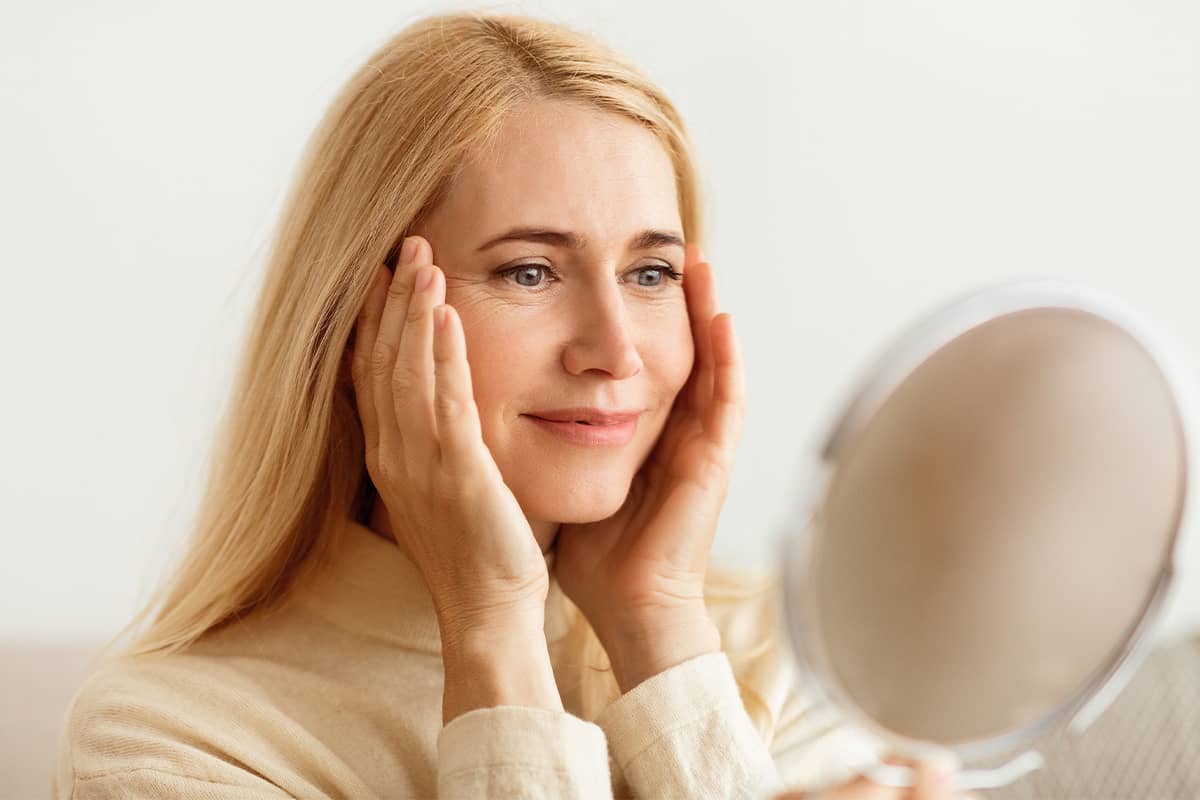
Facial aging can be subtle at first, which is why many patients find themselves unsure whether they need a surgical facelift or a non-surgical option such as laser skin tightening. Understanding the difference between facelift vs skin tightening is often the first step toward choosing the right treatment. While no at-home evaluation can replace a professional consultation, a brief mirror-based self-check can help clarify whether your concerns are related to skin condition alone or deeper changes in facial structure.
At Schrader Plastic Surgery, facial rejuvenation is approached with precision and personalization. By understanding how different procedures address facial aging, patients can feel more confident and prepared when discussing treatment options with a plastic surgeon.
Quick Insights: What You’ll Learn in a Few Minutes
- How a surgical facelift differs from laser skin tightening.
- Which facial changes suggest mild skin laxity versus structural sagging.
- Why age and skin condition matter more than a specific number.
- When non-surgical treatments may be effective.
- When surgery becomes the gold standard for lasting results.
What a Facelift Addresses vs. What Skin Tightening Treats
A traditional facelift is designed to reposition deeper facial tissues, including the skin and muscles of the lower face and neck. Facelift surgery addresses moderate to severe sagging, excess skin, and changes in facial contours that occur as facial tissues descend over time. This surgical procedure can restore definition to the jawline, cheeks, and neck while creating a natural lift.
Skin tightening, by contrast, focuses on improving skin condition. These treatments often use energy-based technology to stimulate collagen production, helping improve texture, tone, and mild skin laxity. Skin treatments do not reposition facial tissues and are best suited for patients with early signs of aging rather than severe sagging.
Who This Quick Self-Assessment Is For
This self-check is most useful for patients who are noticing changes in their appearance but are unsure whether surgical or non-surgical treatments are appropriate. It can help identify whether concerns are primarily related to wrinkles and skin quality or deeper structural changes that may require surgery.
This approach is not intended to diagnose or replace professional evaluation. Instead, it serves as a starting point for understanding facial aging and preparing for a consultation.
How Do I Know If I Need a Facelift or Skin Tightening?
Advances in laser skin treatments and other non-surgical treatments have expanded options for facial rejuvenation, but they have also created confusion. Many patients use terms like “loose skin” to describe different issues, including skin laxity, volume loss, or sagging facial tissues.
Age alone does not determine which procedures are appropriate. Genetics, skin thickness, facial structure, and lifestyle factors all influence how the face ages. Two patients of the same age may require very different treatments based on anatomy and skin condition.
Facelift vs. Skin Tightening: A Simple Breakdown
What a Surgical Facelift Treats
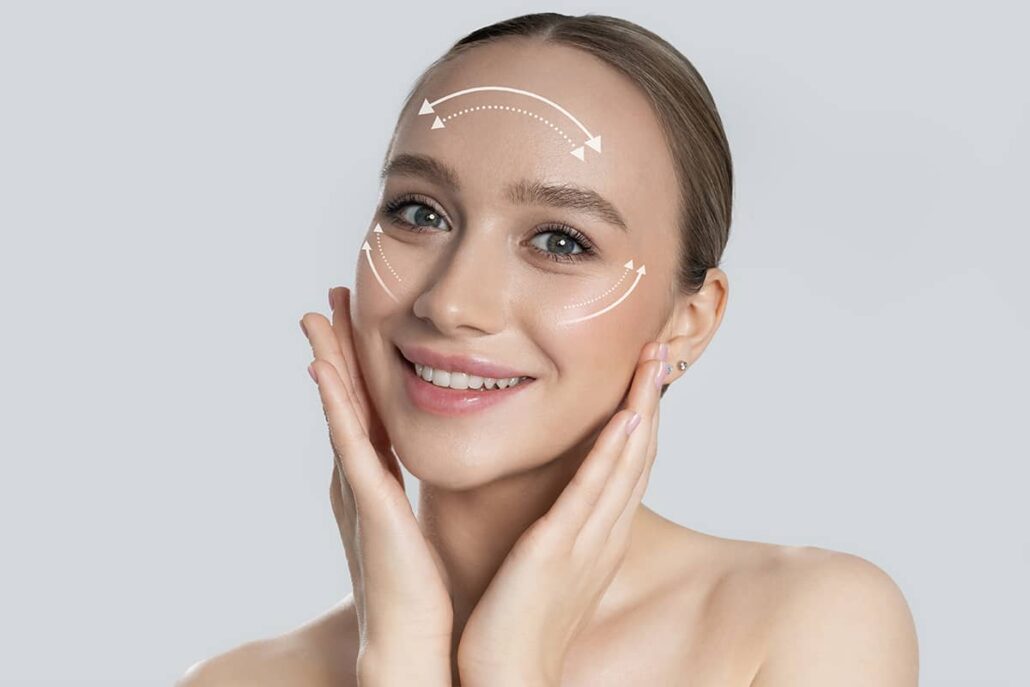
A surgical facelift targets deeper facial structures. By repositioning facial tissues and removing excess skin, a facelift can address severe sagging, jowls, and neck laxity. Modern facelift techniques allow for comprehensive rejuvenation while preserving natural facial expression.
What Skin Tightening Is Designed For
Skin tightening treatments often focus on collagen stimulation within the skin. These treatments can improve fine lines, mild skin laxity, and overall texture. They are often used as standalone treatments for early aging or as complementary procedures alongside surgical options.
Key Differences at a Glance
Facelift surgery addresses facial tissues and skin repositioning, while skin tightening treatments focus on skin quality alone. A facelift provides longer-lasting results and is considered the gold standard for advanced facial aging, while non-surgical treatments offer gradual improvement with minimal downtime.

Trust your face to a specialist
My Goal is to create Harmony, Balance & true Beauty
The 5-Minute Self-Test: Step-by-Step Mirror Observations
This brief self-assessment uses simple mirror-based observations to help clarify whether facial aging is primarily related to skin condition or deeper changes in facial tissues. It does not replace professional evaluation, but it can help patients better understand what types of treatments may be discussed during a consultation.
Several of the following steps build on the same principle: comparing how the skin responds when lifted or smoothed versus how the underlying facial tissues behave. This distinction is central to understanding the difference between skin tightening and surgical options.
Step 1: The Mirror Lift at the Temples
Stand in front of a mirror with your face fully relaxed. Place your fingertips at the temples and gently lift the skin upward and slightly back.
Observe whether this movement temporarily improves:
- Jawline definition
- Cheek position
- Lower face sagging
If lifting from the temples creates a noticeable improvement, this suggests that deeper facial tissues have descended. Skin tightening treatments do not address deeper facial tissues. In these cases, a surgical facelift or neck lift may be needed to restore facial structure.
Step 2: The Jawline Comparison Test
With your face relaxed, lightly lift the skin directly along the jawline without pulling from the temples. Then compare this result to the improvement seen in Step 1.
If lifting the jawline skin alone produces little change, but lifting from the temples restores contour, this points to structural sagging rather than skin looseness. Skin tightening treatments focus on skin quality and cannot redefine jawline contours once facial tissues have shifted.
Step 3: The Neck and Lower Face Assessment
Tilt your chin slightly upward and gently smooth the skin on the neck upward with your fingers. Pay attention to what changes and what does not.
If skin texture appears smoother but vertical banding, fullness, or sagging remains, this indicates muscle and tissue-related aging rather than surface skin issues. Skin treatments can improve texture but cannot correct deeper neck laxity, which often requires a neck lift or surgical facelift.
Step 4: The Smile and Relax Test
Smile naturally, then allow your face to fully relax. Notice whether sagging becomes more apparent at rest than during expression.
Facial muscles can temporarily mask sagging while smiling. If heaviness or descent is most visible when the face is relaxed, this suggests loss of structural support rather than skin texture alone. Surgical treatments are designed to address these resting changes, while skin treatments are limited to surface improvement.
Step 5: The Skin Quality and Elasticity Check
Gently pinch the skin on the cheek and release it, observing how quickly it returns to its original position.
- Skin that snaps back quickly often has good elasticity
- Skin that lingers or appears crepey may reflect collagen loss
When skin elasticity is the primary concern and facial contours remain intact, laser skin tightening or resurfacing treatments may be beneficial. When elasticity is preserved but sagging is present, structural aging is more likely the cause.
How to Use These Observations
Patients who see the most improvement when lifting from the temples, notice persistent sagging at rest, or observe changes that do not respond to skin smoothing may benefit from surgical options such as a traditional facelift, mini facelift, or neck lift.
Those whose concerns are primarily related to skin texture, fine lines, and mild skin laxity may be better candidates for skin resurfacing or other non-surgical treatments.
Many patients fall between these categories. In such cases, combining surgical and non-surgical procedures can produce the most balanced and natural-looking facial rejuvenation.
Facelift before & after photos
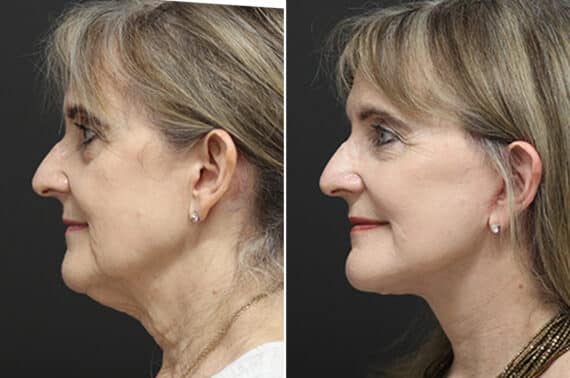
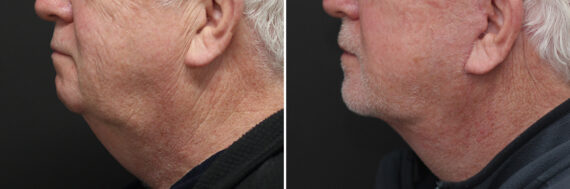
* All patients are unique and individual results may vary.
Age vs. Anatomy: Why the Mirror Matters More Than the Number
Facial aging varies widely. Some patients in their forties develop significant skin laxity, while others maintain strong facial support well into their sixties. Factors such as bone structure, fat distribution, and genetics play a major role.
Understanding how your face is aging helps guide treatment selection far more accurately than age alone.
When a Self-Check Is Not Enough
While this brief assessment can provide helpful insight, it cannot evaluate facial tissues beneath the surface or predict surgical outcomes. A consultation with a qualified plastic surgeon is essential for determining candidacy, reviewing surgical and non-surgical treatments, and developing a personalized plan.
At Schrader Plastic Surgery, facial rejuvenation is tailored to each patient’s anatomy, goals, and lifestyle. Professional evaluation ensures that procedures are selected safely and appropriately.
Choosing the Right Path for Facial Rejuvenation
Facelift surgery remains the gold standard for addressing advanced facial aging, while skin tightening treatments offer meaningful benefits for patients with mild skin laxity or early changes. Understanding the pros and cons of each approach allows patients to make informed decisions and pursue treatments that support natural, long-lasting results.
Schedule a Personalized Facial Rejuvenation Consultation
While at-home observations can offer helpful insight, choosing between facelift surgery and skin tightening requires a professional evaluation. A consultation allows a plastic surgeon to assess your facial tissues, skin condition, and overall anatomy to determine which treatments, or combination of procedures, will provide the most natural and effective results.
Dr. Nicole Schrader offers personalized facial rejuvenation consultations for patients throughout New Jersey. During your visit, treatment options are discussed thoughtfully, with careful attention to facial balance, recovery considerations, and long-term outcomes. Scheduling a consultation is the best way to move from questions to a clear, confident plan tailored to your face.