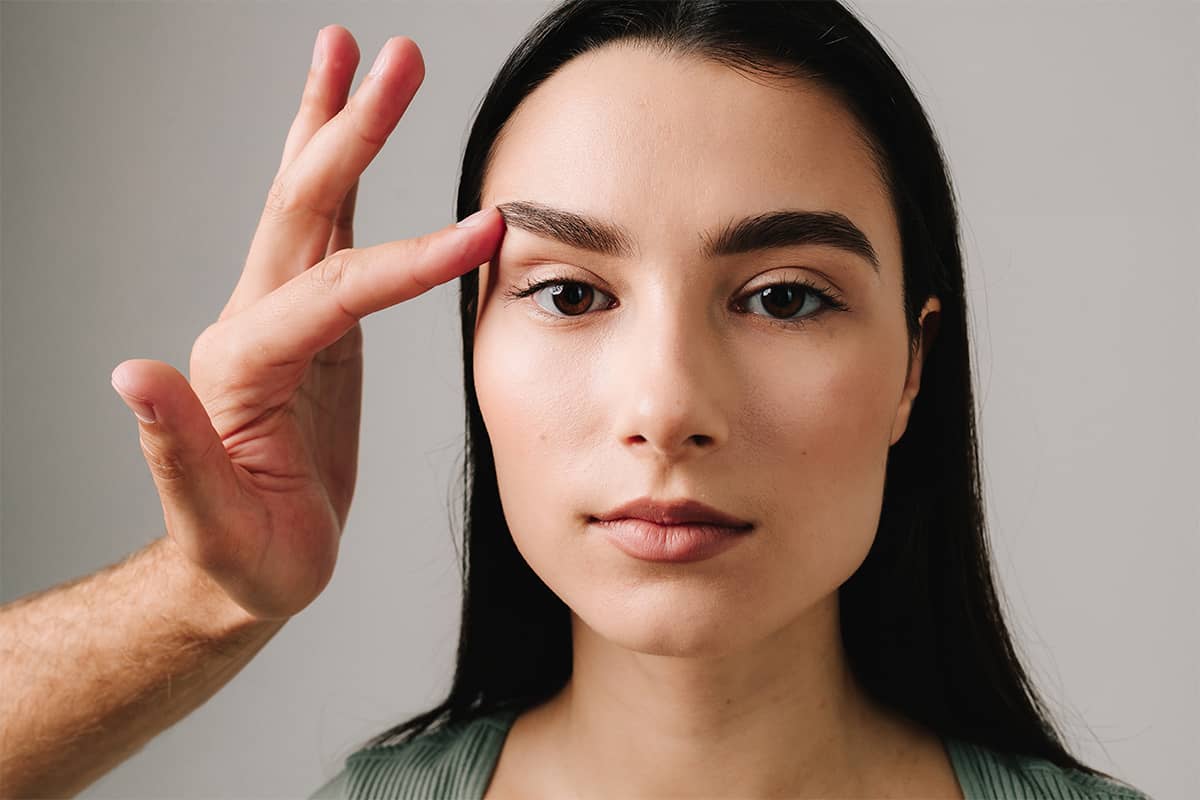
Drooping or heavy upper eyelids are often thought of as a cosmetic concern, but for many patients, changes in the upper eyelid can affect more than appearance alone. When eyelid skin begins to sag or the eyelids sit lower than they once did, it can interfere with how the eyes function day to day. Some people notice they need to lift their brows to see more clearly, while others feel their field of vision has gradually narrowed.
Eyelid surgery, also known as blepharoplasty, can be performed for cosmetic reasons, functional reasons, or a combination of both. Understanding the difference between these approaches helps patients make informed decisions and recognize when an eyelid lift may support both vision and aesthetics.
Functional vs. Cosmetic Eyelid Surgery: Key Distinctions
- Some upper eyelid concerns affect vision as well as appearance
- Functional blepharoplasty focuses on improving visual obstruction
- Cosmetic blepharoplasty focuses on eyelid aesthetics and balance
- Upper eyelid anatomy determines which surgical techniques are appropriate
- A consultation with an experienced plastic surgeon is essential for proper evaluation
How the Upper Eyelid Changes Over Time
The upper eyelid is one of the most delicate areas of the face. Skin in this region is thin, flexible, and constantly in motion. Over time, natural aging, genetics, and skin changes can alter how the eyelids rest and function.
As collagen and elastin decrease, eyelid skin may stretch and lose firmness. Muscle tone can weaken, and supporting structures may shift. These changes often happen gradually, making them easy to overlook until they begin to interfere with comfort, appearance, or vision.
Understanding what is happening beneath the surface is an important first step in determining whether eyelid surgery is primarily functional, cosmetic, or both.
What Is Upper Eyelid Blepharoplasty?
Upper blepharoplasty, or upper eyelid surgery, is a surgical procedure designed to address excess skin and tissue on the upper eyelids. The goal is to create a smoother, more open eyelid contour while maintaining natural eyelid shape and expression.
During eyelid surgery, excess eyelid skin may be carefully removed or repositioned. In some cases, underlying tissue is adjusted to support a more balanced eyelid position. The specific surgical technique depends on anatomy, symptoms, and goals.
Upper blepharoplasty can be performed for cosmetic enhancement, functional improvement, or a combination of the two.
When Eyelid Surgery Becomes a Functional Concern
Functional blepharoplasty focuses on how the eyelids affect vision and daily activities rather than appearance alone. When upper eyelid skin droops enough to partially block the field of view, it may interfere with reading, driving, or other routine tasks.
Patients sometimes notice that they unconsciously raise their eyebrows to see more clearly. Over time, this can contribute to brow fatigue or headaches. In these situations, eyelid surgery may help improve comfort and visual clarity.
Signs Upper Eyelids May Affect Vision
- Functional eyelid concerns often develop gradually. Some common signs include:
A heavy feeling in the upper eyelids - Difficulty seeing upward or outward
- Needing to tilt the head back to see clearly
- Eyelid skin resting on or near the eyelashes
- Brow strain from constantly lifting the eyelids
These symptoms may indicate that excess skin or eyelid position is affecting the visual field.
Understanding Ptosis and Ptosis Correction
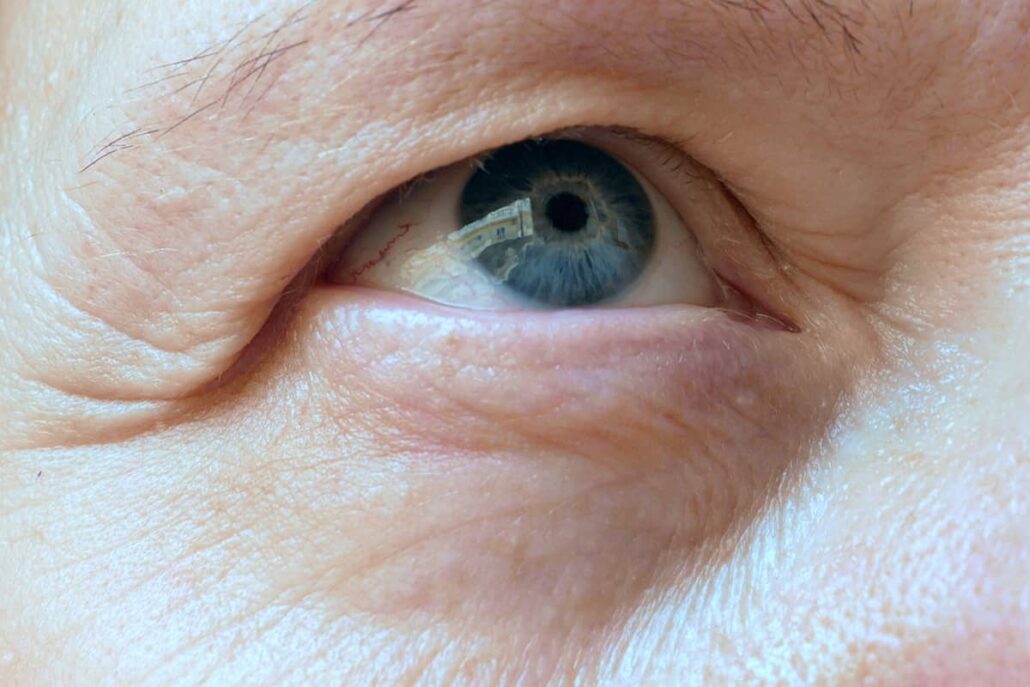
Ptosis refers to a condition in which the upper eyelid sits lower than normal, often due to weakness or dysfunction of the muscle responsible for lifting the eyelid. While ptosis may occur alongside excess eyelid skin, it is a distinct issue from skin laxity alone.
Ptosis correction focuses on improving eyelid position by addressing the muscle that elevates the upper eyelid. This differs from standard upper blepharoplasty, which primarily addresses excess eyelid skin. In some cases, both techniques may be performed together to support proper eyelid height and function.
An experienced plastic surgeon evaluates whether eyelid drooping is caused by skin laxity, muscle weakness, or a combination of factors before recommending treatment.
Cosmetic Blepharoplasty and Aesthetic Concerns
Cosmetic blepharoplasty is focused on improving the appearance of the eyelids rather than addressing vision problems. Many patients pursue eyelid surgery to achieve a more refreshed or youthful look, especially when the upper eyelids appear heavy or tired.
Cosmetic eyelid surgery may address:
- Excess upper eyelid skin
- Wrinkles or creases in the eyelid area
- Asymmetry between the eyes
- A tired or aged appearance
While cosmetic blepharoplasty does not aim to correct visual obstruction, it often creates the appearance of more open, alert eyes.

Trust your face to a specialist
My Goal is to create Harmony, Balance & true Beauty
Functional and Cosmetic Benefits Often Overlap
Although functional and cosmetic blepharoplasty are discussed separately, they frequently overlap in practice. Removing excess skin that interferes with vision can also improve the overall aesthetics of the eyes. Likewise, cosmetic improvements may lead to better eyelid comfort and ease of movement.
This overlap is why careful evaluation is essential. The goal is not simply to remove skin, but to support both function and appearance while preserving natural facial expression.
How a Plastic Surgeon Evaluates Upper Eyelid Concerns
A comprehensive consultation includes an assessment of eyelid skin, muscle strength, eyelid position, and how the eyelids interact with the brows and eyes. Dr. Schrader evaluates both how the eyelids look and how they function in everyday activities.
In some cases, patients may also be referred to an ophthalmologist for additional evaluation, particularly when formal vision testing or documentation is needed for insurance review. This collaborative approach helps ensure that all aspects of eye health and function are considered.
During the consultation, patients can expect a clear explanation of whether eyelid blepharoplasty, ptosis correction, or another procedure may be appropriate.
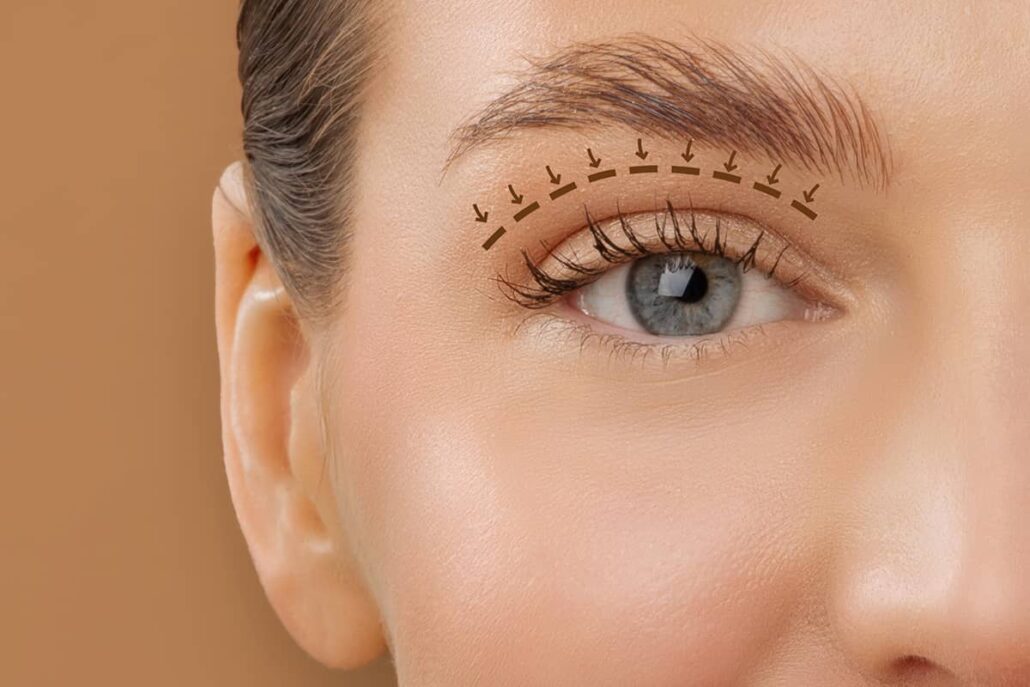
What the Blepharoplasty Procedure Involves
Blepharoplasty surgery is typically performed as an outpatient procedure. Incisions are carefully placed along the natural crease of the upper eyelid to help minimize visible scarring.
The procedure is customized to each patient’s anatomy and goals. Excess skin may be removed or repositioned, and underlying tissue adjusted as needed. Attention is given to maintaining natural eyelid contours and symmetry.
Recovery varies from patient to patient, but most individuals can return to normal activities gradually as healing progresses.
Blepharoplasty before & after photos
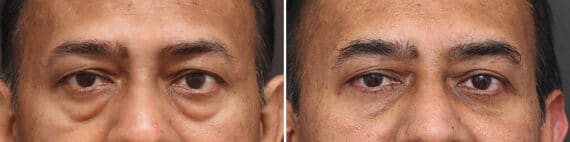
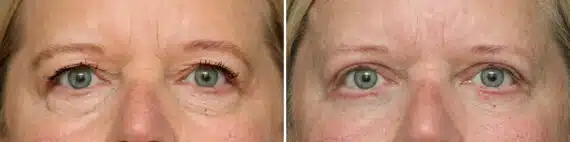
* All patients are unique and individual results may vary.
Recovery and Results After Upper Eyelid Surgery
After upper blepharoplasty, patients may experience temporary swelling or bruising around the eyes. These effects typically improve over time. Dr. Schrader provides detailed post-procedure guidance to support healing and comfort.
As swelling subsides, patients often notice that their eyes feel lighter and more open. In functional cases, improved visual clarity may become apparent as the eyelids heal and settle into their new position.
Results are designed to look natural and balanced with the rest of the face rather than overly tight or altered.
When Blepharoplasty May Not Be the Only Solution
Not all upper eyelid concerns are caused by eyelid skin alone. In some cases, brow position plays a role in how the eyelids appear. A low or descending brow can contribute to eyelid heaviness even when excess skin is minimal.
This is why a full facial assessment is important. In some situations, addressing brow position with a brow lift, or combining procedures, may provide better overall balance. Dr. Schrader discusses all appropriate options during consultation to ensure recommendations align with anatomy and goals.
Choosing the Right Approach for Your Eyes
Upper eyelid concerns are not one-size-fits-all. Some patients seek aesthetic refinement, while others are concerned about comfort or vision changes. Understanding the difference between functional and cosmetic eyelid surgery helps clarify what type of procedure may be appropriate.
At Schrader Plastic Surgery, Dr. Nicole Schrader offers personalized evaluation and treatment planning for patients considering eyelid surgery. Scheduling a consultation allows for a thoughtful discussion of symptoms, goals, and options so each patient can move forward with confidence.
Frequently Asked Questions About Functional and Cosmetic Blepharoplasty