


Quick Answer: Laser resurfacing costs can vary significantly depending on the type of laser, treatment area, treatment depth, and number of sessions needed. The American Society of Plastic Surgeons reports a national average physician fee of $1,829 for skin-resurfacing procedures, while one New Jersey provider lists CO₂ laser treatments costing up to $5,000 per treatment. These figures may not include anesthesia, medications, facility fees, or aftercare. You’ll receive your exact price during your consultation.
Everyone wants to look their best, but laser resurfacing can be an expensive undertaking. With so many different treatments available, it can be hard to know what to expect when it comes to the cost of laser resurfacing. Whether you’re looking for a simple touch-up or more extensive treatment, this article will help guide you through understanding what you should expect to pay for your laser resurfacing procedure.
Laser Resurfacing Key Takeaways
- You’ll receive an exact price during your consultation after your skin concerns, goals, and recommended treatment plan are evaluated.
- Laser resurfacing in New Jersey may cost between $1,829 and $5,000 per treatment, depending on the procedure and treatment plan.
- The final cost can vary based on the type of laser, treatment depth, size of the treatment area, and the provider’s experience.
- Some patients may need more than one treatment session, which can increase the overall cost.
- Ablative, non-ablative, and fractional lasers have different benefits, recovery times, and pricing considerations.
How Laser Resurfacing Costs Vary by Treatment Type
| Treatment category | Usually used for | Typical sessions | Typical downtime | Why the cost may differ | Common additional costs |
|---|---|---|---|---|---|
| Light non-ablative treatment | Mild sun damage, uneven tone, fine lines, and early texture concerns | Often completed as a series | Usually minimal downtime, with temporary redness or swelling | The cost per session may be lower because the treatment is less intensive. However, the total cost can increase if several sessions or ongoing maintenance treatments are recommended. | Numbing cream, skincare products, sunscreen, and maintenance sessions |
| Fractional resurfacing | Acne scars, sun damage, uneven texture, pigmentation, and wrinkles | Often requires more than one session, depending on treatment depth | From a few days to a week or longer | The cost depends on whether the fractional laser is ablative or non-ablative, the size of the treatment area, the treatment strength, and the number of sessions needed. | Topical numbing, prescriptions, post-treatment skincare, and follow-up visits |
| Deeper ablative resurfacing | Deeper wrinkles, noticeable scars, advanced sun damage, and significant texture concerns | Often performed as one more intensive treatment | Initial healing may take one to two weeks, with redness lasting longer | These treatments may cost more because they are more intensive and may require anesthesia, additional clinical support, longer aftercare, and more follow-up. | Anesthesia or sedation, facility fees, prescriptions, wound-care products, and follow-up appointments |
| Small treatment area | Individual scars or focused areas around the eyes or mouth | Depends on the laser and concern | From minimal downtime to several weeks | Treating a smaller area may cost less than full-face resurfacing, but the final price still depends on the laser used, treatment depth, and whether multiple sessions are needed. | Numbing, prescriptions, aftercare products, and possible additional sessions |
What is Laser Skin Resurfacing?
Laser skin resurfacing is a cosmetic medical procedure that uses controlled laser energy to improve concerns such as wrinkles, acne scars, uneven texture, age spots, and sun damage.
Depending on the technology used, the laser may remove damaged outer layers of skin or deliver controlled energy beneath the surface. This can stimulate collagen production and reveal smoother, younger-looking skin.
Understanding the Laser Resurfacing Procedure
Laser Energy and Skin Layers
Focused laser energy is sent to the areas of skin that need it during the laser resurfacing process. Different types of treatments can go deeper into the skin. Some only treat the top layer (ablative treatment), while others go deeper (fractional laser treatments). With this flexible method, the dermatologist can make the treatment fit the patient’s skin problem and state.
The Healing Process
Following the laser treatment, the skin heals, with the injured outer layer peeling off to reveal new, healthier skin. Collagen formation is boosted during this healing period, which contributes to the skin’s improved texture and look. The recuperation period varies according to the strength of the therapy and the individual’s skin type.
Determining the Laser Skin Resurfacing Cost
There are many things that can cause the price of laser skin treatment to change a lot. A single treatment session usually costs between $1829 and $5,000. But it’s important to keep in mind that you might need more than one lesson to get the results you want.
Factors Influencing the Cost
The price of laser skin resurfacing depends on several factors:
- The severity of the skin concern: Deep wrinkles, advanced sun damage, or significant acne scarring may require a more intensive treatment.
- The type of laser used: Different lasers have different capabilities, treatment depths, recovery periods, and costs.
- The size of the treatment area: Treating the full face or combining the face and neck will generally cost more than treating one small area.
- The location of the clinic: Regional costs and local demand for cosmetic procedures may affect pricing.
- The provider’s experience: Experienced facial plastic surgeons and dermatologists may charge more for their expertise.
- The number of sessions: Lighter treatments may cost less per session but require several appointments.
- Additional care: Anesthesia, prescriptions, facility fees, aftercare products, and follow-up visits may affect the total cost.

Trust your face to a specialist
My Goal is to create Harmony, Balance & true Beauty
How the Type of Laser Affects the Price
The type of laser recommended for you can have a major impact on the cost of treatment. More intensive treatments often cost more per session, while lighter treatments may be less expensive but require several appointments.
Ablative Lasers
Ablative lasers remove damaged outer layers of skin and are often used for deeper wrinkles, significant sun damage, and more noticeable scarring.
Because these treatments are more intensive, they may cost more per session. They may also involve additional expenses for anesthesia, medication, aftercare products, or follow-up visits.
However, some patients may only need one ablative treatment, which can make the total cost easier to estimate.
Non-Ablative Lasers
Non-ablative lasers work beneath the skin’s surface without removing the outer layer. They are generally used for milder concerns and usually involve less downtime.
Although the cost per session may be lower than a deeper ablative treatment, patients often need a series of treatments.
When comparing prices, consider the total cost of the recommended treatment plan rather than focusing only on the price of one appointment.
Fractional Lasers
Fractional lasers treat microscopic sections of skin while leaving surrounding tissue untouched. This approach may be used for wrinkles, acne scars, uneven texture, pigmentation, and sun damage.
The price varies depending on whether the fractional treatment is ablative or non-ablative, the strength of the laser, the size of the treatment area, and the number of sessions needed.
A lighter fractional treatment may cost less per visit, while deeper fractional resurfacing may have a higher price and a longer recovery period.
How Your Skin Concern Can Affect Treatment Cost
The concern you want to treat also plays a role in the final price. Deeper or more widespread skin damage may require stronger laser settings, a larger treatment area, or multiple sessions.
Acne Scars
- The cost of treating acne scars depends on the depth, type, and number of scars.
- Mild texture concerns may respond to a lighter series of treatments, while deeper scars may require fractional or ablative resurfacing.
- Patients with significant scarring may need several sessions or a combination of treatments, which can increase the overall cost.
Age Spots and Sun Damage
- Small, isolated areas of sun damage may cost less to treat than widespread discoloration across the full face, neck, or chest.
- The final price will depend on the size of the treatment area and whether one session or a treatment series is recommended.
- Laser resurfacing may reduce the appearance of age spots and sun damage, although individual results vary.
Uneven Skin Tone and Texture
- Mild unevenness may be treated with a lighter non-ablative laser, while more noticeable texture concerns may require fractional resurfacing or several sessions.
- Because lighter treatments are often completed as a series, patients should ask about the total estimated cost rather than focusing only on the price of one treatment.
Skin Tightening and Collagen Production
- Laser treatments that stimulate collagen may improve firmness and reduce the appearance of fine lines over time.
- The cost depends on the treatment depth, the area being treated, and the number of sessions recommended.
- Treating the full face and neck will generally cost more than treating a smaller area. During your consultation, you will receive a personalized treatment plan and an exact price based on your goals.
Laser Resurfacing before & after photos
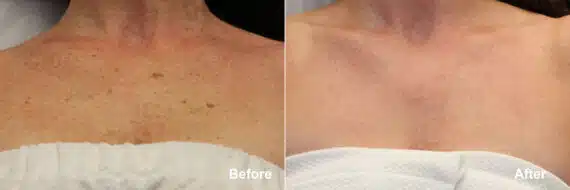
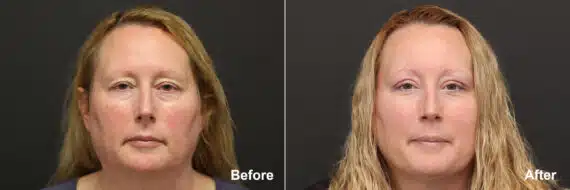
* All patients are unique and individual results may vary.
Financing Options for Laser Skin Resurfacing
If the cost of laser skin resurfacing feels difficult to manage, financing options may help make treatment more affordable.
Some practices offer payment plans that allow patients to spread the cost over several months. Third-party healthcare financing may also be available, subject to approval and applicable terms.
Laser resurfacing performed for cosmetic reasons is generally not covered by health insurance. Patients should confirm any possible coverage directly with their insurer.
Recovery and Aftercare
Following laser resurfacing, it is important to follow the aftercare instructions provided by your surgeon or treatment provider.
Aftercare may include:
- Avoiding excessive sun exposure.
- Keeping the treated area clean.
- Applying recommended moisturizers or ointments.
- Using sunscreen regularly.
- Taking prescribed medications as directed.
- Attending scheduled follow-up visits.
Recovery time depends on the type of laser used, the treatment depth, the size of the treatment area, and the patient’s individual healing response.
Conclusion
Laser skin resurfacing can improve concerns such as acne scars, age spots, wrinkles, uneven texture, and sun damage.
Understanding the factors that affect the cost—including the laser technology, treatment area, treatment depth, number of sessions, and additional care—can help you make a more informed decision.
During your consultation, you will receive a personalized treatment recommendation and an exact price based on your skin concerns and goals.
Frequently Asked Questions (FAQs)
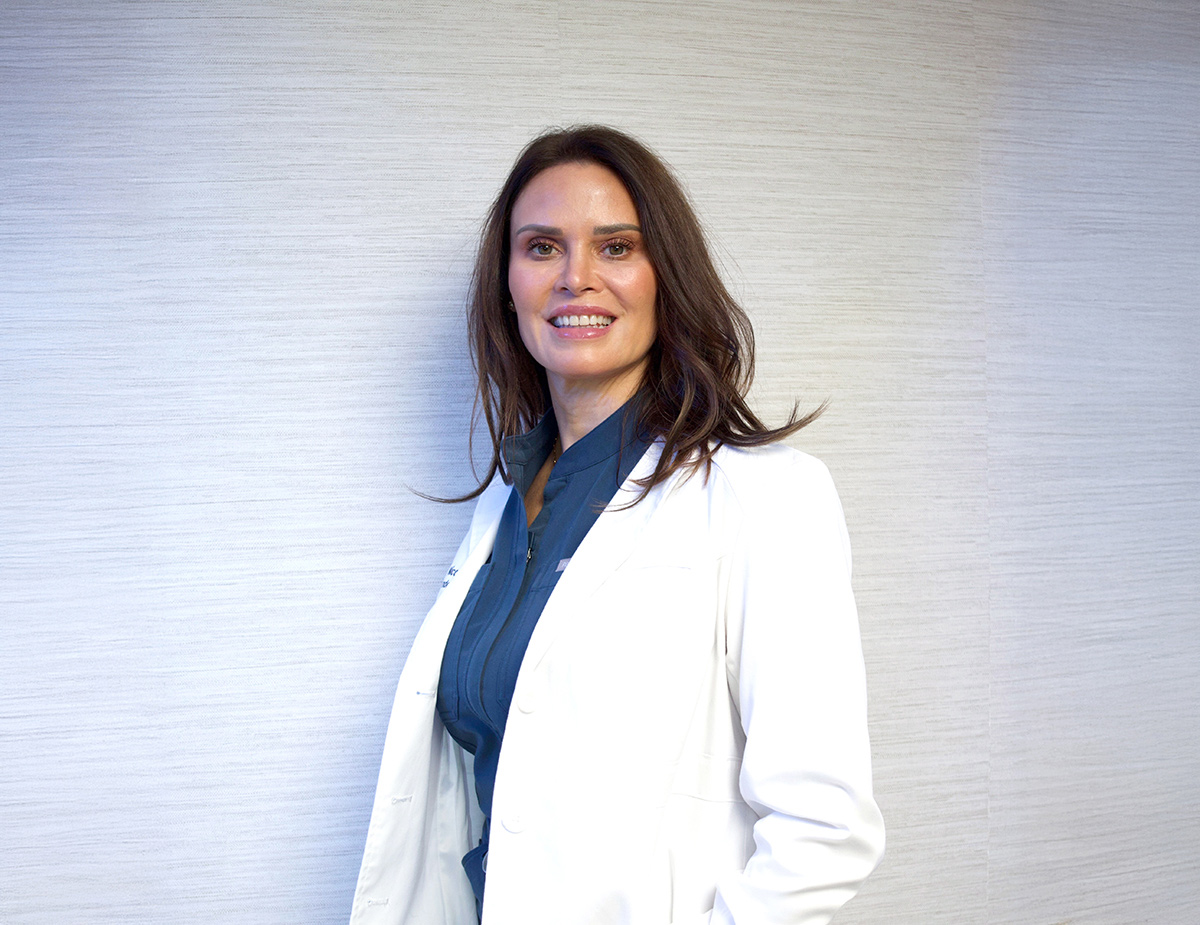
ABOUT THE AUTHOR
Nicole Schrader, MD, FACS
Dr. Nicole Schrader is a facial plastic and reconstructive surgeon with advanced specialty training in procedures of the face, head and neck. Her background combines surgical expertise with an in-depth understanding of facial anatomy, aesthetics and reconstructive techniques.
Dr. Schrader’s credentials include:
- Board-Certified in Otolaryngology and Facial Plastic & Reconstructive Surgery
- Residency — Otolaryngology–Head & Neck Surgery, Temple University
- Fellowship Training — Facial Plastic & Reconstructive Surgery
- FACS — Fellow of the American College of Surgeons
- Medical Research — Contributor to peer-reviewed research and professional medical presentations
Expertise Areas:
Facial Plastic Surgery, Rhinoplasty, Facial Rejuvenation, Eyelid Surgery, Facelift Surgery, Neck Rejuvenation, Reconstructive Facial Surgery and Non-Surgical Facial Treatments.