


If you are considering fractional CO2 laser resurfacing, the treatment itself is only half the story. What happens over the following days and weeks matters just as much, and knowing what to expect makes the whole process far less stressful. In this post, I will walk you through the fractional CO2 laser recovery timeline, day by day and week by week.
I am Dr. Nicole Schrader, a facial plastic surgeon in Princeton, New Jersey. I hold board certifications from the American Board of Facial Plastic and Reconstructive Surgery and the American Board of Otolaryngology. During consultations for laser recovery at my practice Schrader Plastic Surgery, patients often ask about the recovery, so I want to answer the most common questions here in plain terms.
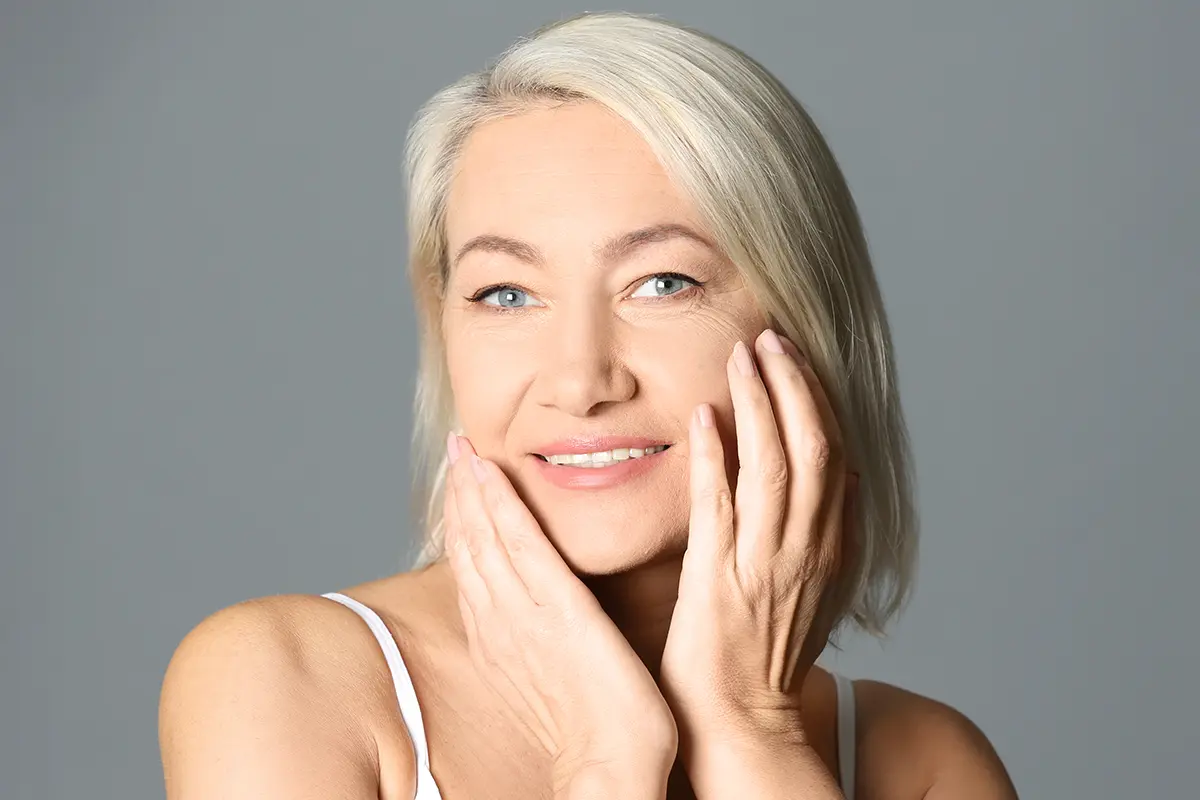
Fractional CO2 Laser Recovery at a Glance
- Fractional CO2 laser recovery follows a predictable pattern of redness, swelling, and peeling over the first week.
- Most patients feel comfortable in public about seven days after a moderate treatment.
- Residual pinkness can last a few more weeks and is easy to cover with makeup.
- Sun protection and gentle skin care are the two habits that protect your result.
- Collagen keeps building for three to six months, so results improve long after the peeling ends.
What is Fractional CO2 Laser Resurfacing?
Fractional CO2 is an ablative laser treatment. The laser removes damaged skin in microscopic columns rather than treating the entire surface at once, and the healthy skin left between those columns acts as a healing reservoir. That is what makes fractional CO2 laser recovery shorter and more predictable than recovery from the older full-field CO2 lasers.
The treatment addresses deeper wrinkles, sun damage, acne scars, and uneven texture, usually in a single session. Because it works at a deeper level than gentler lasers, the results are stronger, and the trade-off is a real recovery period.
Fractional CO2 Laser Recovery Timeline by Day
Every patient heals a little differently, and deeper or denser treatments take longer than lighter ones. The timeline below reflects what most patients can expect after a moderate fractional CO2 treatment.
Day 1: Heat, Redness, and Swelling
For the first day, your skin feels warm and tight, much like a strong sunburn. It looks red, and some swelling is normal, especially around the eyes. A small amount of oozing or weeping can happen as the treated columns begin to heal. Your job on day one is simple: keep the skin coated in the recommended healing ointment, sleep with your head slightly elevated, and rest.
Days 2 to 3: Redness and Sensitivity Peak
Redness and swelling usually peak on the second or third day. The skin may feel itchy or sting slightly, and it can continue to weep a little. This is the stretch most patients find hardest, not because of pain but because of how the skin looks. Keep applying ointment frequently, cleanse gently as directed, and resist the urge to touch or inspect the skin too much.
Days 4 to 7: Peeling and Flaking
Around day four or five, the old surface starts to peel and flake as new skin emerges underneath. This is a good sign, not a setback. Do not pick or pull at peeling skin, because that is how pigment problems and small scars happen. Let it release on its own. By the end of the first week, most of the peeling is finished and the new skin underneath looks fresh, if still pink.
Week 2: Skin Starts to Look Calmer
By the second week, most patients are back to work and normal routines. The skin is intact but pink, similar to the flush you might have after a day outdoors. Once peeling is complete, you can usually cover the pinkness with makeup. This is also when daily broad-spectrum sunscreen becomes non-negotiable, because new skin is especially vulnerable to sun damage.
Weeks 3 to 6: Redness Fades and Texture Improves
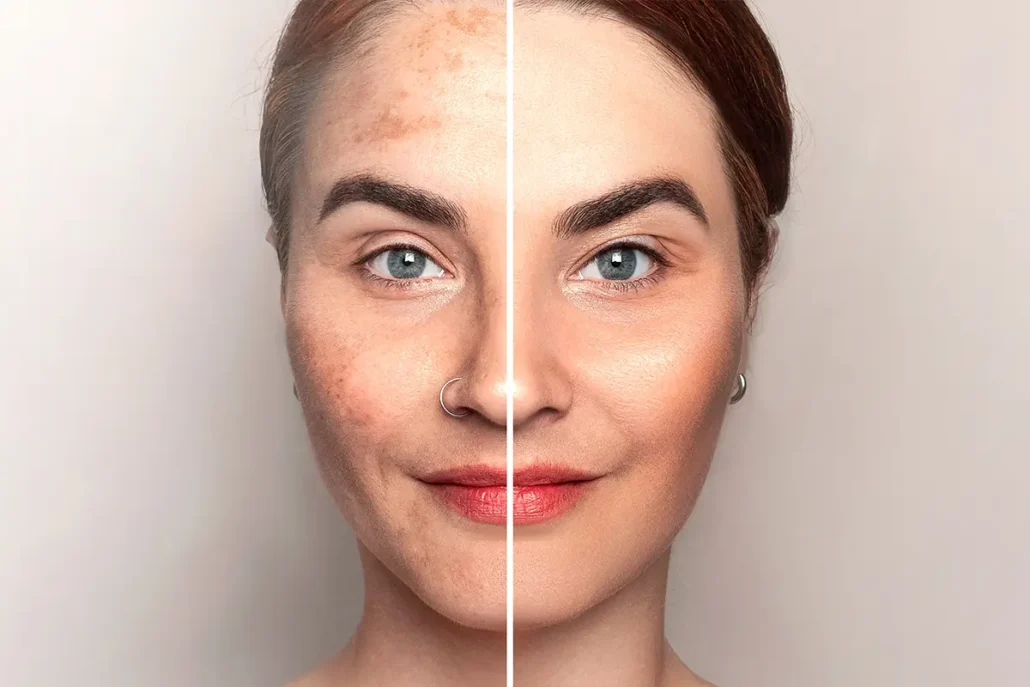
Over the next month, the pink tone fades steadily and you start to see the payoff. Skin feels smoother, pores look tighter, and pigmentation begins to even out. Many patients find this is when compliments start, often from people who have no idea they had anything done.
Months 2 to 6: Collagen Remodeling Continues
The laser triggers collagen and elastin production that continues long after the surface has healed. Between the second and sixth month, lines keep softening and texture keeps refining. My advice is not to judge the final result before the three-month mark, because the skin is still improving.
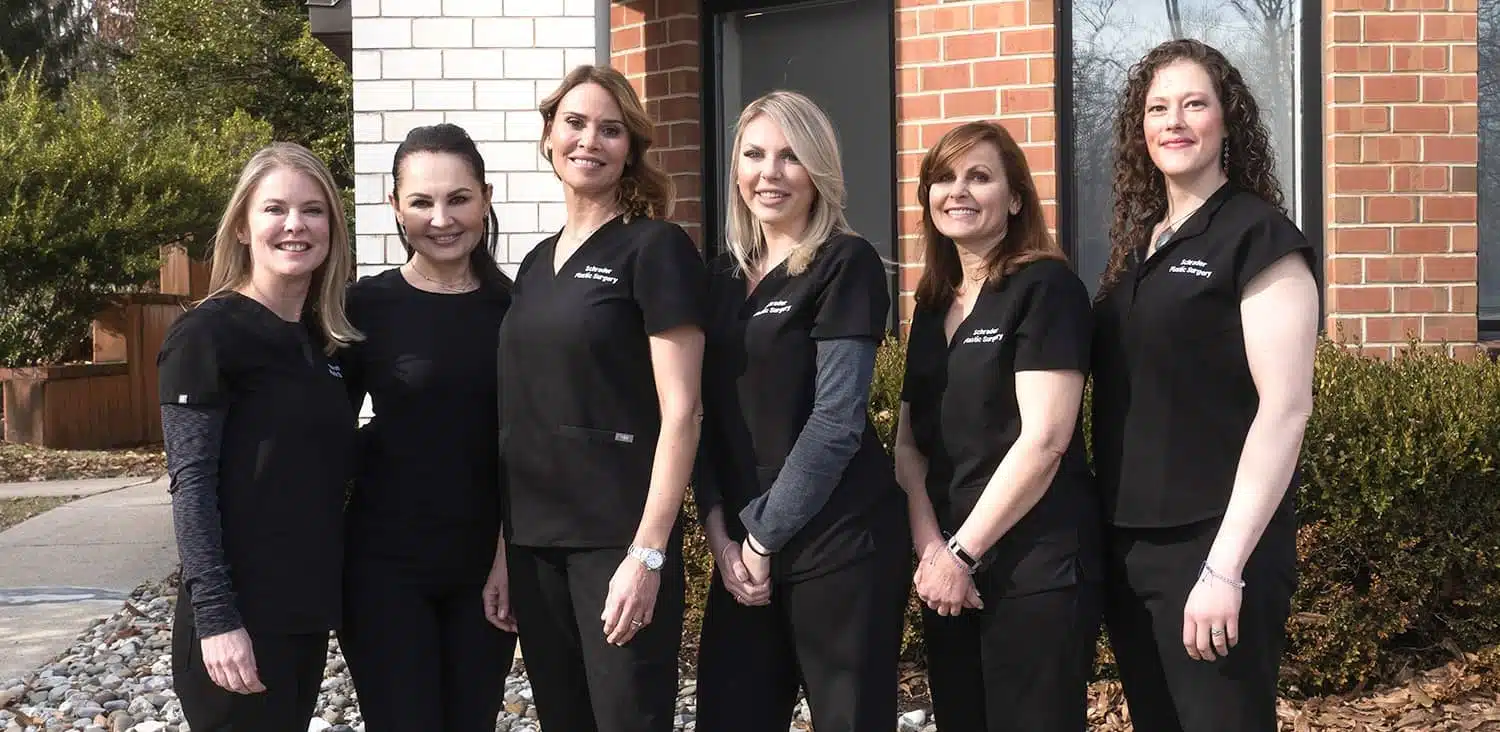

Trust your face to a specialist
My Goal is to create Harmony, Balance & true Beauty
How Much Downtime Should You Expect?

For planning purposes, a good rule of thumb is about a week of social downtime after a moderate treatment. Lighter fractional settings may need only three to five days, while deeper resurfacing for acne scars or etched lines can take seven to ten days before makeup covers everything smoothly.
Fractional CO2 laser recovery does not mean bed rest. You can move around the house, work remotely if your job allows, and handle quiet errands within a few days. What it does mean is a week when your skin looks like it is healing, because it is.
What Should You Avoid During Recovery?
A short list of activities to avoid protects your investment during fractional CO2 laser recovery:
- Direct sun exposure, which can cause pigmentation problems in healing skin
- Retinoids, exfoliants, and acids until I clear you to restart them
- Picking or peeling flaking skin
- Strenuous exercise, saunas, and hot showers during the first several days
- Swimming pools and hot tubs until the skin surface is fully closed
None of these restrictions lasts long, but each one matters. As a general guide, the American Society of Plastic Surgeons advises waiting about six weeks before restarting retinoids and glycolic acid products. Patients who follow these guidelines tend to heal faster and get cleaner results.
When Can You Wear Makeup Again?
Once the skin has finished peeling and the surface is intact, makeup is usually fine. For a moderate treatment, that lands around day seven to ten. I suggest starting with a gentle mineral makeup, since heavy formulas and old brushes can irritate new skin. If any area still looks raw or is weeping, hold off on that spot and check with the office first. Covering residual pinkness with makeup is one of the easiest parts of fractional CO2 laser recovery, and most patients feel completely presentable by the second week.
When Can You Exercise After Fractional CO2 Laser?
Light walking is fine within a day or two. Anything that produces heavy sweating, raises your body temperature significantly, or puts your face in a hot environment should wait about a week. Sweat can sting healing skin and raise the risk of irritation and breakouts, and gyms are not the cleanest places for an open skin surface. A follow-up visit is a good time to confirm you are ready to get back to your full routine.
What Are Signs You Should Call Your Provider?
Normal fractional CO2 laser recovery includes redness, swelling, tightness, light oozing, and peeling. What is not normal is:
- Yellow or green drainage
- Redness that spreads or intensifies after the first few days
- Pain that increases rather than fades
- Fever
- A cold sore outbreak
None of these means something has necessarily gone wrong, but each one deserves a phone call the same day. Infections and cold sore flares are uncommon and very treatable when caught early, so please never wait it out at home.
Does Skin Tone Affect Fractional CO2 Laser Recovery?
Yes, and it is an important conversation to have before any treatment. Deeper skin tones carry a higher risk of pigment changes after ablative laser treatment, both darkening and lightening. Newer settings and pretreatment protocols have widened the range of skin types that can be treated safely, but candidacy still depends on a careful evaluation of your skin tone, your pigmentation history, and your goals.
In some cases, a different treatment that delivers improvement with less pigment risk may be the better choice. Getting this decision right before treatment is far better than managing a pigment problem afterward.
Is Fractional CO2 Laser Recovery Worth It?
Patients keep answering this question with their choices. According to the American Society of Plastic Surgeons 2024 Procedural Statistics Report, more than 3.7 million skin resurfacing procedures were performed in the United States in 2024, a 6 percent increase over the prior year. People are clearly willing to trade a week of downtime for skin that looks meaningfully better.
The patients who do best are usually the ones who plan for the recovery rather than fight it. They schedule the treatment during a quieter stretch, follow the aftercare, and then enjoy results that a series of gentle treatments simply cannot match. One week of peeling in exchange for improvement that develops over months and lasts for years is a trade many patients consider well worth it.
Schedule a Laser Consultation in New Jersey
If you are thinking about fractional CO2 laser resurfacing, the best starting point is a consultation where we can look at your skin together and talk honestly about the recovery. A consultation is the right place to find out whether fractional CO2 is a good fit for you or whether a different laser or combination of treatments would suit your goals better. Call Schrader Plastic Surgery in Princeton at 609-279-0009 to schedule your laser consultation.
Frequently Asked Questions About CO2 Laser Recovery
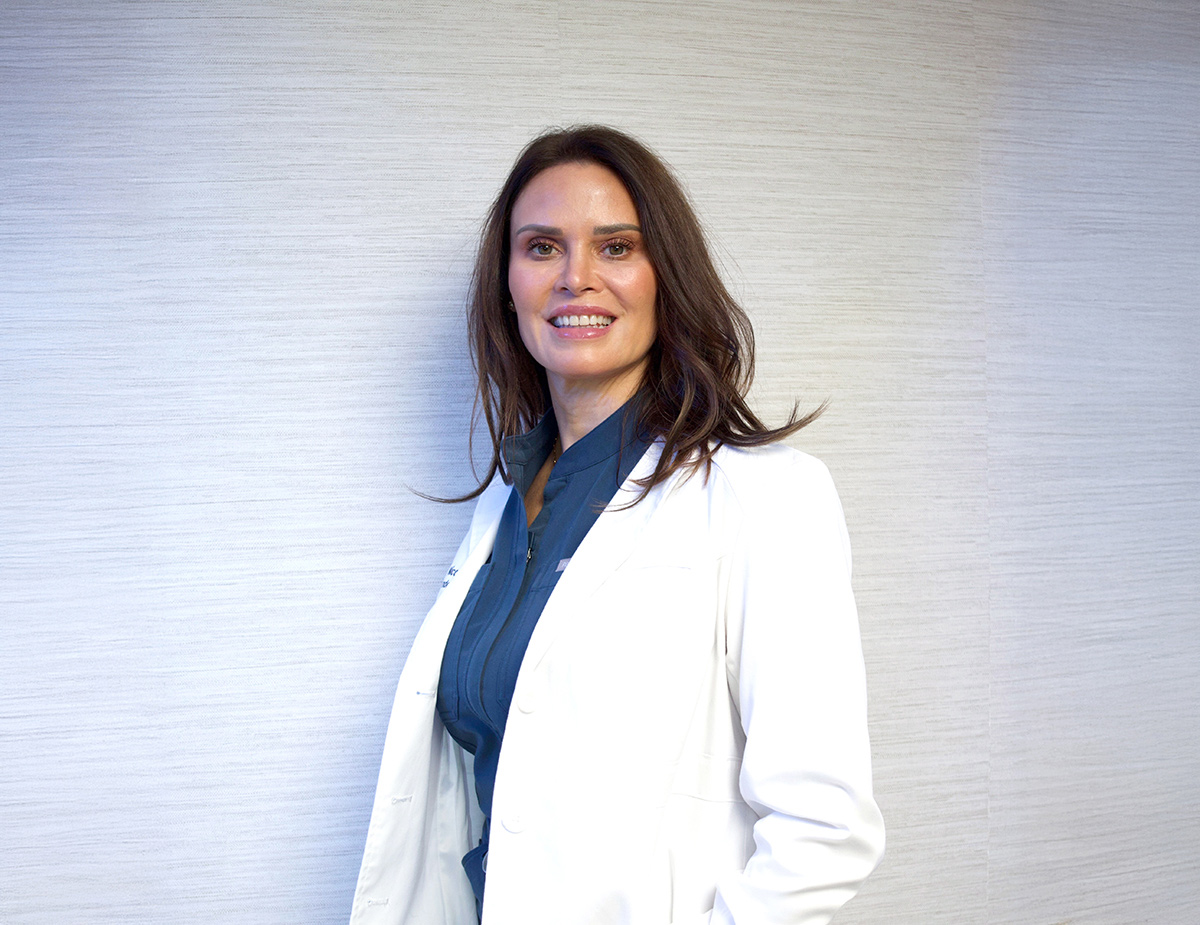
ABOUT THE AUTHOR
Nicole Schrader, MD, FACS
Dr. Nicole Schrader is a facial plastic and reconstructive surgeon with advanced specialty training in procedures of the face, head and neck. Her background combines surgical expertise with an in-depth understanding of facial anatomy, aesthetics and reconstructive techniques.
Dr. Schrader’s credentials include:
- Board-Certified in Otolaryngology and Facial Plastic & Reconstructive Surgery
- Residency — Otolaryngology–Head & Neck Surgery, Temple University
- Fellowship Training — Facial Plastic & Reconstructive Surgery
- FACS — Fellow of the American College of Surgeons
- Medical Research — Contributor to peer-reviewed research and professional medical presentations
Expertise Areas:
Facial Plastic Surgery, Rhinoplasty, Facial Rejuvenation, Eyelid Surgery, Facelift Surgery, Neck Rejuvenation, Reconstructive Facial Surgery and Non-Surgical Facial Treatments.