


Fractional CO2 Laser in New Jersey





What Fractional CO2 Laser Treatment Does
Fractional CO2 is an ablative laser, which means it removes thin layers of skin in a precise pattern. The “fractional” part is what makes it different from older full-field CO2 lasers. Instead of treating the entire surface at once, the laser delivers energy in tiny columns, leaving healthy skin between each treated zone.
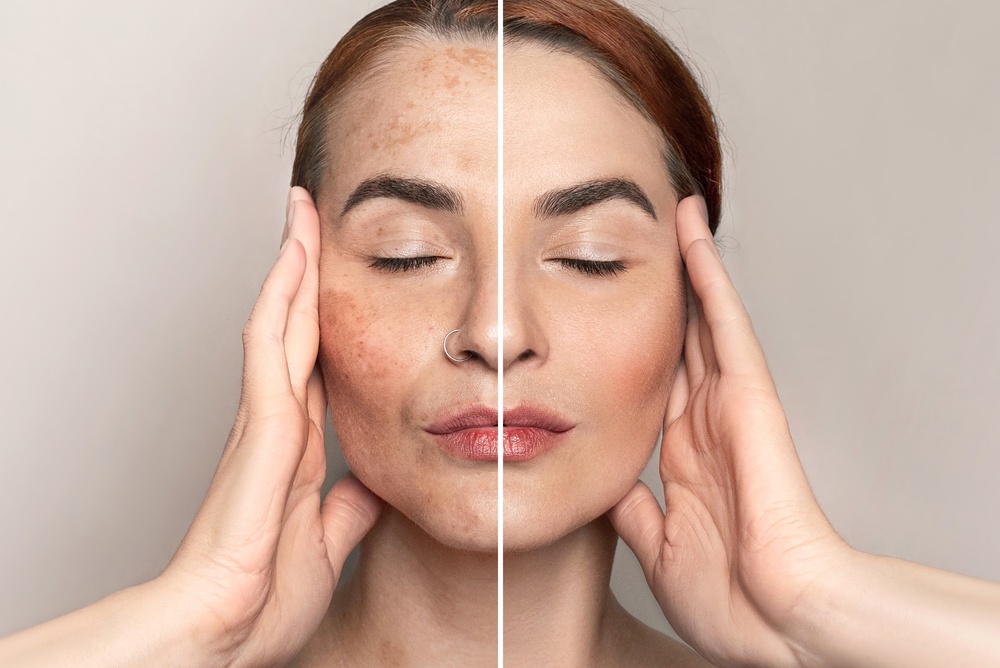
That untouched skin acts as a healing reservoir, which speeds recovery and lowers the risk of complications while still producing a strong resurfacing effect.
The treatment addresses several concerns in a single session:
- Deeper wrinkles and fine lines, including around the eyes and mouth
- Sun damage and pigmentation from years of UV exposure
- Acne scars and other textural irregularities
- Uneven tone and overall dullness
How Fractional CO2 Compares to Clear + Brilliant
Clear + Brilliant and fractional CO2 are both fractional lasers, but they sit at different ends of the spectrum. Clear + Brilliant is non-ablative and designed for maintenance and early signs of aging. Fractional CO2 is ablative and designed for patients with more significant concerns who want a single, stronger treatment instead of a series of gentle ones. Patients who have been keeping their skin healthy with lighter treatments sometimes choose fractional CO2 when they are ready for a deeper reset.
Who Is a Good Candidate?
- Have moderate to deep wrinkles, especially around the eyes, mouth, or forehead
- Have noticeable sun damage, age spots, or pigmentation
- Have acne scars or other textural concerns
- Want a single treatment with strong results rather than a series of lighter ones
- Are in good general health and not currently pregnant
- Do not have an active skin infection in the treatment area
Fractional CO2 has historically been considered most appropriate for lighter skin tones because of the risk of pigment changes in darker skin. Newer settings and protocols have made it safer for a wider range of skin types, but candidacy still depends on careful evaluation. Patients with very advanced facial laxity may benefit more from a facelift or neck rejuvenation, since the laser addresses the surface and collagen layers rather than the underlying structure.

Reset your skin with fractional CO2 laser
Fractional CO2 uses a 10,600-nanometer wavelength of light that is absorbed by water in the skin. The laser vaporizes tissue in the targeted columns and delivers controlled heat to the surrounding skin. The vaporized columns trigger a strong wound-healing response, and the heat in the nearby tissue stimulates collagen and elastin production at a deeper level than non-ablative treatments can reach.
New skin cells begin to fill in the treated columns within the first 24 to 72 hours. Collagen production continues for several months, which is why results keep improving long after the visible recovery is over.
What to Expect During Your Treatment
Consultation
Preparation
Treatment
Immediately After

SCHEDULE A FRACTIONAL CO2 LASER CONSULTATION
Recovery After Fractional CO2 Laser
Recovery time from fractional CO2 laser depends on the depth and density of your treatment, with lighter settings healing faster than deeper resurfacing for acne scars or etched lines. The timeline below describes a moderate fractional CO2 treatment.
For the first three to four days, the skin is red, swollen, and may ooze a small amount of fluid as it heals. Frequent application of a healing ointment is important during this time.
By day four or five, the skin typically starts to peel as new skin emerges underneath. By day seven, most patients are comfortable being out in public, though residual pink tone usually lasts another one to two weeks and can be covered with makeup.
A few aftercare basics that make a real difference:
- Keep the skin moist with the ointment Dr. Schrader recommends
- Avoid direct sun exposure and wear broad-spectrum SPF 30 or higher daily once peeling is complete
- Skip retinoids, exfoliants, and active ingredients until cleared
- Avoid strenuous exercise, saunas, and hot showers for the first several days
- Do not pick at peeling skin

How Many Treatments Are Needed?
For many patients, a single fractional CO2 treatment produces the change they were looking for. Patients with more significant acne scarring or deep wrinkles sometimes benefit from a second treatment several months later.
The depth and density of the laser settings can also be adjusted to match what your skin can tolerate, so a more conservative setting with a second session is sometimes preferable to one aggressive treatment.
Combining Fractional CO2 With Other Treatments
Fractional CO2 is often part of a larger facial rejuvenation plan rather than a standalone fix.
For patients addressing both volume loss and skin quality, pairing the laser with facial fat grafting can refresh the face on two levels at once. A facelift can also be paired with fractional CO2 to address skin texture the lift itself cannot fix, since a facelift repositions tissue but does not resurface the skin. Lighter ongoing maintenance with Clear + Brilliant or SkinPen microneedling can extend the results of fractional CO2 once the initial recovery is complete.
The approach that best fits your goals will be reviewed during your consultation.

Risks and Side Effects
Fractional CO2 has a strong safety record when performed by an experienced provider, but it is an ablative treatment and the risks are real.
Expected side effects include redness, swelling, peeling, and temporary sensitivity. Less common risks include changes in pigmentation, infection, scarring, and reactivation of cold sores.
Patients with a history of keloid scarring or recent isotretinoin use need extra evaluation before treatment. A careful pre-treatment review with Dr. Schrader is the best way to lower these risks.
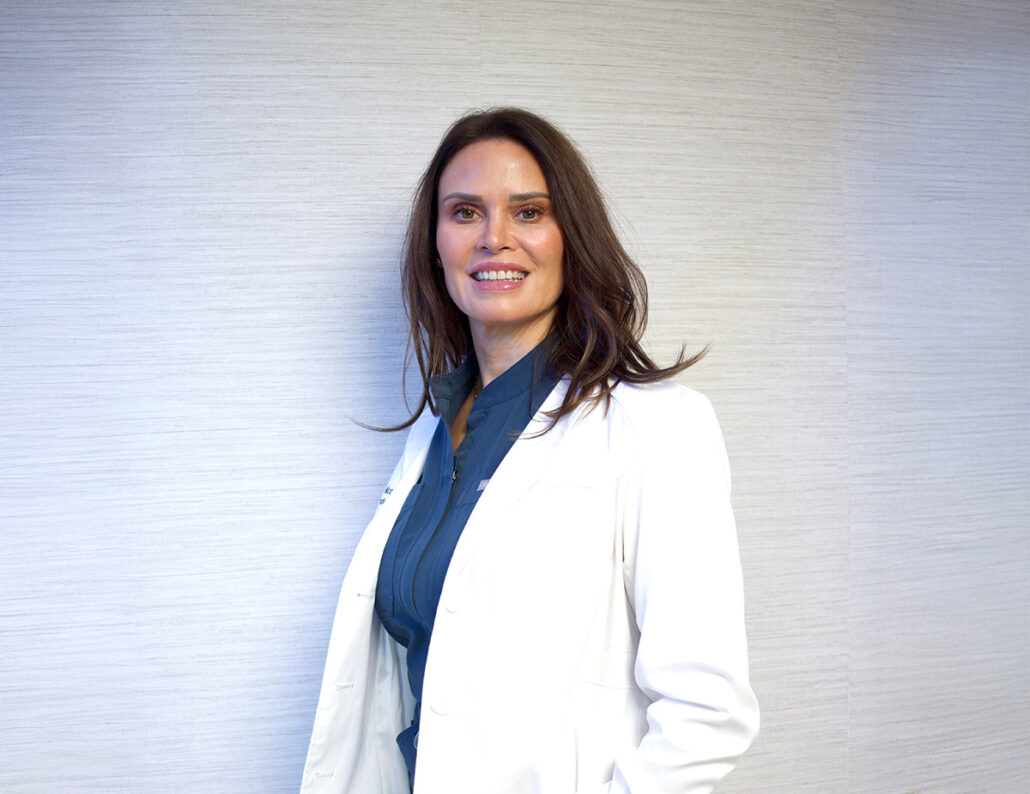
Why Choose Dr. Schrader for Fractional CO2
Training rooted in head and neck surgery
A practice focused exclusively on the face
Active in multiple specialty societies
Conservative judgment on a powerful treatment
Frequently Asked Questions
Is fractional CO2 laser painful?
The laser causes a hot, snapping sensation that most patients tolerate well once topical numbing has taken effect. For deeper treatments, additional anesthesia can be offered to keep you comfortable. After the treatment, the skin feels warm and tight rather than sharply painful, similar to a sunburn. Any discomfort is usually managed with over-the-counter pain relievers and the cooling care plan Dr. Schrader provides.
How much downtime should I plan for?
Downtime depends on the depth of your treatment. Lighter fractional settings can mean three to five days of social downtime, while a moderate treatment runs about a week, and deeper resurfacing for acne scars or etched lines can need seven to ten days before makeup looks seamless. Residual pink tone may linger for one to two more weeks and can be covered with makeup. Final results continue to develop over the next three to six months.
Can fractional CO2 treat acne scars?
Yes. Fractional CO2 is one of the most effective non-surgical treatments for atrophic acne scars, particularly rolling and boxcar types. The laser resurfaces the uneven skin and stimulates new collagen in the deeper layers, which softens the edges of scars over time. Multiple treatments are sometimes needed for deeper scarring, and Dr. Schrader will evaluate the type and depth of your scars before recommending a plan.
How long do the results last?
The collagen and elastin produced after fractional CO2 last for years. Pigment and texture improvements can also be very long lasting, though continued sun exposure, aging, and skin care habits all play a role. Lighter touch-up treatments can extend the results over time.
Is fractional CO2 safe for darker skin tones?
Fractional CO2 has historically been used most often on lighter skin tones because of the risk of pigmentation changes in darker skin. Newer settings and pretreatment protocols have widened the range of patients who can be treated safely. Dr. Schrader evaluates skin tone and history of pigmentation carefully before recommending the laser, and in some cases may suggest a different treatment that carries less pigment risk.
Can I combine fractional CO2 with a facelift?
Yes. Fractional CO2 is often combined with a facelift because the two treatments address different problems. A facelift repositions tissue and corrects laxity, while fractional CO2 resurfaces the skin and reduces lines, sun damage, and texture. The two can be performed at the same time or staged a few months apart, and Dr. Schrader will recommend the timing that best fits your plan.