


PRP Injections in New Jersey
Platelet-rich plasma, often called PRP, is one of the most natural ways to refresh your skin without surgery. The treatment uses growth factors from your own blood to support collagen, soften fine lines, and improve skin tone and texture. At Schrader Plastic Surgery in New Jersey, Dr. Nicole Schrader offers PRP as a gentle, biologic option for patients who want healthier-looking skin with minimal downtime.
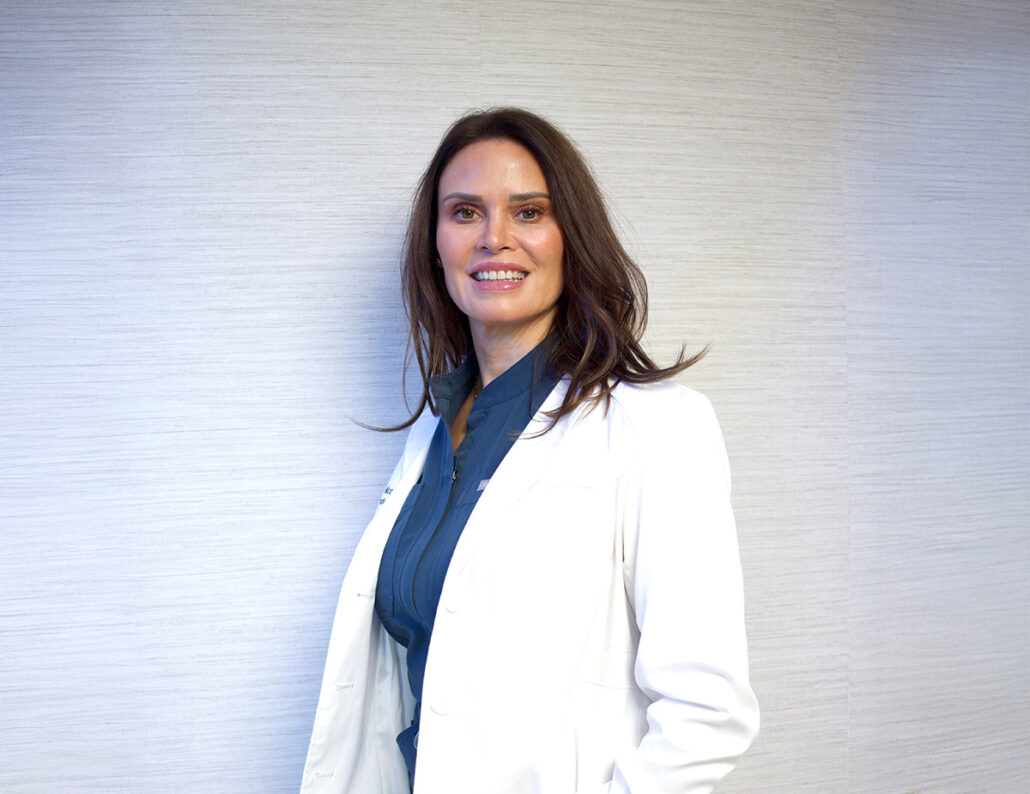
Dr. Schrader is a double board-certified facial plastic surgeon with more than 20 years of experience and more than 15 years in private practice. As a member of the American Academy of Facial Plastic and Reconstructive Surgery and a co-author of more than a dozen papers and presentations, she brings deep clinical knowledge to every treatment plan. Her practice was voted “Best Plastic Surgeon” by Town Topics Readers’ Choice Awards.



What is PRP?
PRP stands for platelet-rich plasma, a concentrated portion of your own blood that is rich in platelets and the growth factors they release. Platelets are best known for helping blood clot, but they also contain proteins that signal the body to repair and regenerate tissue. When PRP is injected back into the skin, those growth factors help stimulate collagen, support new blood vessel formation, and encourage the skin to renew itself.
Dr. Schrader offers PRP for facial rejuvenation as part of her non-surgical treatment options. It is one of the gentlest options available for patients who want to look refreshed without committing to surgery or synthetic products.
Real Benefits of PRP Injections
PRP is popular because it works with your own biology. Instead of adding a foreign substance to the skin, PRP gives the skin a concentrated dose of healing signals from your own body. Patients enjoy a healthier, more refreshed look that builds gradually over time.
A Natural, Biologic Approach
Improved Skin Texture and Tone
Support for Collagen Production
Minimal Downtime
Works Well With Other Treatments
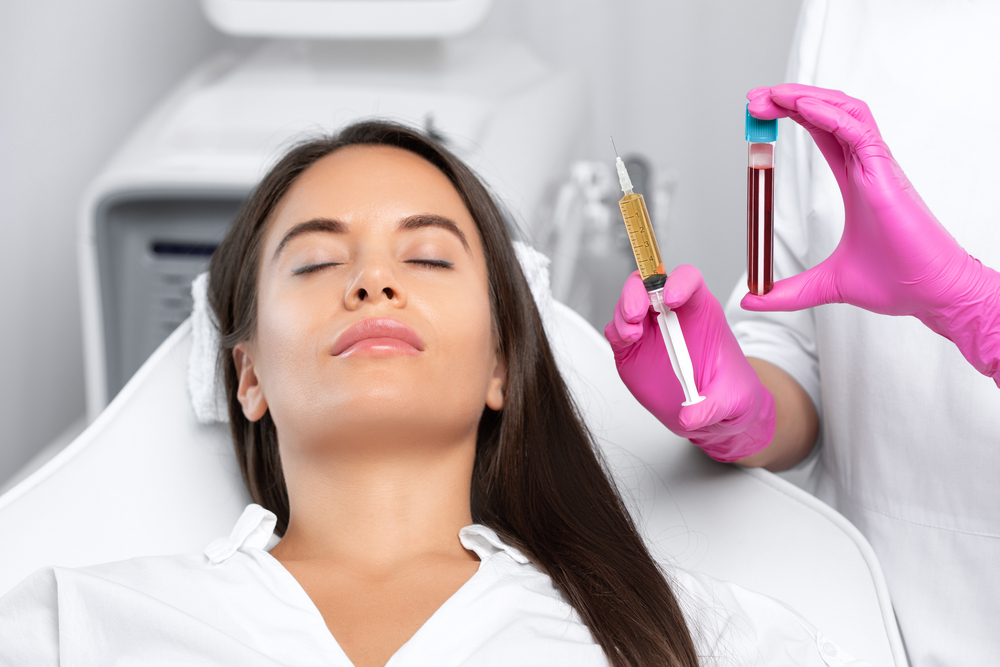
PRP Quick Facts
- A treatment time of about 45 to 60 minutes, including blood draw and preparation
- A natural alternative or addition to fillers and other injectables
- Improvement in skin texture, tone, and early fine lines
- Minimal downtime with quick return to daily activities
- Gradual results that build over several weeks
- A series of treatments, typically two to three sessions spaced about a month apart
How Does PRP Work?
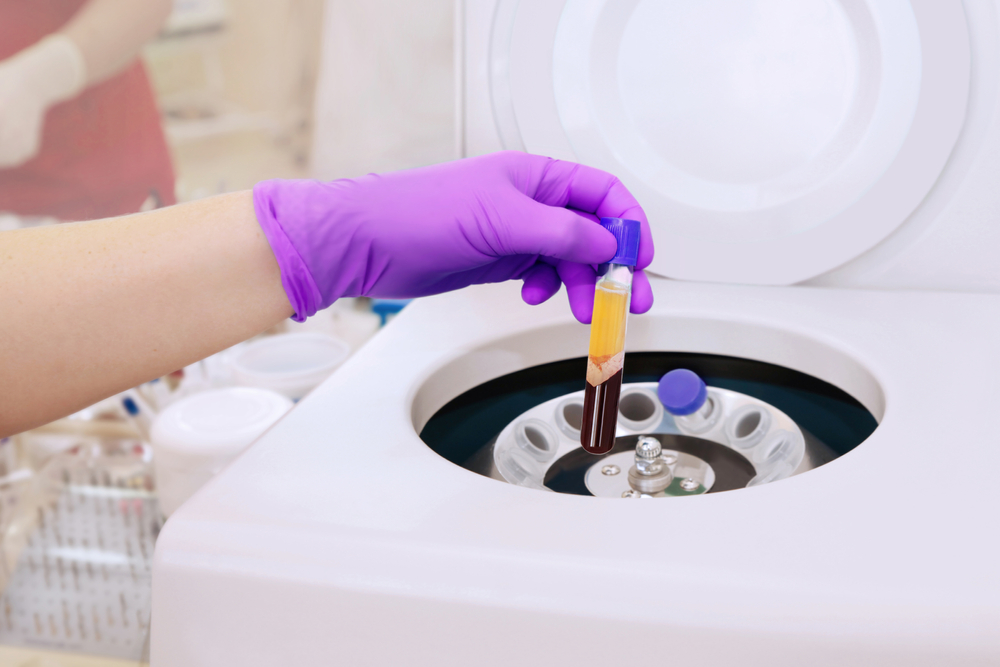
PRP works by concentrating the healing signals already inside your blood and delivering them directly into the skin. A small amount of blood is drawn, much like a routine lab test. The sample is placed in a centrifuge, which spins the blood at high speeds to separate it into layers. The platelet-rich layer is collected and prepared for injection.
When this concentrated plasma is placed into the skin with a fine needle, the growth factors stored inside the platelets are released. These growth factors include platelet-derived growth factor, transforming growth factor, vascular endothelial growth factor, and others that play a central role in tissue repair. They prompt cells in the skin to behave as if they are healing, which encourages collagen production, new blood vessel formation, and faster cell turnover.
What PRP Does Beneath the Surface
Concentrates your own growth factors
A PRP preparation contains three to five times more platelets than a normal blood sample. That higher concentration delivers a stronger signal for repair.
Activates collagen-producing cells
Improves circulation in the skin
Encourages cell turnover
Builds results over time

SCHEDULE A PRP INJECTION CONSULTATION
If you are considering PRP injections, a consultation at Schrader Plastic Surgery is the first step. Dr. Schrader will assess your needs and design a custom treatment plan to naturally restore volume and rejuvenate your skin.
What Areas PRP Can Improve
Under the Eyes
PRP can help with dark circles and crepey skin in the delicate under-eye area, where many synthetic fillers are difficult to use safely.
Cheeks and Midface
Patients with dull, tired-looking cheeks often see a softer, more rested appearance after PRP.
Forehead and Around the Eyes
Fine lines and early crow's feet can soften as collagen builds in the treated areas.
Smile Lines and Mouth Area
PRP can support smoother skin around the nose, mouth, and lip lines.
Neck and Chest
These areas often show sun damage and crepiness earlier than the face. PRP can help improve skin texture in these zones.
Acne Scars and Uneven Texture
PRP, especially when paired with microneedling, can help smooth older acne scars and improve overall skin quality.
Who Is a Good Candidate for PRP?
- Want to soften fine lines or improve skin texture
- Have early signs of aging, sun damage, or dullness
- Prefer a natural, biologic treatment over synthetic products
- Want a treatment that supports your skin over time rather than producing a single dramatic change
- Are in good general health
What To Expect During Your PRP Visit
Your treatment is straightforward, and most of the appointment is spent preparing the PRP rather than injecting it.
1. Consultation
2. Blood Draw
3. Preparation
4. Injection
5. After the Visit
PRP Recovery and Aftercare
There is little downtime after PRP. You may notice mild redness, slight swelling, or small bruises at the injection sites, and these usually fade within a few days. For the best results:
- Avoid heavy exercise for the rest of the day
- Skip saunas, hot tubs, and direct sun exposure for 24 to 48 hours
- Do not apply makeup for several hours after treatment
- Keep the skin well moisturized and protected with sunscreen
When Results Appear and How Long They Last
Most patients benefit from a series of two to three sessions spaced about four to six weeks apart.
Results vary from person to person, and many patients return for maintenance treatments once or twice a year to support ongoing improvement.
Combining PRP With Other Treatments
- PRP with microneedling, which creates tiny channels in the skin that help the PRP penetrate and boost collagen
- PRP with hyaluronic acid fillers like Juvederm or Restylane for added volume in deeper folds
- PRP after laser treatments to support healing and improve overall skin quality
- PRP with facial fat grafting to enhance the survival of transferred fat and improve skin texture in the same visit
Possible Side Effects of PRP
Common, Mild Side Effects
- Redness or warmth at the injection sites
- Mild swelling or small bumps
- Light bruising
- Tenderness in the treated areas
Less Common Side Effects
- Pinpoint bleeding
- Temporary itching or tightness
- Rare infection at the injection site
When to Contact the Office
If anything feels unusual or if you have questions after your treatment, you are always welcome to reach out. Most concerns are simple and resolve quickly, and the office is here to support you throughout the process.
It is also important to understand that PRP for facial rejuvenation is still an emerging area in cosmetic medicine. While many patients see meaningful improvements, results vary from person to person, and PRP is not a replacement for surgical rejuvenation when more significant lifting or volume change is needed.
Why Choose Dr. Schrader for PRP in New Jersey
Proven Expertise You Can Trust
- Double board-certified facial plastic surgeon
- More than 20 years of experience treating the face, including more than 15 years in private practice
- Member of the American Academy of Facial Plastic and Reconstructive Surgery
- Co-author of more than a dozen medical papers and presentations in facial plastic surgery
Deep Understanding of Facial Anatomy
- Performs surgical and non-surgical facial procedures regularly
- Experience includes facelift, eyelid surgery, brow lift, neck rejuvenation, and a full range of non-surgical treatments
- Detailed knowledge of facial anatomy supports precise PRP placement for natural results
Personalized Care for Natural Results
- Takes time to understand each patient's goals and skin concerns
- Builds individualized treatment plans rather than applying a one-size-fits-all approach
- Honest guidance about what PRP can and cannot achieve
Recognized in the Community
- Voted “Best Plastic Surgeon” by Town Topics Readers' Choice Awards
Safe, Professional, Patient-Focused Care
- Treatments performed in a clean, medical-grade environment
- Clear explanations and supportive follow-up
- Thoughtful pairing of PRP with other treatments when appropriate
Refresh Your Skin With PRP in New Jersey
PRP Frequently Asked Questions
How is PRP prepared and injected?
Is PRP safe?
PRP is considered very safe because it uses your own blood, which greatly lowers the risk of allergic reactions. Side effects are usually limited to mild redness, swelling, or bruising that fades within a few days. Dr. Schrader will review your health history at your consultation to confirm PRP is appropriate for you.
How soon will I see results?
Because PRP works by encouraging your skin to rebuild collagen and renew itself, results appear gradually. Many patients notice improvements within two to three weeks, with continued improvement over the next few months as new collagen forms. A series of treatments usually gives the best result.
How long do PRP results last?
Results vary from person to person. Most patients return for maintenance treatments once or twice a year to support ongoing improvement, and good skincare and consistent sun protection help extend the benefits.
Can PRP replace a facelift?
PRP improves skin quality, texture, and early signs of aging, but it cannot lift loose skin or restore significant volume. Patients with more advanced aging often see better results from surgical options like a facelift, neck rejuvenation, or fat grafting. Dr. Schrader will help you choose the approach that fits your goals.