


ADVANCED DEEP PLANE FACELIFT IN PRINCETON, NJ
- Double board-certified facial plastic surgeon
- 20+ years of facial rejuvenation experience
- Extensive experience in facelift surgery
- Deep plane technique for natural-looking, longer-lasting results






What Is a Deep Plane Facelift?
A deep plane facelift is an advanced surgical technique that lifts and repositions the deeper layers of the face, not just the skin. It works below the SMAS, which is the layer of muscle and connective tissue that supports the cheeks and jawline. By releasing the small ligaments that hold this layer in place as we age, the surgeon can gently move the cheek, jawline, and upper neck back into a more youthful position together. This technique also restores volume in the midface, eliminates jowling and softens the nasolabial folds and rejuvenates the neck.
This is different from older facelift methods that pulled mostly on the skin. Skin-based lifts could create a tight or windswept look, especially over time. The deep plane approach restores support where the face has actually lost it, so the skin can settle naturally on top.
Patients often describe the result as looking rested or like themselves from several years ago. That natural quality is one of the main reasons the deep plane facelift has become the most discussed facelift technique today.
Why the Deep Plane Facelift Is Trending
Facelifts have always been one of the most popular facial plastic surgery procedures, but the conversation around them has changed. Open conversations from public figures, including the widely discussed facelift Kris Jenner had, have shifted the way people think about this surgery. The pulled, obvious look that defined facelifts in past decades is no longer what people are asking for.
What patients want now is subtle, natural, and lasting. The deep plane facelift fits that goal because it works with the anatomy of the face rather than against it. Many people in their 40s and 50s are also choosing this approach earlier, hoping to keep their natural features in balance rather than chase results with repeated filler appointments.
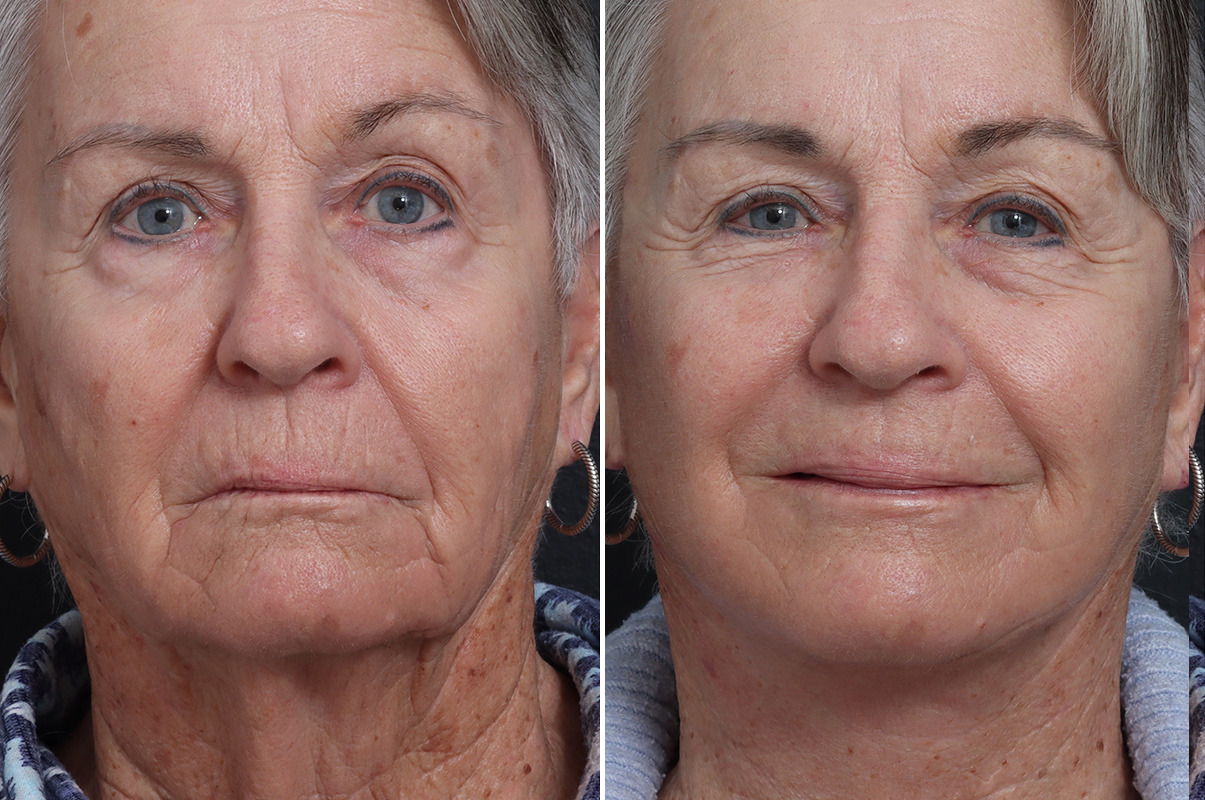
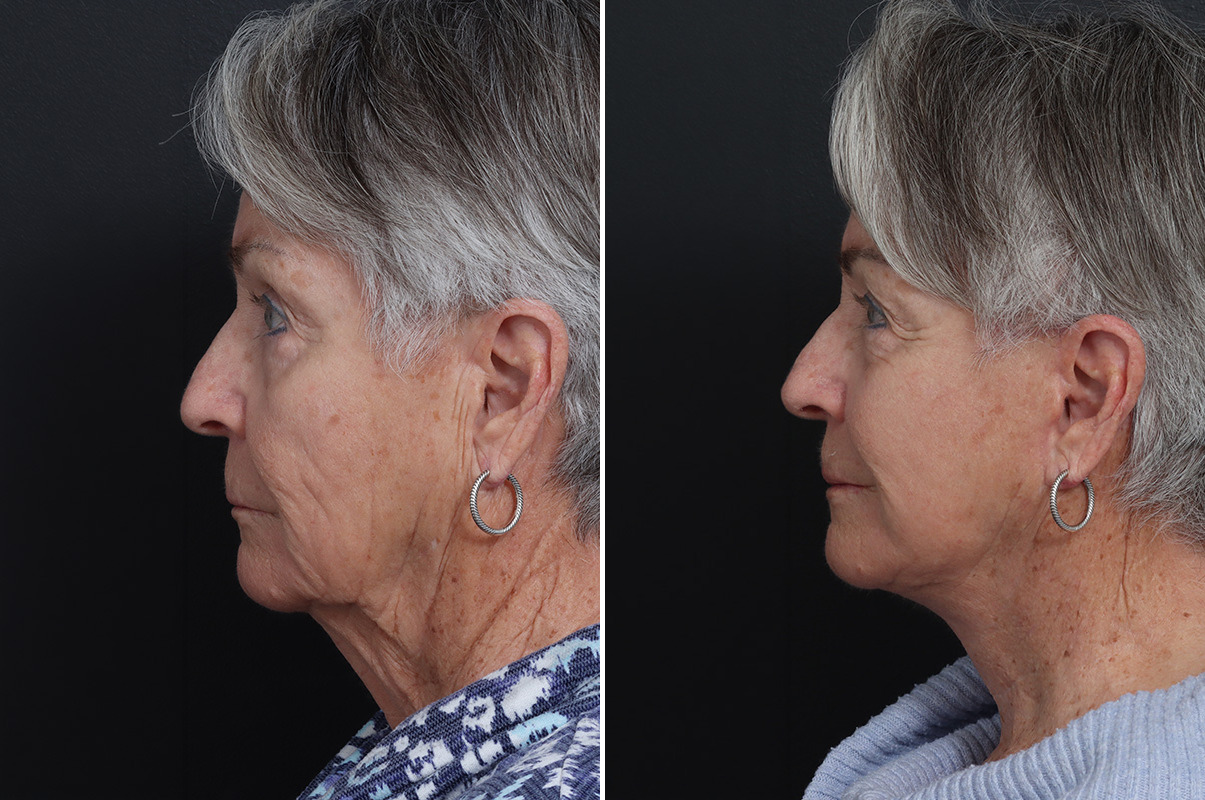
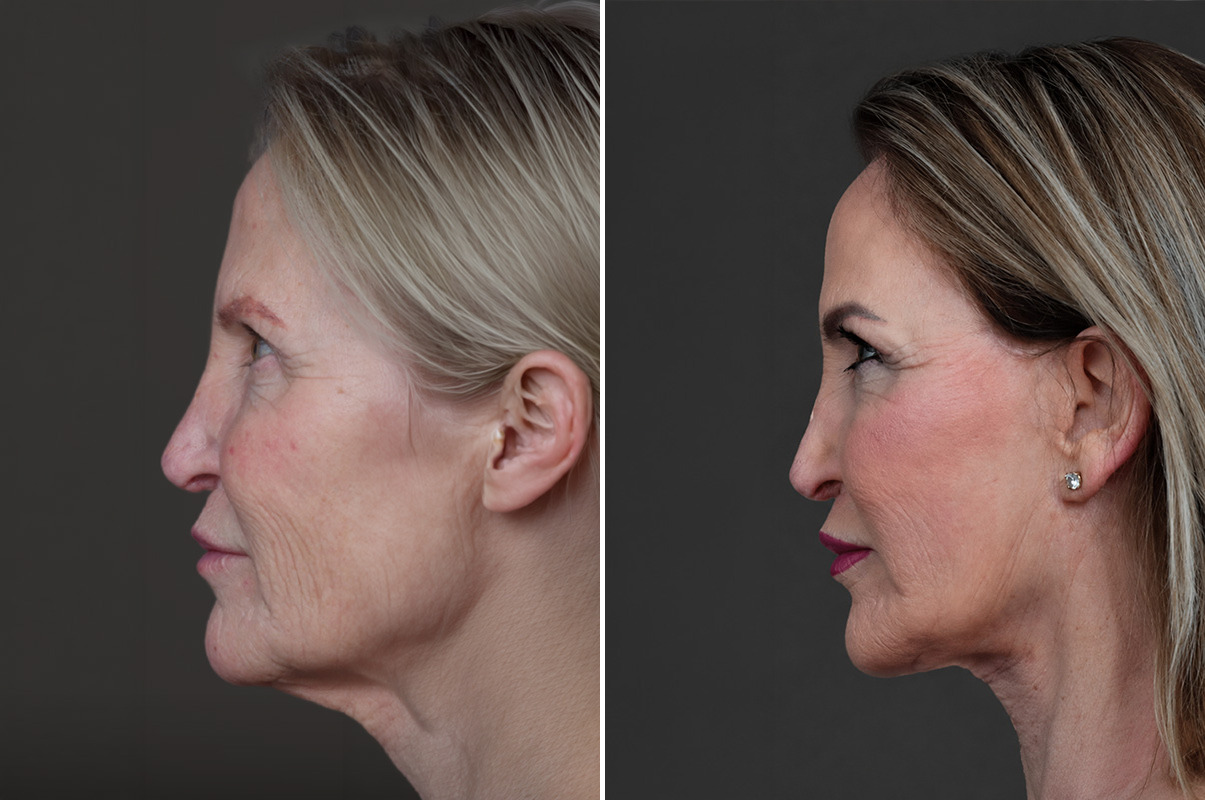
Facelift Before & After Photos
* All patients are unique and individual results may vary.
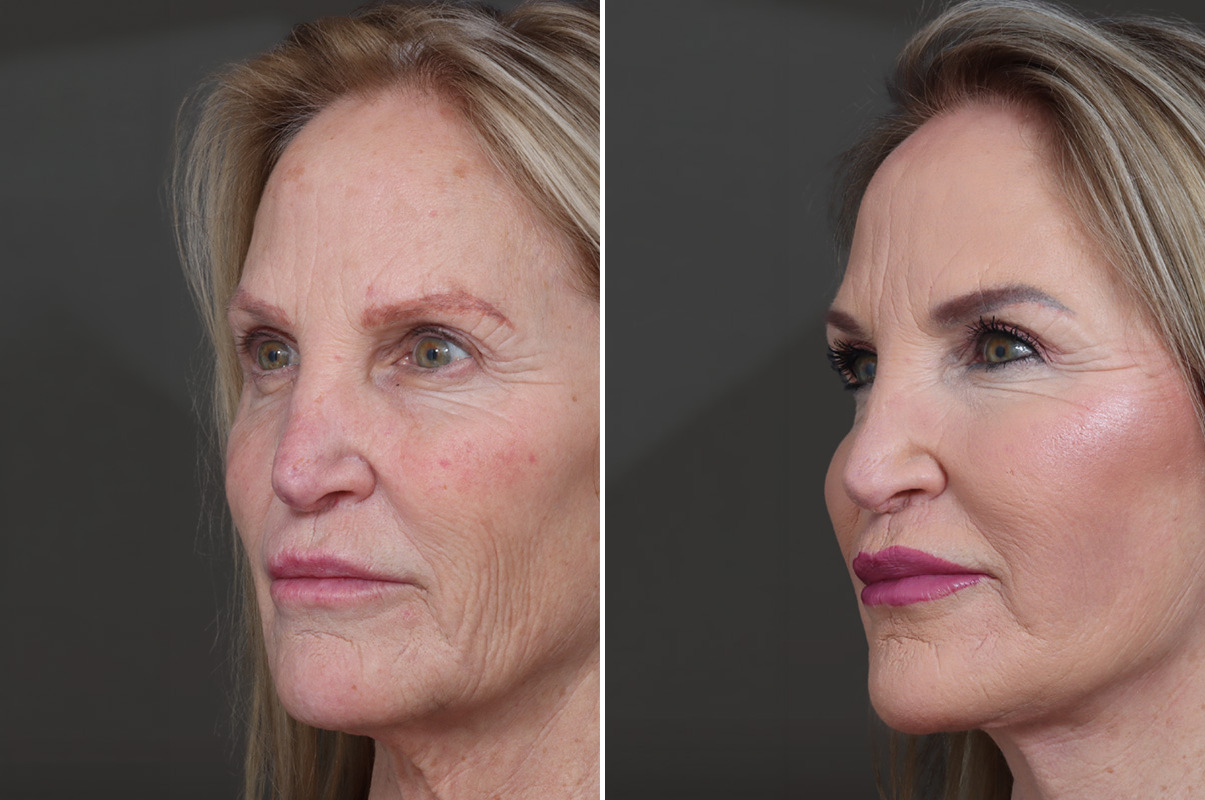
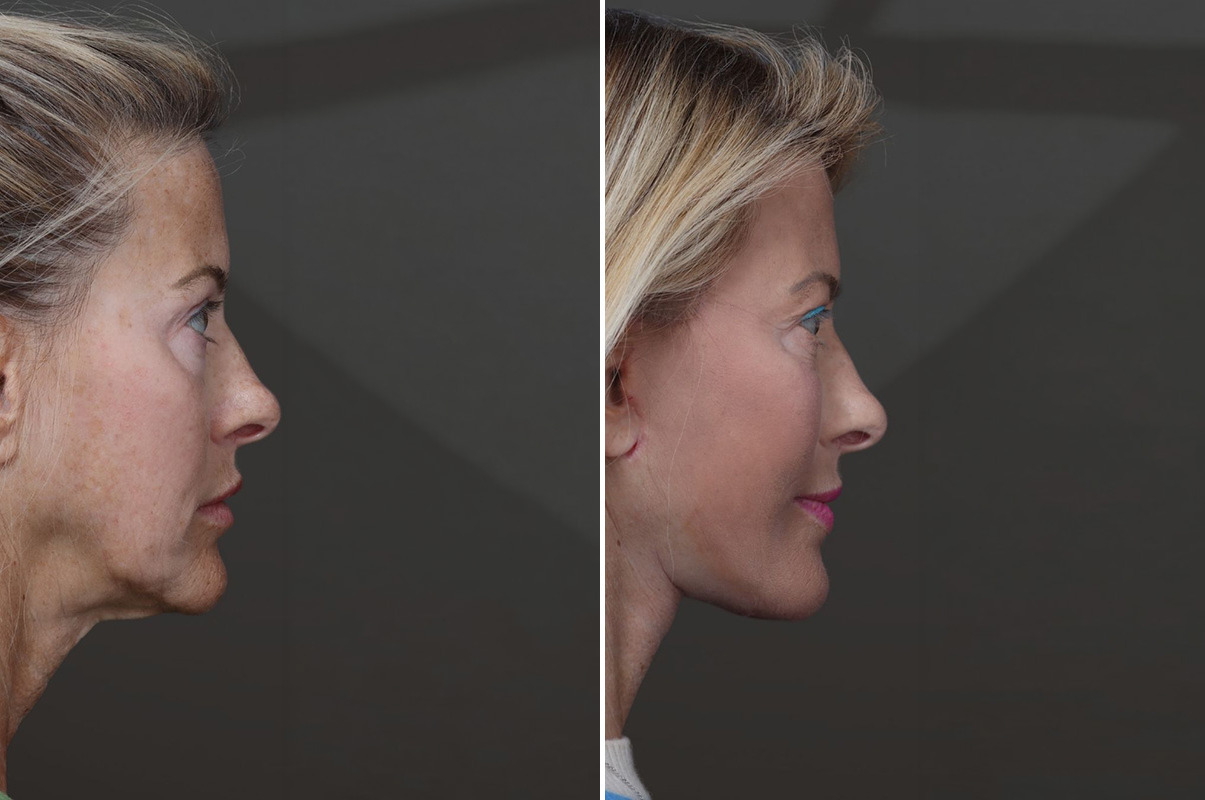
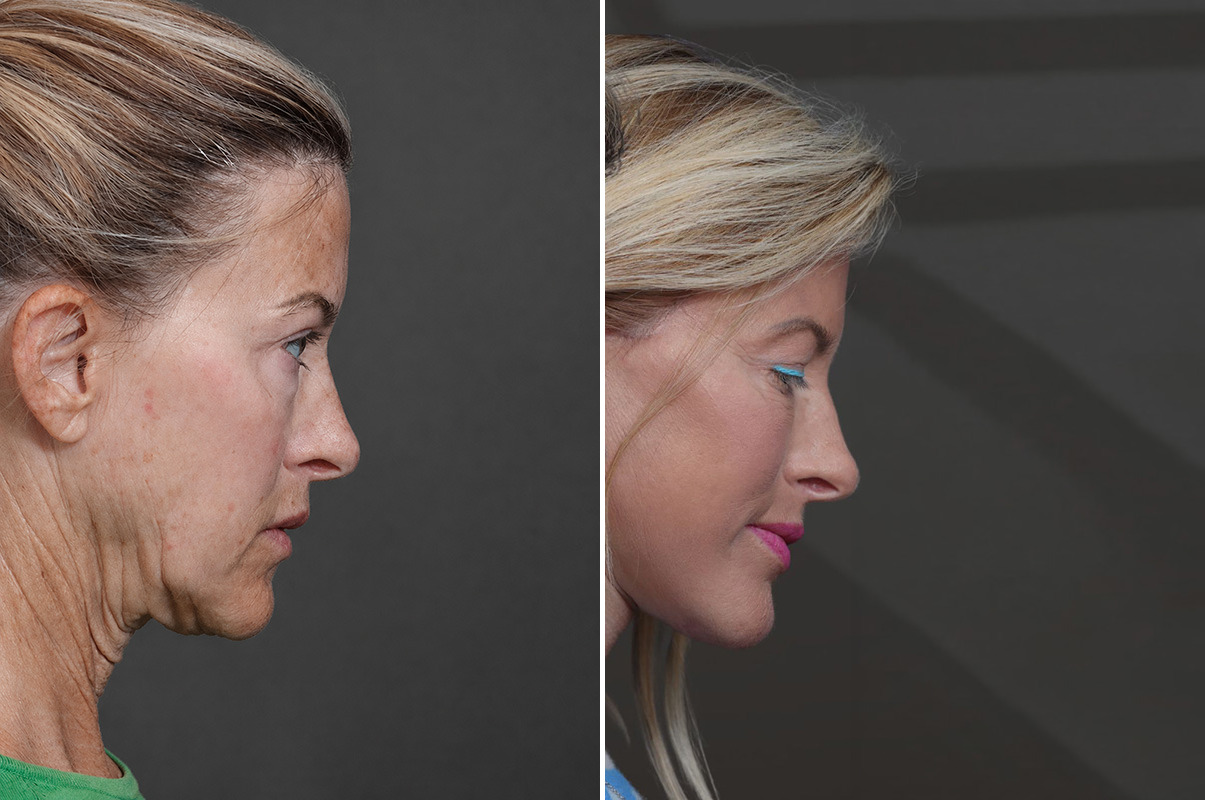
Deep Plane Facelift vs SMAS Facelift
Both the deep plane facelift and the SMAS facelift address the same general concerns, but they differ in how deeply the surgeon works.

The SMAS Facelift
A SMAS facelift lifts and tightens the SMAS layer itself. The surgeon shortens or repositions this layer to give the lower face and jawline more support. It is a well-established technique with good results for many patients, especially those with mild to moderate aging in the cheeks and jaw.
In a SMAS lift, the deeper ligaments are typically left in place, and the skin is redraped over the tightened SMAS. The lift is real, but it works at the surface of the deeper support system rather than below it.

The Deep Plane Facelift
A deep plane facelift goes one layer deeper. The surgeon releases the retaining ligaments beneath the SMAS, which allows the muscle, fat, and skin to move together as a single unit. Because the deeper structures are repositioned, there is less tension on the skin, and the result tends to look softer and more natural.
This unified movement is especially helpful in the midface, where flattened cheeks and deepening folds near the nose and mouth often appear with age. Many surgeons feel the deep plane technique offers a more complete improvement in this area than a traditional SMAS lift can provide.

Which One Is Right for You?
Dr. Schrader primarily performs the deep plane facelift because it offers a more complete lift with results that look natural and last longer.
The decision is based on your anatomy, your goals, and how your face has changed over time. Some patients are better suited to one technique than the other, and Dr. Schrader will help you understand which approach offers the best result for your features.

What a Deep Plane Facelift Can Improve
- Sagging skin along the cheeks and jaw
- Loss of definition in the jawline
- Heaviness or jowls in the lower face
- Flatter or deflated cheeks
- Deep folds between the nose and mouth
- Loose skin along the upper neck and under the chin
The goal is to restore a softer, more youthful contour from the cheeks through the jawline and into the upper neck, without changing what makes your face uniquely yours.
Good Candidates for a Deep Plane Facelift
A deep plane facelift is most often recommended for adults who have moderate to noticeable signs of aging in the midface, jawline, or neck.
Many patients are in their late 40s, 50s, or 60s, though candidacy is based on the condition of your face rather than your age.
- Feel that fillers or non-surgical treatments no longer give the improvement you want
- Notice sagging or jowls along the lower face
- See loss of volume or definition in the cheeks
- Are in good general health
- Want a long-lasting result rather than ongoing maintenance treatments
- Have realistic expectations about what surgery can do
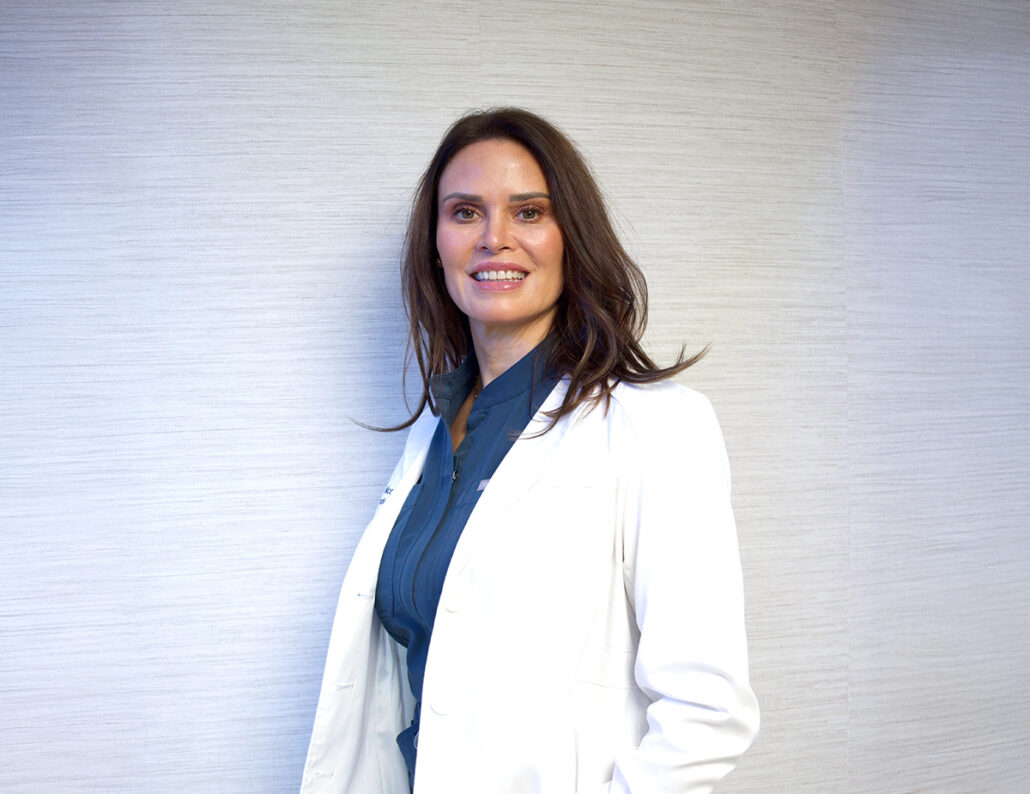
Your Consultation With Dr. Schrader
- Examine your facial structure, skin quality, and underlying support.
- Talk with you about your concerns and goals.
- Review your health history.
- Explain the deep plane technique and how it would apply to you.
- Answer your questions about the procedure, recovery, and results

REVEAL A REFRESHED, NATURAL-LOOKING APPEARANCE WITH A DEEP PLANE FACELIFT
Turn back the signs of aging with one of the most advanced facelift techniques available. A customized deep plane facelift by Dr. Nicole Schrader in New Jersey lifts deeper facial structures to create smoother contours, improved definition, and beautifully natural results. Schedule your consultation or call us at 609-279-0009 to take the next step.
How the Deep Plane Facelift Is Performed
- Anesthesia is provided so you stay comfortable throughout the surgery.
- Small, well-placed incisions are made around the ears and along the hairline so they can heal discreetly.
- The skin is gently lifted to allow access to the deeper layers.
- The retaining ligaments beneath the SMAS are released.
- The deeper layers, including muscle and soft tissue, are repositioned as a unit.
- The skin is redraped without tension and the incisions are closed with care.
Recovery After a Deep Plane Facelift
- Dressing for 24 hours
- Sutures removed within one week
- Most bruising and visible swelling improving within two to three weeks
- Many patients returning to social activities in about two weeks
- Final results continuing to refine 2-3 months as swelling settles
How Long Deep Plane Facelift Results Last
One of the biggest reasons patients choose the deep plane facelift is the longevity of the results. Because the surgery repositions deeper structures rather than relying on skin tension, the improvements tend to hold up well over time. Many patients enjoy their results for a decade or longer.
The face will continue to age naturally, but you will always look younger than you would have without the procedure. Protecting your skin from sun exposure, maintaining a healthy lifestyle, and continuing good skincare habits all help your results last longer.

Combining a Deep Plane Facelift With Other Procedures
Eyelid Surgery
Eyelid surgery reduces puffiness or loose skin around the eyes. Adding it to a facelift creates a refreshed look across the upper and lower face together.
Brow Lift
Fat Transfer
Fat transfer restores gentle volume to areas like the cheeks or temples. It pairs well with a deep plane facelift to address both sagging and volume loss in a single recovery.
Neck Rejuvenation
A neck lift refines the contour beneath the chin and jawline. This often complements the lower facelift effect of the deep plane technique.
Lip Lift
Skin Resurfacing and Non-Surgical Treatments
Treatments such as CO2 laser resurfacing, and skin care support the quality of your skin so your facelift results look even more polished. These can be added during or after recovery.
Facelift Reviews




Why Choose Dr. Schrader for Your Deep Plane Facelift
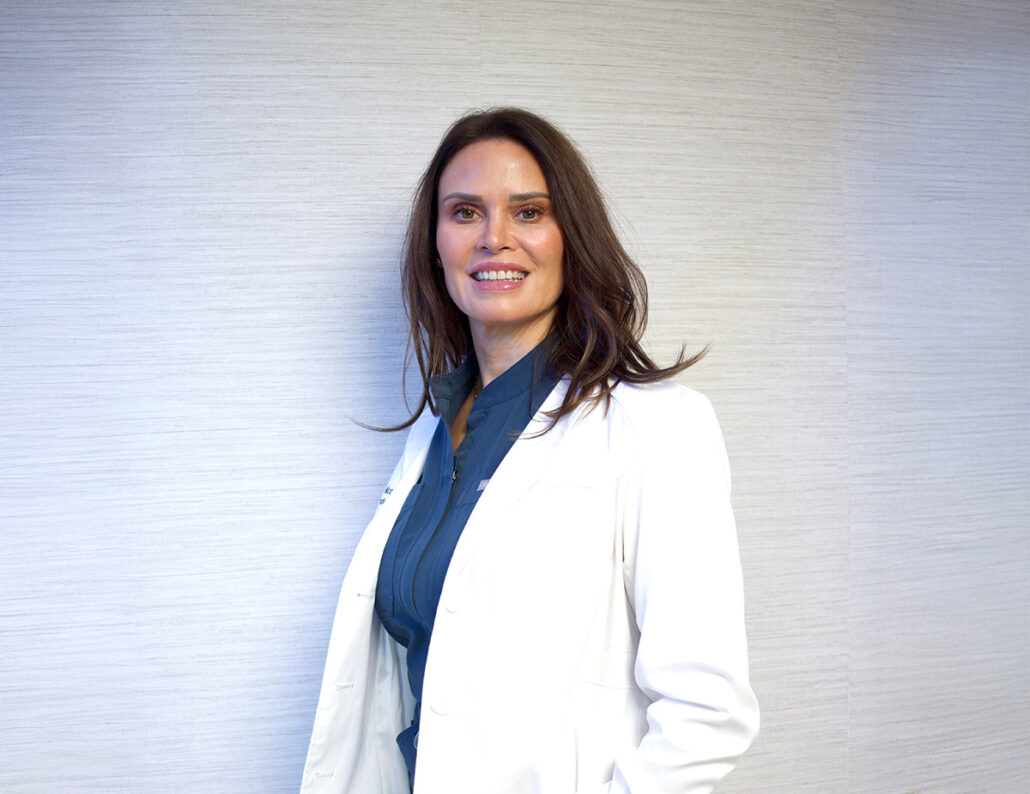
Choosing the right surgeon may be the most important decision in the entire process. Dr. Nicole Schrader is a double board-certified facial plastic surgeon with more than 20 years of experience focused on the face, head, and neck. Her training and approach allow her to tailor each facelift to the individual patient, which is central to a natural-looking outcome with the deep plane technique. Her credentials include:
- Specialty training in Facial Plastic and Reconstructive Surgery
- Membership of the American Academy of Facial Plastic Surgery
- Over a 20 years of private practice experience in New Jersey
- Co-authored more than a dozen papers and presentations
- Recognition by Town Topics Readers' Choice Awards
Begin Your Deep Plane Facelift Journey in New Jersey
If you are ready to learn more about a deep plane facelift, schedule a consultation with Dr. Schrader plastic surgery, call 609-270-0009 or request a visit through our website.