


Scar Healing with PRP and Nanofat
Scars are a normal part of how skin repairs itself, but they do not always heal the way we would like. Some stay raised, some sink below the surface, and some hold onto redness or an uneven texture long after the original injury or incision has closed. At Schrader Plastic Surgery in New Jersey, two regenerative treatments, platelet-rich plasma and nanofat, are used to support the skin as it heals and to improve the look and feel of scars. Both work by encouraging the skin’s own repair process rather than masking the scar, and both can be used on their own or alongside a surgical procedure. Dr. Nicole Schrader is a double board-certified facial plastic surgeon who performs a full range of surgical and non-surgical facial procedures, which means she works with healing skin every day. That experience shapes how she approaches scars. She understands what helps the skin rebuild well and what does not, and she uses PRP and nanofat as tools to support healing where they genuinely help, with honest expectations about what each can do.





How Scars Form and Why They Heal Differently
When the skin is injured, whether by an accident, acne, or a surgical incision, the body rushes to close the wound. It lays down collagen quickly to seal the area, and that fast repair is rarely as organized as the original skin. The result is a scar, which is simply skin that has healed with a different structure than what surrounded it.
How a scar turns out depends on many things, including the depth of the injury, where it is on the body, how the skin was cared for during healing, and a person’s own biology. Some scars become raised because the body produced too much collagen. Others sink because too little formed, which is common with acne scars. Many simply look and feel different in color or texture. Supporting the skin during the healing and remodeling phase is where regenerative treatments can make a difference, because that is when the final character of a scar is still taking shape.
How PRP Supports Scar Healing
How Nanofat Supports Scar Healing
Nanofat takes a different and complementary route. It begins with a small amount of your own fat, usually taken from an area like the abdomen or thigh through gentle liposuction. That fat is then processed and emulsified into a thin fluid. The result is not the kind of fat used to add volume. Instead, nanofat is valued for the regenerative cells and growth factors naturally concentrated within fat tissue.
Because it is so fine, nanofat can be placed into the superficial layers of the skin, which makes it well suited to improving skin quality and the texture of scars. It is often used for scars that have left the skin looking depressed, uneven, or discolored, including some acne scars. The regenerative cells it carries are thought to support the skin’s renewal and improve its overall quality over time. Nanofat is processed mechanically rather than with enzymes or laboratory culturing, which keeps it a straightforward, in-office use of your own tissue.
Using PRP and Nanofat Together
PRP and nanofat are often a natural pairing. PRP delivers a burst of healing signals, while nanofat contributes regenerative cells and supports the skin’s longer-term renewal. Used together, they approach a scar from two angles at once, supporting both the immediate repair and the gradual improvement in skin quality. The right combination depends on the scar and the person, which is something best worked out in a consultation rather than assumed in advance.
Two Ways These Treatments Are Used
At Schrader Plastic Surgery, PRP and nanofat are used for scar healing in two different ways.
Alongside a Surgical Procedure
When a procedure involves an incision, supporting how that incision heals can influence the quality of the scar it leaves behind. Used in combination with surgery, PRP and nanofat are applied to support healing and encourage a smoother, less noticeable result as the area recovers. This is about giving the skin extra support during the window when the scar is still forming.
As a Standalone Treatment

SCHEDULE A SCAR HEALING CONSULTATION
If you are considering scar healing with PRP and Nanofat, a consultation at Schrader Plastic Surgery is the first step. Dr. Schrader will assess your skin and design a custom treatment plan to repair damaged tissue, smooth texture, and significantly improve the appearance of your scars.
What Scar Healing with PRP and Nanofat Can Help With
- Improve the texture and smoothness of a scar
- Soften the appearance of depressed or uneven acne scars
- Reduce lingering redness or discoloration
- Support healthier healing when used alongside surgery
- Improve the overall quality of the surrounding skin

Is This Approach Right for You?
These treatments tend to suit people who want to improve a scar using their own blood and tissue rather than synthetic products. You may be a good candidate if you:
- Have a scar whose texture, color, or contour you would like to improve
- Are planning a procedure and want to support how the incision heals
- Prefer a regenerative approach that works with your body's own materials
- Are in good general health
- Understand that results build gradually and often over more than one session
What to Expect
The process is straightforward and done in the office. If PRP is part of your treatment, a small blood sample is drawn and spun to prepare the concentrate. If nanofat is included, a small amount of fat is collected through gentle liposuction and processed into its fine form. The area being treated is numbed for your comfort.
The prepared PRP and nanofat are then placed where they are needed, which may involve injecting into or beneath the scar or applying the material in combination with the skin’s surface being treated. The specifics depend on the scar and the plan made for you. The whole visit is designed to be comfortable and is typically completed in a single appointment.

Recovery and Results
Because these treatments use your own blood and tissue, recovery is usually mild. You may notice some swelling, redness, or bruising in the treated area for a few days, particularly where fat was taken or placed. Most people return to their usual routine quickly, with simple aftercare guidance to follow.
Results appear gradually. Since the treatments work by supporting the skin’s own renewal, improvement in a scar’s texture, color, and softness tends to develop over weeks and continues as the skin remodels. More than one session is often part of the plan, especially for older or more stubborn scars. Your provider can help you understand what a realistic timeline looks like for your particular scar.
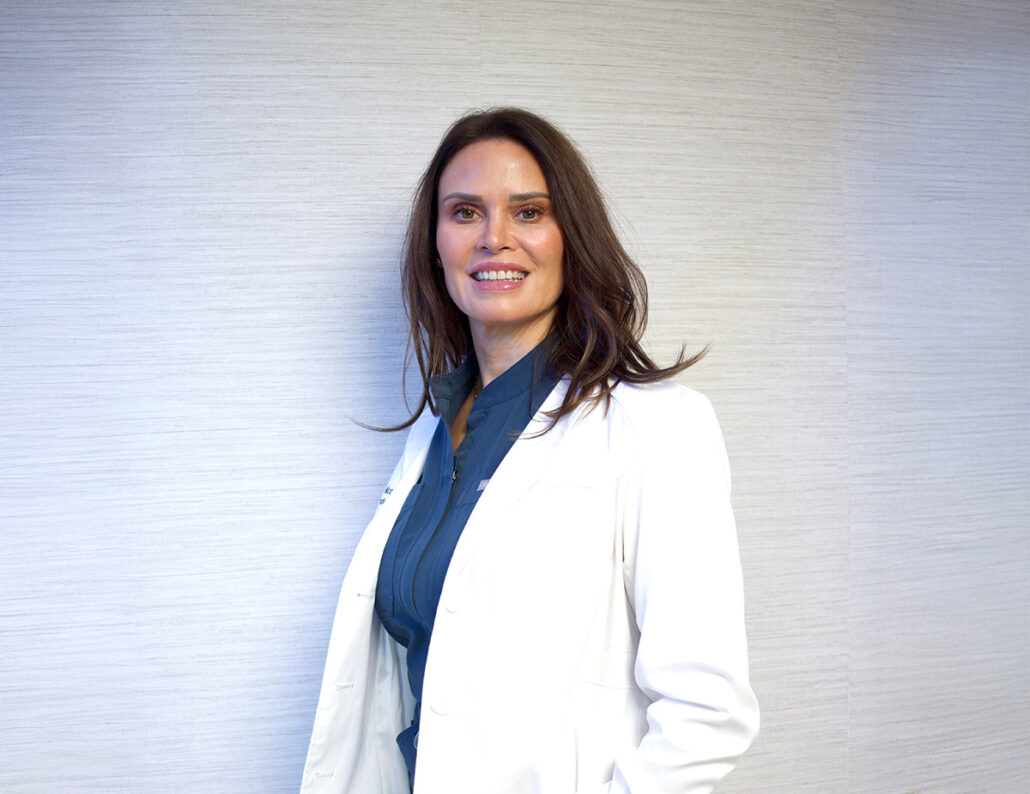
Why Choose Dr. Schrader for Scar Healing in New Jersey?
A Surgeon Who Understands How Skin Heals
- Double board-certified in Facial Plastic and Reconstructive Surgery and in Otolaryngology and Head and Neck Surgery
- More than twenty years of experience working with healing skin, including over a decade in private practice
- Has performed countless facial procedures, which informs how she supports healing and scarring
Regenerative Tools Used With Honest Expectations
- Uses PRP and nanofat where they genuinely help rather than as a one-size-fits-all answer
- Matches the approach to the type and age of each scar
- Clear, straightforward guidance about what these treatments can and cannot do
Trusted Across New Jersey
- Voted “Best Plastic Surgeon” by the Town Topics Readers' Choice Awards in 2017
- Co-author of numerous medical papers and presentations in facial plastic surgery
- Member of the American Academy of Facial Plastic and Reconstructive Surgery