


Quick Answer: For the right candidate, fractional laser can be worth it for acne scars, especially rolling and boxcar scars. Most people need multiple treatments, and the goal is meaningful improvement rather than complete scar removal. Results vary based on scar type, depth, and skin tone.
If your breakouts have calmed down but the marks they left behind have not, you are far from alone. Fractional laser for acne scars is one of the treatments patients ask me about most, usually after years of trying creams and serums that never quite reached the deeper texture changes. Acne scars tend to outlast the acne itself, and they often shape how someone feels about their skin long after the breakouts are gone. The encouraging part is that fractional laser can soften many of these scars by prompting your skin to rebuild its own collagen from the inside.
I’m Dr. Nicole Schrader, a double board-certified facial plastic surgeon practicing in New Jersey. Over more than 20 years, I have helped many patients improve the texture and tone of their skin, and acne scarring is one of the concerns I see again and again. My goal with this article is to walk you through what fractional laser can and cannot do, who tends to see the strongest results, and what recovery genuinely looks like, so you can decide whether it makes sense for you.
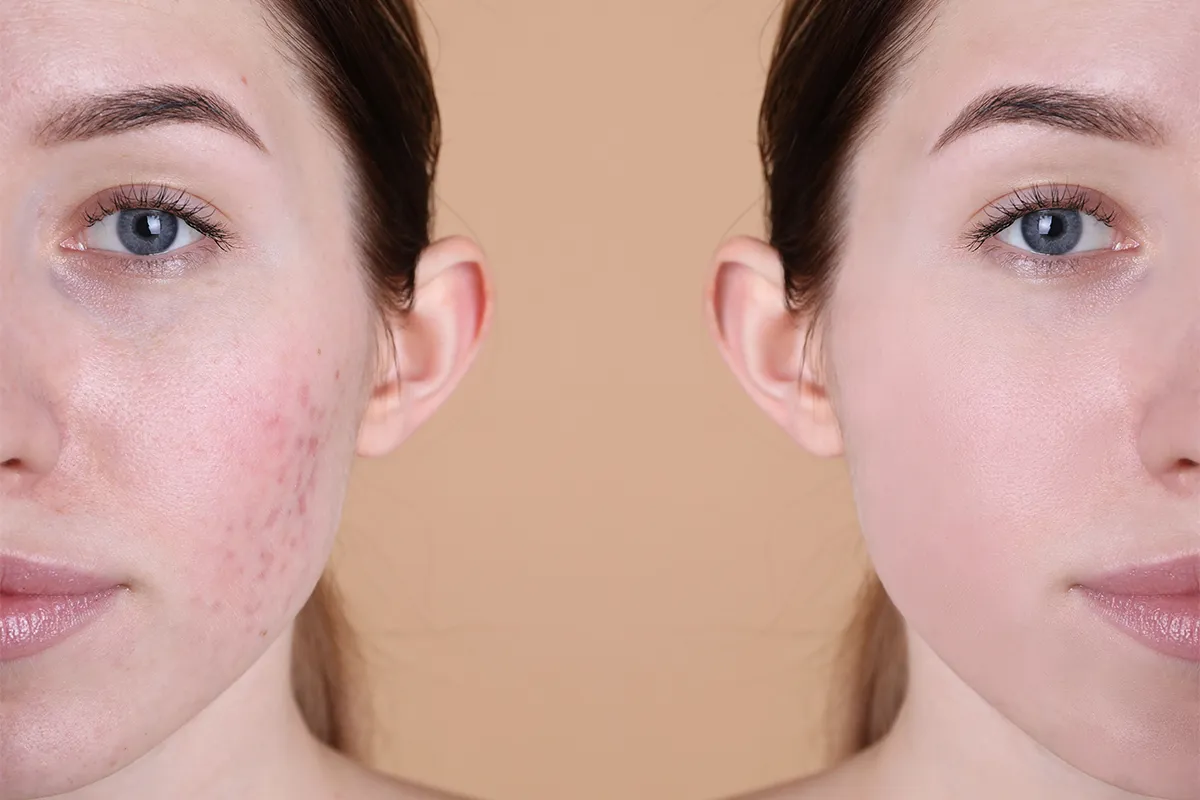
Key Takeaways: What Fractional Laser Can Really Do for Acne Scars
- Fractional laser treats acne scars by creating tiny channels in the skin that trigger fresh collagen growth.
- It works best on atrophic scars like rolling and boxcar scars, while deep ice pick scars often need extra help.
- Most patients need a series of sessions and see gradual improvement over several months.
- Recovery usually means a few days of redness and swelling, with results that keep building after the skin heals.
- A consultation is the only reliable way to know if your skin type and scar pattern are a good match.
How Does Fractional Laser Treatment Help Acne Scars?
The word fractional describes how the laser works. Instead of treating the entire surface at once, it sends precise columns of energy into small fractions of the skin and leaves the tissue around each column untouched. Those intact areas act like bridges that help your skin heal faster than it would after full resurfacing.
Each of those micro-columns creates a controlled bit of injury, and your body responds the way it responds to any wound, by producing new collagen and elastin. As that fresh collagen builds over the following weeks and months, depressed scars gradually fill in and the surface becomes smoother and more even. It is a remodeling process, which is why the best results show up well after your visit rather than on the same day.
Which Types of Acne Scars Respond Best to Fractional Laser?
Scar type plays a major role in how much improvement you can expect. Fractional laser is designed for atrophic scars, the kind that sit below the surface of the skin. Raised scars behave differently and are treated in other ways, so the first thing I do is look closely at what kind of scarring you actually have.
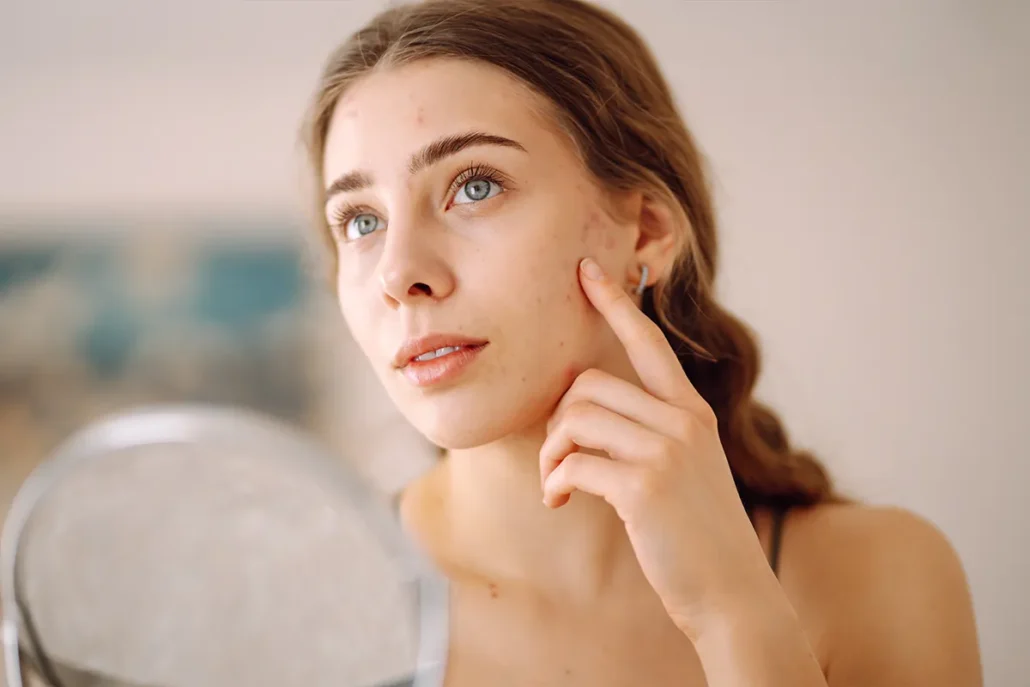
Rolling Scars
Rolling scars are broad and shallow with soft, sloping edges that give the skin a wavy look. They tend to respond well to fractional laser because the treatment smooths those gentle transitions and rebuilds support underneath.
Boxcar Scars
Boxcar scars are wider depressions with sharper, more defined edges. Shallow boxcar scars often improve nicely, while deeper ones may call for more sessions or a combined approach to soften their borders.
Ice Pick Scars
Ice pick scars are narrow, deep, and shaped a bit like a tiny puncture. They are the most stubborn to treat with resurfacing alone and often respond best when the laser is combined with other techniques. Setting realistic expectations matters most with this type.
Mixed Acne Scarring
Most people do not have just one kind of scar. When rolling, boxcar, and ice pick scars appear together, a layered plan that addresses each type usually works better than treating them all the same way.

Trust your face to a specialist
My Goal is to create Harmony, Balance & true Beauty
Does Scar Severity Affect Your Results?
It does. The depth and severity of your scarring influence both how many treatments you may need and how much change is realistic. A 2025 systematic review of fractional laser treatment for acne scars found that most patients saw improvement in the range of about 30 to 70 percent, with milder, shallower scars generally responding best.
Deeper and more established scars can still improve, but they tend to need a more patient, gradual approach. Part of my job during your consultation is to be honest about where your scars fall on that spectrum so you know what to expect before we begin.
What Results Can You Expect From Fractional Laser for Acne Scars?
Fractional laser does not erase acne scars, it remodels them, rebuilding collagen so that depressed scars gradually fill in and the surface grows smoother over several months. Improvement happens as that collagen develops, not overnight, and many patients start to notice smoother texture in the weeks after a session.
Because of that, a series of treatments is often recommended rather than a single visit. Results also vary from person to person based on skin type, scar depth, and how your skin heals. The honest way to think about it is softening and smoothing rather than complete erasing.
How Many Fractional Laser Treatments Are Usually Needed?
Most patients do best with a series of sessions, commonly spaced about a month apart to give the skin time to heal and rebuild between visits. Mild scarring may respond after just a few treatments, while deeper or mixed scarring can take more.
There is no single number that fits everyone, so I build a plan around your scars, your skin type, and your schedule. We can always reassess as we go and adjust based on how your skin is responding.
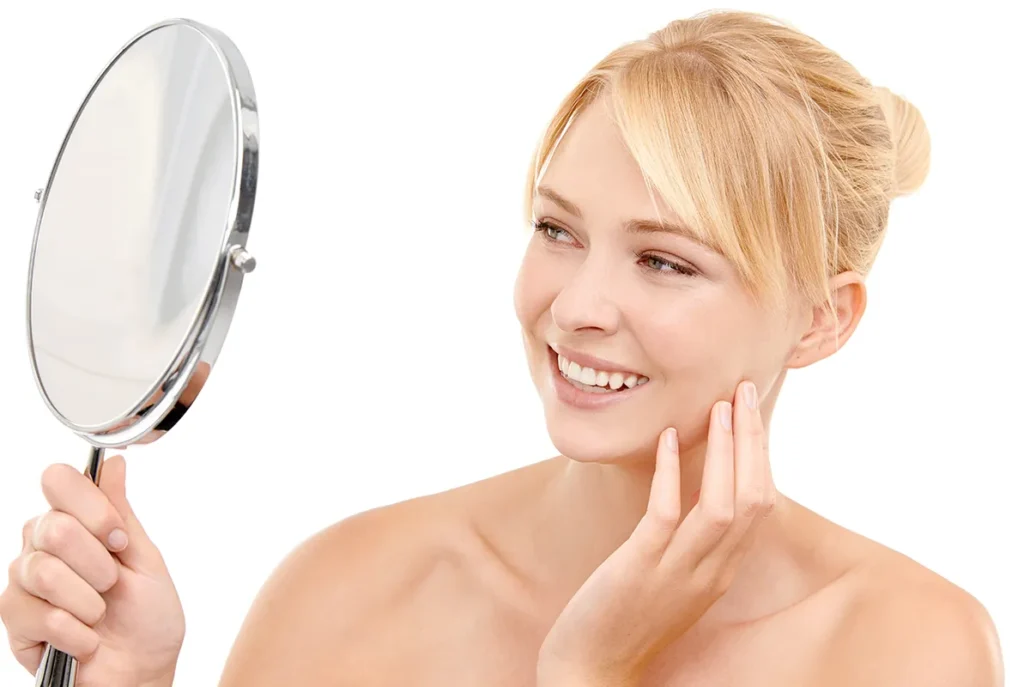
How Long Is Recovery After Fractional Laser for Acne Scars?
For most people, the first few days bring redness and swelling that feel a little like a sunburn. Depending on how deep the treatment goes, you may also notice mild flaking, tiny pinpoint spots, or some roughness as the surface sheds and renews itself.
Many patients feel comfortable returning to normal activities within a few days and are ready for makeup within about a week, though stronger settings ask for a bit more downtime. Sun protection is essential during this stage because new skin is sensitive. The visible texture improvement keeps developing for months as collagen continues to form.
Is Fractional Laser Safe for All Skin Types?
Fractional laser can be used across a wide range of skin tones, but it is not one setting for everyone. Darker skin tones carry a higher chance of temporary darkening, known as post-inflammatory hyperpigmentation, so the device, the settings, and the pre and post care all have to be chosen carefully.
For some patients with darker skin tones, I may recommend gentler settings or a different approach altogether to keep the risk low. This is exactly why an in-person evaluation matters so much. Matching the treatment to your skin is what keeps it both safe and effective.
What Are the Risks of Fractional Laser for Acne Scars?
Fractional laser has a strong safety record, but like any procedure it comes with possible side effects. Most are temporary and settle on their own:
- Redness, swelling, and a warm or tight feeling for the first several days
- Itching, dryness, or light flaking as the skin renews
- Temporary darkening or lightening of the treated areas, more likely in darker skin tones
- Pinpoint bleeding or small scabs after deeper treatments
Less common risks include infection, a flare of cold sores in people who are prone to them, a short-lived acne breakout, and, rarely, changes in the skin’s surface. Following your pre and post care instructions closely is the single best way to lower these risks, and I will go over all of them with you ahead of time.
Who Is a Good Candidate for Fractional Laser Acne Scar Treatment?
The best candidates have atrophic acne scars, active acne that is under control, and realistic expectations about gradual improvement. Generally, good overall health helps your skin heal well, and a willingness to protect the treated area from the sun goes a long way.
There are a few situations where I usually suggest waiting. These include pregnancy or breastfeeding, recent use of certain acne medications, a tendency to form raised scars, or an active infection in the treatment area. A consultation lets me confirm that the timing and the treatment are right for you.
Schedule a Fractional Laser Consultation in New Jersey
If acne scars are wearing on your confidence, the clearest next step is a personal evaluation so we can look at your scar pattern and skin type together. I see patients at our Princeton, Robbinsville, and Voorhees offices throughout New Jersey.
Call our office or request a consultation online to get started.
Frequently Asked Questions About Fractional Laser for Acne Scars
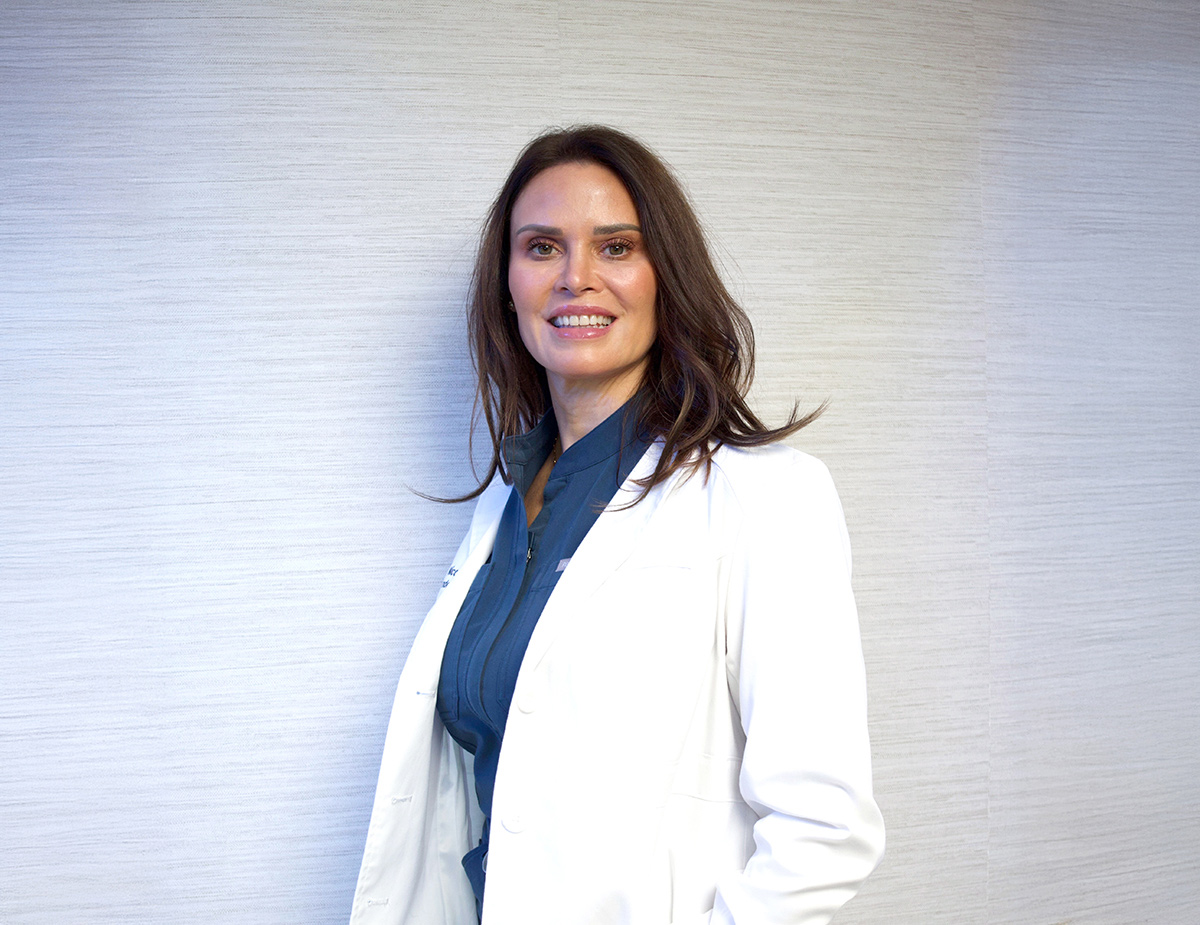
ABOUT THE AUTHOR
Nicole Schrader, MD, FACS
Dr. Nicole Schrader is a facial plastic and reconstructive surgeon with advanced specialty training in procedures of the face, head and neck. Her background combines surgical expertise with an in-depth understanding of facial anatomy, aesthetics and reconstructive techniques.
Dr. Schrader’s credentials include:
- Board-Certified in Otolaryngology and Facial Plastic & Reconstructive Surgery
- Residency — Otolaryngology–Head & Neck Surgery, Temple University
- Fellowship Training — Facial Plastic & Reconstructive Surgery
- FACS — Fellow of the American College of Surgeons
- Medical Research — Contributor to peer-reviewed research and professional medical presentations
Expertise Areas:
Facial Plastic Surgery, Rhinoplasty, Facial Rejuvenation, Eyelid Surgery, Facelift Surgery, Neck Rejuvenation, Reconstructive Facial Surgery and Non-Surgical Facial Treatments.