Laser resurfacing is one of the most popular skin treatments in the country, with more than one million procedures performed in 2023 according to the American Society of Plastic Surgeons. Many patients come into my Princeton office unsure which type they actually need, and the question I hear most is simple: fractional laser vs CO2 laser, which one is better? The honest answer is that it is not quite a fair comparison. CO2 is a type of laser, while fractional describes how that laser is delivered, so the two overlap instead of compete. Some fractional lasers are CO2, and many CO2 lasers are fractional. What really separates your options is how much of the skin’s surface a treatment removes and how deep it works, and that is what drives both your results and your recovery.
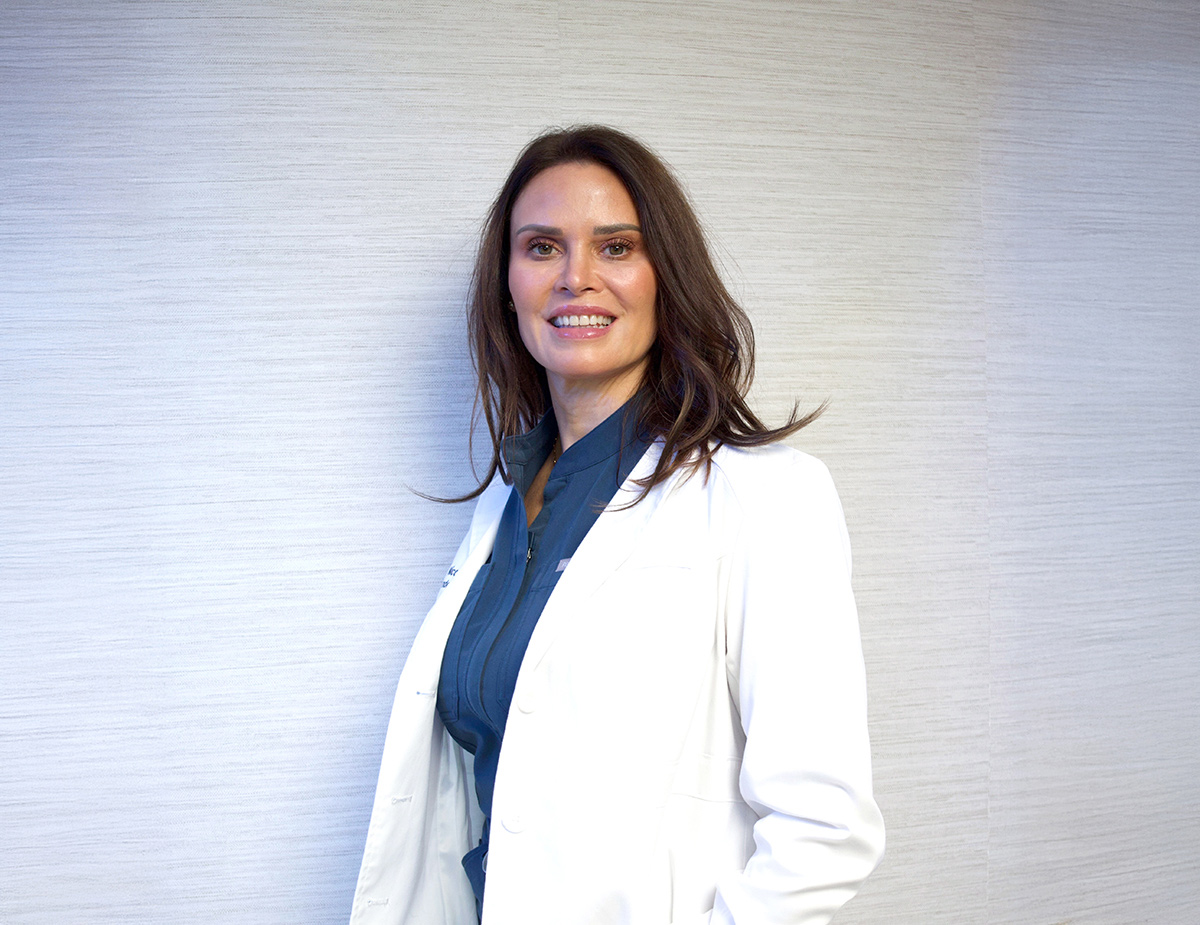
I am Dr. Nicole Schrader, a double board-certified facial plastic surgeon in Princeton, New Jersey. I have spent more than 20 years focused on the face, and laser resurfacing is one of the treatments I rely on for smoothing lines, softening scars, and evening out tone. Here is how fractional and CO2 lasers compare, where they overlap, and how to figure out which one suits your skin and your schedule.
Key Takeaways: What to Know Before You Pick a Laser
- Fractional and CO2 are not really opposites since CO2 is a type of laser and fractional is a way of delivering it, so one laser can be both.
- The distinction that matters most is whether a laser removes the skin’s surface (ablative) or heats the layers beneath without removing them (non-ablative).
- Among ablative treatments, how deep and aggressive the session is sets both the strength of the results and the length of recovery.
- The right laser depends on your skin type, your concern, and how much recovery time you can spare.
- An in-person evaluation matters far more than any online comparison when it comes to safety and results.
What Is Fractional Laser Resurfacing?
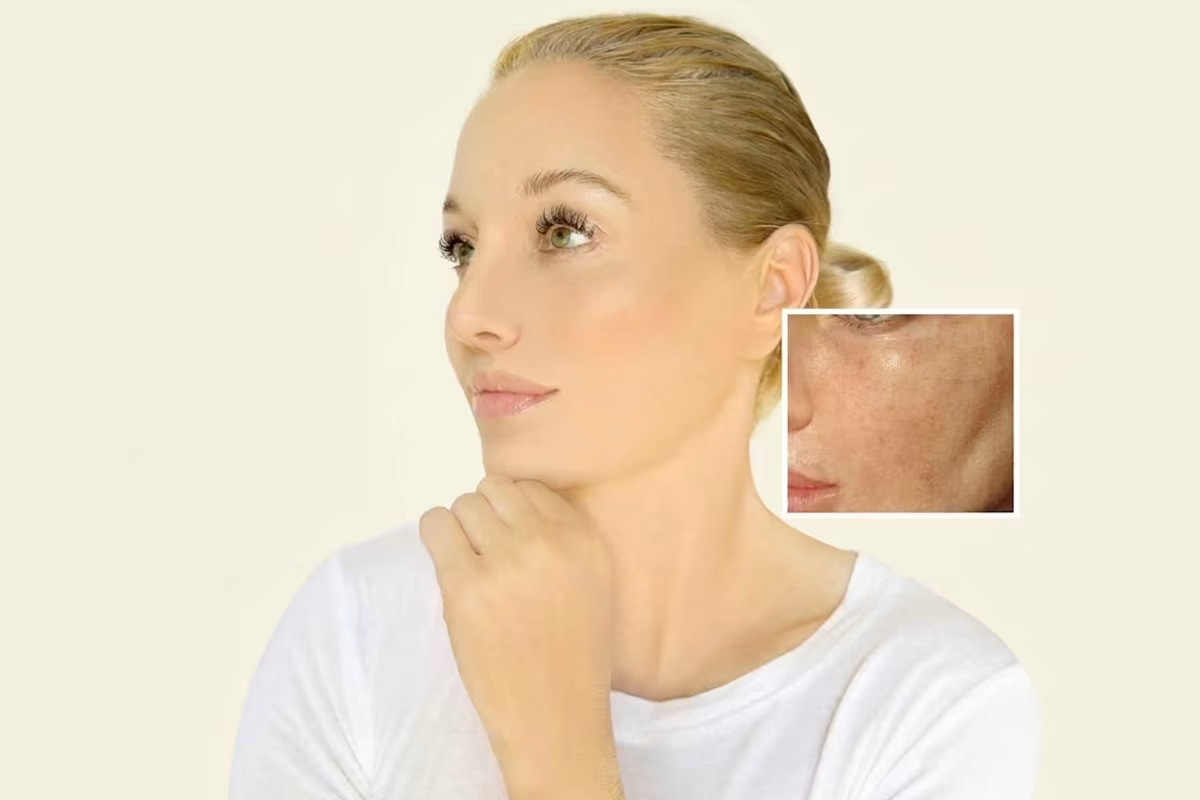
Fractional laser resurfacing describes how the laser is delivered, not how strong it is. Instead of treating the whole surface at once, it works in a pattern of tiny columns and leaves the skin around each one untouched, which helps the area heal faster while prompting fresh collagen over the following weeks. That pattern can be paired with either an ablative or a non-ablative laser, so fractional on its own does not tell you how deep a treatment goes, only that it is applied in fractions rather than across the full surface.
Because the laser skips the skin between those columns, recovery tends to be quicker than full-surface resurfacing. Many of the best-known fractional devices, such as Clear + Brilliant, are non-ablative and keep downtime short, which is why fractional has a reputation as the gentler route, even though it does not have to be. I reach for fractional settings when someone wants real improvement in texture, fine lines, or scarring but cannot take two weeks off to heal.
What Is CO2 Laser Resurfacing?
A CO2 laser is a type of ablative laser named for the carbon dioxide gas that produces its 10,600-nanometer wavelength. It vaporizes the outer layers of skin and heats the layers beneath, clearing away damaged tissue and triggering strong collagen remodeling as the skin rebuilds. Of the lasers used for resurfacing, CO2 is among the most powerful.
That strength is why it is so effective for deeper concerns like heavy wrinkling, significant sun damage, and stubborn scars. It also means more downtime, since the skin needs time to recover after the surface is treated. It is worth knowing that many modern CO2 lasers are themselves delivered in a fractional pattern, which is where the two terms in this comparison start to blur.
Fractional Laser vs. CO2 Laser: Key Differences
Since many people arrive comparing fractional and CO2, here is what that difference really comes down to: CO2 is always ablative, so it sits toward the stronger, longer-recovery end. Fractional is a delivery method rather than an intensity, so fractional treatments run the whole range, from a gentle non-ablative session at one end to a deep fractional CO2 at the other. It helps to picture three points on that range: gentle non-ablative fractional, fractional CO2 that is ablative but applied in columns, and full-surface CO2 that treats the entire surface at once. The differences below all track where a treatment falls along it.
Treatment Intensity
Intensity comes down to how ablative a treatment is and how deep it goes, and fractional spans that whole range. A non-ablative fractional session is gentle and builds results gradually over a series of visits. A fractional CO2 session is genuinely ablative and can make a noticeable change in one sitting, and full-surface CO2 is the most intense of all. So a fractional treatment is not automatically mild. Its strength depends on the laser and the settings behind it.
Downtime and Recovery
Downtime follows the same range. A gentle non-ablative fractional session usually means just a few days of redness and flaking. A fractional CO2 session removes tissue, so it brings more, often about one to two weeks of visible healing, with redness that can take roughly four weeks to settle and longer after full-surface CO2. The fractional pattern shortens recovery compared with treating the whole surface at the same depth, but it does not erase it once the laser is ablative.
Expected Results
Results track intensity too. A deep ablative treatment, whether full-surface CO2 or an aggressive fractional CO2, can deliver noticeable, long-lasting smoothing after a single session. A gentle non-ablative fractional session improves the skin more gradually, often over a short series, which some patients prefer because the change looks gradual rather than sudden. Either way, satisfaction tends to run high: laser resurfacing holds an 89 percent Worth It Rating from patients on RealSelf, and CO2 resurfacing specifically sits at 86 percent.
Best Candidates
Candidacy follows the range rather than the label. Deeper ablative resurfacing suits people targeting advanced sun damage, set-in lines, or pronounced scars who can plan for recovery. A gentle non-ablative fractional session suits those after texture and tone improvements with little time away from daily life. A fractional CO2 sits in between, giving real ablative results with less downtime than full-surface resurfacing. Skin tone matters too, which I cover under safety below.
Comfort and Aftercare
Both treatments are done in the office with numbing to keep you comfortable, and aftercare is similar either way. You keep the skin clean and moist, stay out of the sun, and use sunscreen once the new skin has healed.
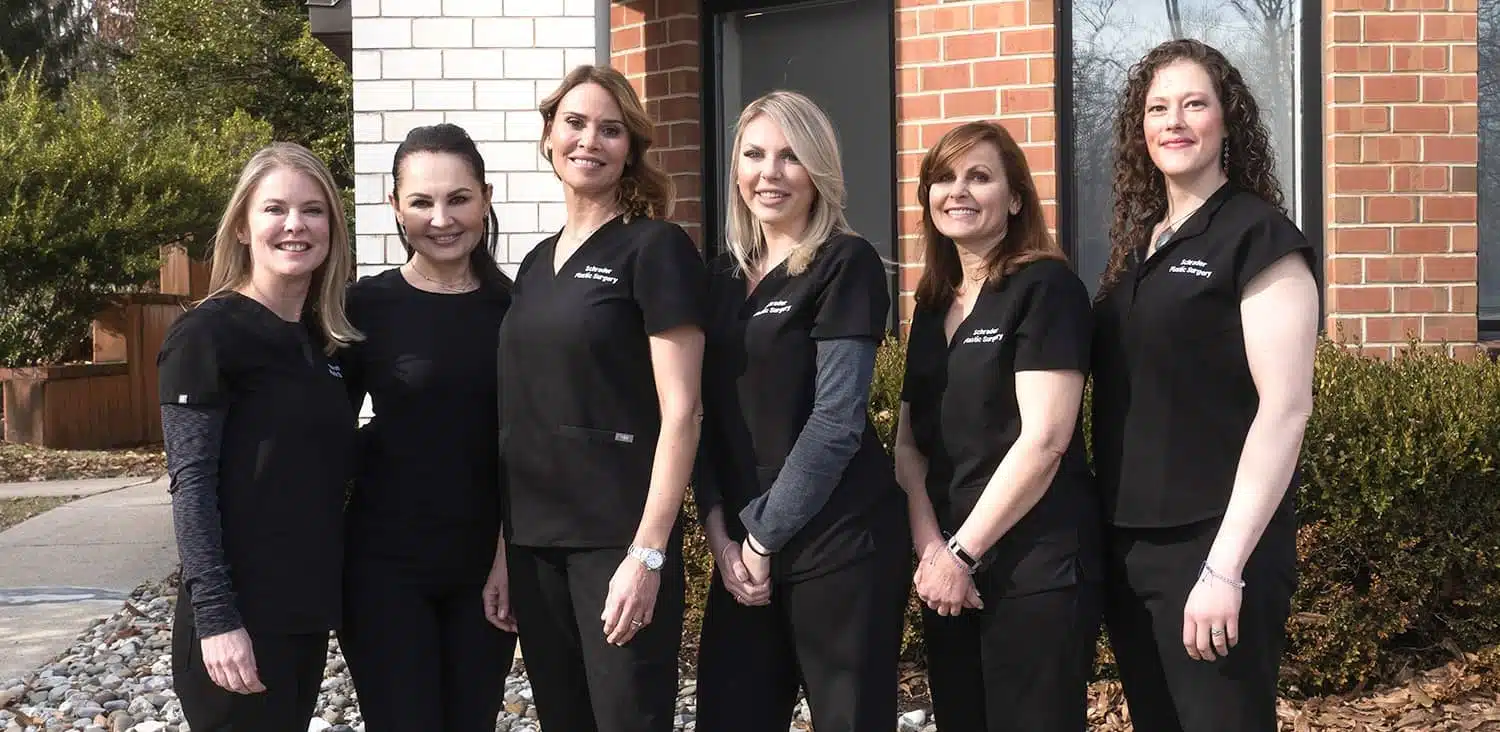

Trust your face to a specialist
My Goal is to create Harmony, Balance & true Beauty
Which Laser Is Better for Your Skin Concern?
Rather than asking which laser is best overall, it helps to ask which one fits the problem you want to solve.
Wrinkles and Fine Lines
Fine lines often respond well to a gentler, non-ablative fractional treatment over a short series. Deeper, set-in wrinkles usually call for the stronger collagen response of an ablative laser, such as fractional or full-surface CO2.
Acne Scars
Both can improve acne scarring, and the research backs it up. A systematic review of fractional CO2 laser studies found that most patients saw a 30 to 70 percent improvement in the appearance of their acne scars. Deeper or pitted scars tend to benefit from more aggressive ablative resurfacing, often fractional CO2, while milder texture left from old breakouts can improve with a gentler, non-ablative session.
Dark Spots and Sun Damage
Surface pigment and sun spots often respond to a gentler, non-ablative treatment, sometimes paired with other treatments. Heavier, layered sun damage may need a more ablative approach to see a real difference.
Uneven Texture
Rough or uneven texture is one of the most satisfying concerns to treat, and a gentler, non-ablative fractional session is frequently enough to leave skin noticeably smoother without a long recovery.
Is Fractional Laser Safer Than CO2 Laser?
I would avoid calling any laser flatly safer than another, because safety depends on how well a treatment is matched to the person. A gentler, non-ablative treatment carries less risk of prolonged redness or pigment change, but an ablative CO2 treatment performed carefully on the right candidate is also very safe.
What actually drives safety is your skin type, the depth chosen, the experience of the person holding the laser, and how closely you follow aftercare. Deeper resurfacing on darker skin tones, for instance, needs extra caution because of the risk of pigment changes, which I assess closely before recommending anything. The safest treatment is the one chosen for your skin, not the one with the gentlest reputation.
How Much Does Fractional Laser vs CO2 Laser Cost?
Laser resurfacing typically runs between about $2,500 and $5,000 per treatment, with RealSelf putting the national average around $2,786. The exact figure depends on the type of laser, the size of the area, and the number of sessions, and the price is usually lower when resurfacing is combined with another procedure.
A deeper ablative treatment can cost more per session but may need only one visit. A gentler, non-ablative fractional session can cost less each time but is often done as a short series, so the totals land closer together than you might expect. We go over exact numbers at your visit.
When Should You See a Facial Plastic Surgeon?
Plenty of medspas offer laser treatments, but a device is only as good as the judgment behind it. Seeing a facial plastic surgeon matters most when your concern needs real depth, when you have reacted to a treatment before, or when your skin tone calls for a more careful plan.
A consultation is also the only reliable way to answer the fractional-versus-CO2 question for your face. I look at your skin in person, ask about your history and timeline, and recommend the approach that fits your goals.
Schedule a Laser Consultation in New Jersey
If you would like a clear answer about which laser suits your skin, call our Princeton office at 609-279-0009 or request a consultation through our website. We will look at your skin together and map out a plan that fits your goals and your schedule.
Frequently Asked Questions About Laser Treatments