


Fine lines and early signs of aging often appear gradually, leading many people to wonder what age to start Botox and whether beginning sooner provides better long-term results. Botox treatments help soften dynamic wrinkles that form from repeated facial movements, allowing patients to maintain a smoother, more refreshed appearance at any decade of life.
While there is no universal ideal age, understanding how Botox injections work and how aging affects the skin can help you decide when it may be right for you.
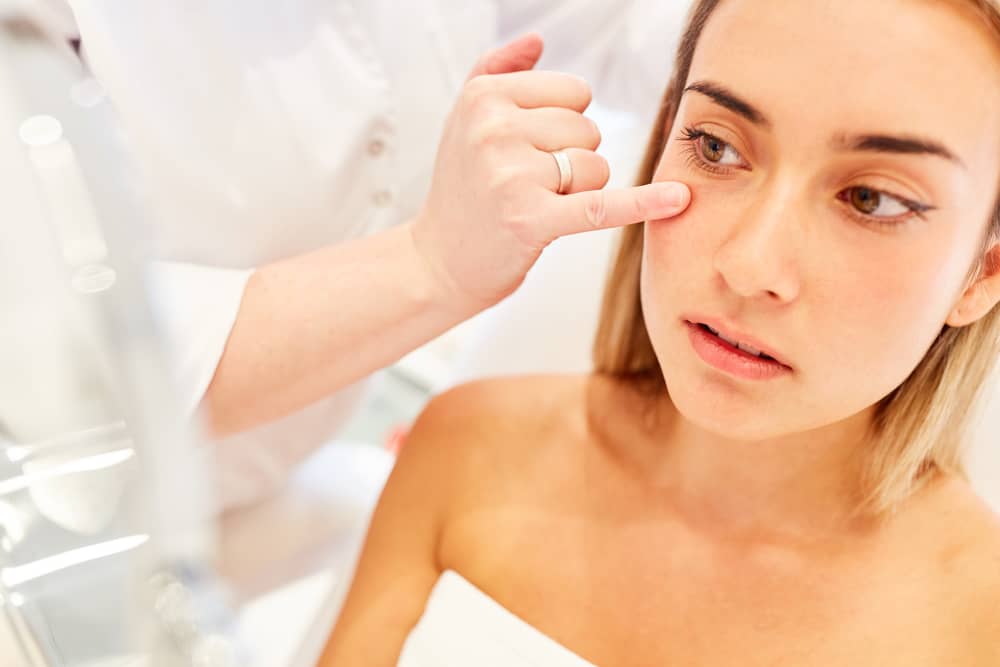
Understanding Preventative Botox
Preventative Botox uses small, precise injections to reduce muscle movement before fine lines become deeply set. Many patients begin considering treatment in their mid-to-late 20s or early 30s, when lines appear with facial movement but are not yet visible at rest.
- Helps slow the formation of dynamic wrinkles
- Commonly started in the mid-to-late 20s or early 30s, depending on genetics and facial movement
- Ideal for patients who notice lines with expression rather than at rest
- Preserves a youthful appearance without an overtreated look
- Focuses on subtle, preventative care instead of corrective treatment later
How Aging Affects the Skin
Aging is influenced by genetics, sun exposure, facial muscles, and skin type. Over time, collagen and elastin decrease, making lines and wrinkles more noticeable. Frequent expressions—raising the eyebrows, squinting, or frowning—create dynamic wrinkles that can eventually settle into deeper lines.
The natural aging process varies widely among patients. Someone in their late 20s or early 30s may notice early signs such as forehead wrinkles, mild crow’s feet, or faint lines between the eyebrows, while others may not see these changes until their 40s or 50s and 60s. Understanding when these changes begin for you can guide the timing of your Botox consultation.
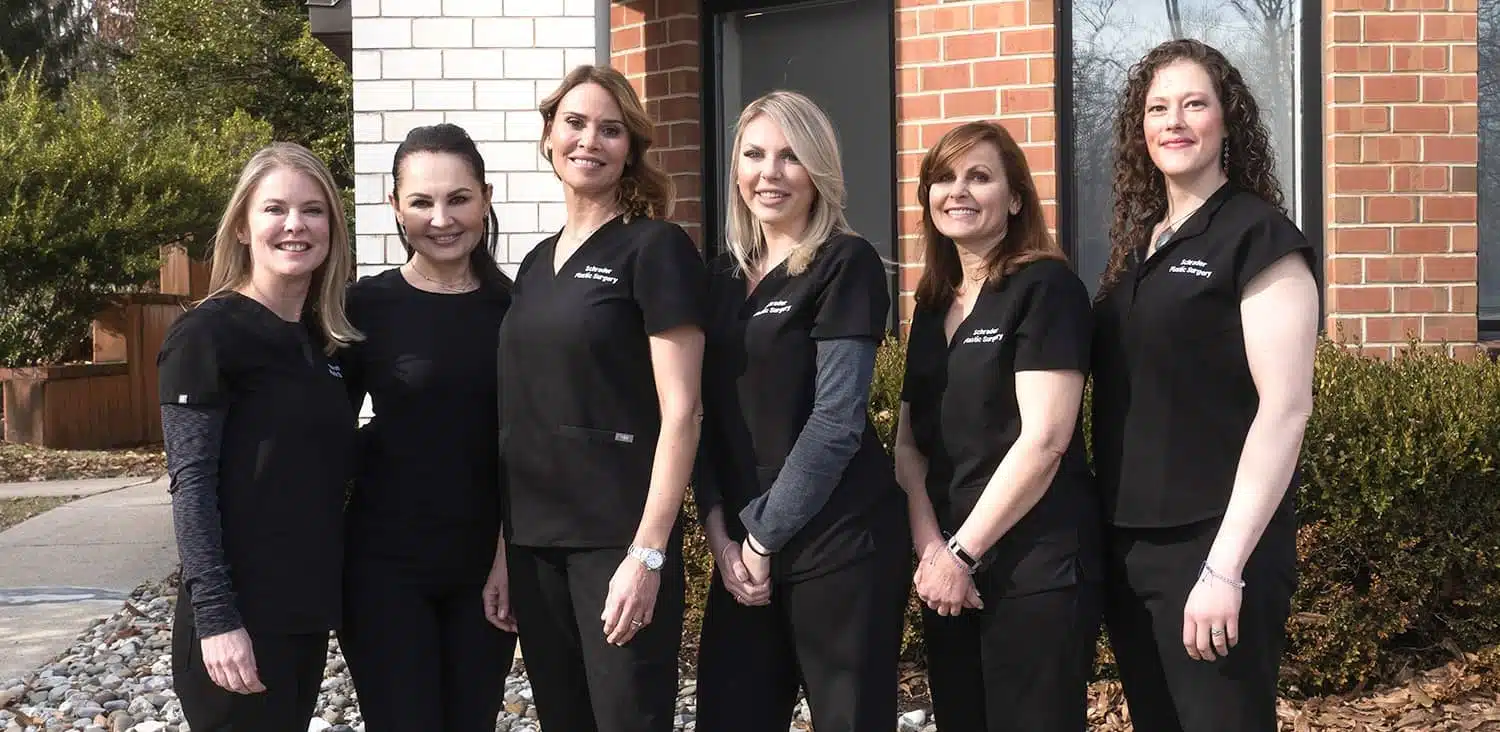

Trust your face to a specialist
My Goal is to create Harmony, Balance & true Beauty
Common Ages to Start Botox Treatments
Botox in Your 20s
In the late 20s, some patients begin noticing early signs related to expression patterns. Simple changes, such as faint forehead lines or subtle lines around the eyes, may prompt interest in Botox treatments. When used at this age, Botox is typically conservative—small doses placed with precision to soften movement while preserving natural facial expression. Many patients at this stage also focus on a good skincare routine and sun protection to support long-term skin health.
Botox in Your 30s
The early 30s are a popular decade to consider Botox injections because lines often become more visible during this time. Collagen loss begins to accelerate, and dynamic wrinkles may appear even when the face is at rest. Botox treatment at this age can help slow progression and prevent lines from deepening, especially in areas such as the forehead, between the eyebrows, and around the eyes. Regular treatments every few months may help maintain smoothness and support long-term aesthetic goals.
Botox in Your 40s, 50s, and Beyond
Patients in their 40s often have more pronounced lines from years of facial expression and natural aging. Botox still works very well in these decades, but the focus often shifts from prevention to softening existing wrinkles. Some patients combine Botox with dermal fillers or other cosmetic treatments to address volume loss or deeper wrinkles that cannot be treated with injections alone. In the 50s and 60s, Botox remains an effective option for improving expression lines and creating a refreshed look.
Facelift Before & After photos
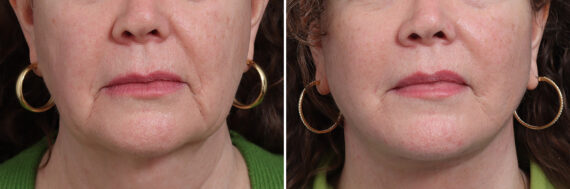
* All patients are unique and individual results may vary.
Signs You May Be Ready for Botox — Regardless of Age
Botox readiness is not defined by age as much as by your skin and expression patterns. You might be ready if you’re experiencing:
- Lines that remain visible even when your face is relaxed
- A habit of raising your eyebrows, frowning, or squinting that contributes to forehead lines or fine lines around the eyes
- Early signs of aging that makeup no longer smooths over
- A desire to maintain a youthful appearance with subtle, nonsurgical care
These factors vary widely among patients and are influenced by your facial muscles, genetics, and lifestyle rather than a specific decade of life.
Factors to Consider Before Starting Botox
Deciding when to begin Botox treatments involves more than age. Your skin type, degree of sun exposure, family history, and personal preferences all play a role. Some patients prefer to delay treatments until wrinkles appear, while others choose early care to maintain smoother skin over time. Scheduling a Botox consultation allows you to understand how your muscles move, how wrinkles are forming, and what treatment approach best aligns with your aesthetic goals.
Benefits of Starting Botox Early
Beginning Botox before deep wrinkles develop can help preserve smoother skin and reduce the need for more extensive treatments later. When facial muscles move less aggressively, lines form more slowly and remain more superficial. Early intervention can also make future Botox results more natural because muscles have not yet formed strong crease patterns. Many patients appreciate that consistent but conservative Botox injections help maintain a rested appearance over the years.
Is There Such a Thing as “Too Early” for Botox?
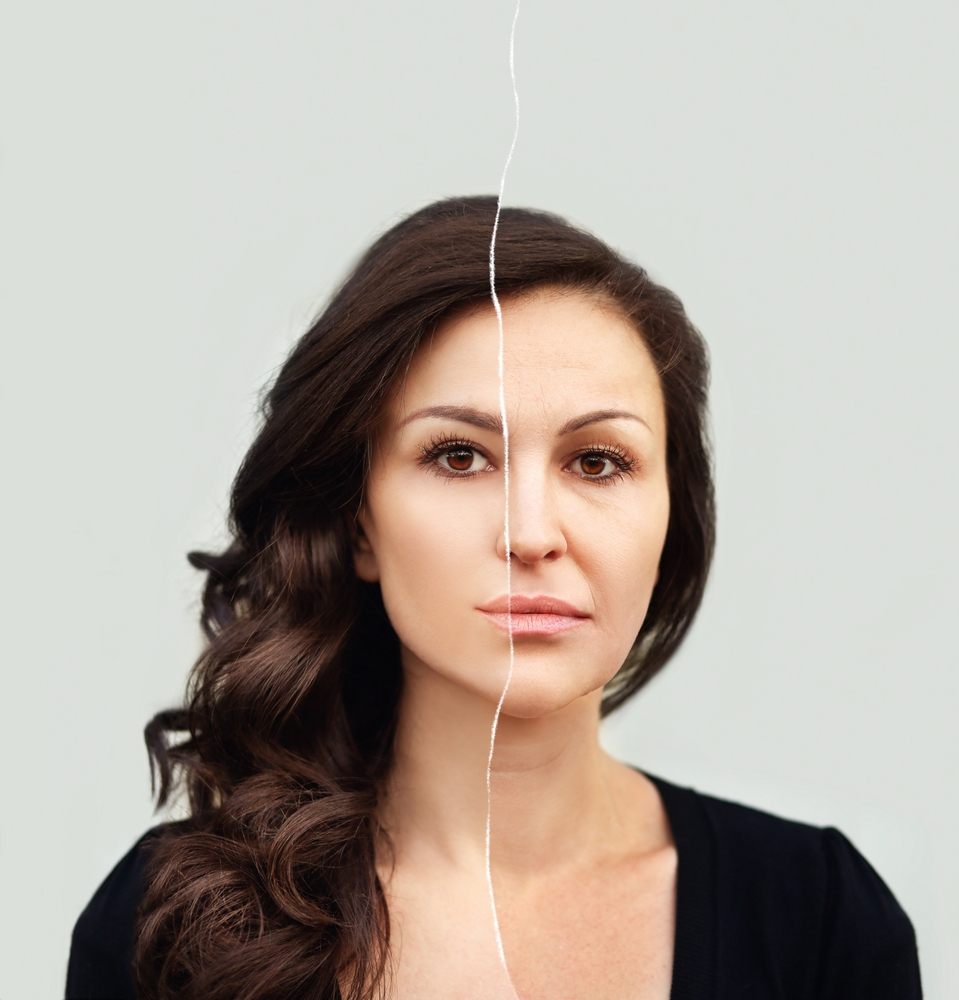
For most patients, the decision comes down to whether dynamic wrinkles are actually forming. If the skin shows no movement-related lines and the facial muscles are not creating visible creases, starting Botox may not be necessary. A careful assessment during a consultation can determine whether waiting is more appropriate. The goal is to treat wrinkles when they begin to appear—not before the skin shows any signs of aging.
What to Expect During Your Consultation
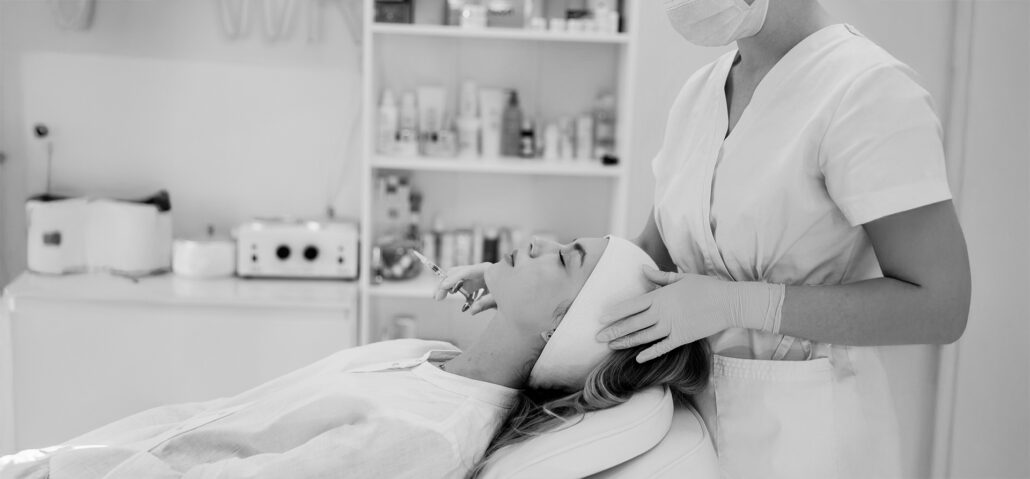
During a Botox consultation, Dr. Schrader evaluates factors such as muscle movement, skin quality, expression patterns, and any areas where lines and wrinkles are forming. She discusses your aesthetic goals, treatment expectations, and ideal dosing to achieve natural-looking results. The consultation is also an opportunity to review how often regular treatments may be needed and whether combining Botox with other treatments may be appropriate for your concerns.
Case Study
Comfortable, Bruise-Free Botox Experience with Natural Results
5 Stars ★★★★★
Patient: Chiara Sturgill
Visit Type: Non-Surgical Aesthetic Treatment
Overview
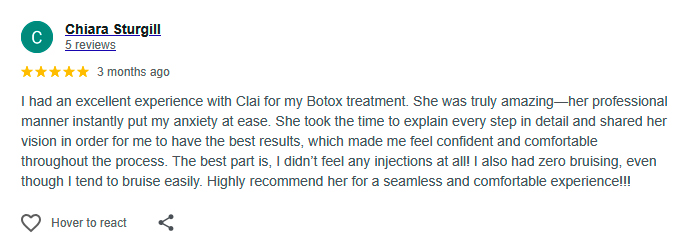
Chiara sought Botox treatment and was treated by Clai, whose professionalism and calming presence immediately helped ease her anxiety. From the initial consultation through the treatment itself, Chiara felt fully informed, confident, and comfortable, resulting in an exceptionally positive experience.
Treatment Details
Clai demonstrated a high level of professionalism, clearly explaining each step of the procedure and outlining a personalized vision to achieve optimal, natural-looking results.
The treatment was performed with exceptional technique, resulting in virtually painless injections, even for a patient prone to anxiety.
Despite a known tendency to bruise easily, Chiara experienced zero bruising, highlighting careful injection methods and attention to detail.
Thorough explanations and transparency throughout the process helped establish trust and confidence.
Outcome
- Smooth, natural Botox results
- Pain-free treatment experience
- No bruising or downtime
Chiara describes the experience as seamless and highly comfortable, enthusiastically recommending Clai to anyone seeking Botox with minimal discomfort and excellent results.
Key Takeaways
Calm communication and refined technique significantly reduce anxiety and discomfort.
Expert injection methods minimize bruising and downtime.
Explaining each step builds confidence and trust.
A positive experience leads to strong patient recommendations.
Why Choose Dr. Nicole Schrader for Botox & Injectable Treatments
Dr. Nicole Schrader is a double board-certified facial plastic surgeon with over 20 years of experience in facial aesthetics. Her training in Facial Plastic Surgery provides an advanced understanding of facial anatomy, allowing her to deliver precise, natural-looking Botox results through a personalized, patient-centered approach that enhances facial balance while preserving natural expression.
Here’s why patients trust her for Botox:

FAQs About the Best Age for Botox
Final Thoughts — The Right Age Depends on You
There is no single ideal age for Botox. The decision depends on your signs of aging, lifestyle, and long-term goals. Whether you are beginning to notice early expression lines or looking to soften deeper wrinkles, a personalized evaluation ensures you receive the right approach for your face and your decade. Meeting with a qualified facial plastic surgeon provides clarity on when to begin, what to expect, and how Botox can fit into a natural, individualized aging plan.