


Rhinoplasty in Princeton, NJ for Natural Facial Balance
Few cosmetic procedures require the level of technical skill and aesthetic judgment that rhinoplasty demands. For rhinoplasty Princeton NJ patients, the goal is rarely a dramatic transformation — it is a refined, balanced result that looks natural and allows patients to feel like themselves. At Schrader Plastic Surgery’s Princeton office, Dr. Nicole Schrader approaches every nose job with a thorough understanding of facial proportion, individual anatomy, and the surgical adjustments that create meaningful, lasting change.




The Role of the Nose in Facial Harmony
The nose sits at the center of the face, which means even small irregularities can affect how the entire face looks. Because it is the most prominent feature on the face, the nose influences how other features are perceived — a nose that feels too wide, too large, or asymmetrical can draw attention away from the eyes and lips.
Facial Proportions and the Nasal Bridge
Facial analysis divides the face into thirds and fifths. The nose occupies the middle vertical third and the central horizontal fifth, meaning its size, projection, and width directly affect how balanced the face appears. The relationship between the nasal bridge, nasal tip, chin, and forehead shapes the profile. Rhinoplasty addresses these relationships by bringing the nose into better proportion with the surrounding face rather than changing it in isolation.
Common Aesthetic Concerns Rhinoplasty Patients Notice
Patients seeking rhinoplasty for cosmetic reasons typically identify one or more of the following concerns:
- A dorsal hump along the nasal bridge that is too visible in profile
- A nasal tip that appears rounded, drooping, or asymmetrical
- Nostrils that feel wide, flared, or uneven
- A crooked nose or nasal deviation that affects facial symmetry
- A nose that appears oversized or underprojected relative to other facial features

What Rhinoplasty Surgery Can Improve
Rhinoplasty is one of the most versatile facial plastic procedures available. Depending on the patient’s goals and anatomy, the rhinoplasty procedure can address a wide range of concerns. Common improvements include:
- Reducing or smoothing a nasal hump for a cleaner profile
- Reshaping or lifting the nasal tip for greater definition
- Narrowing the nasal bridge or adjusting nostril width
- Correcting asymmetry caused by genetics, previous surgery, or injury
- Improving nasal function alongside cosmetic goals in the same operation
The right approach depends on the patient’s goals, existing nasal structures, and the surgical plan developed during consultation.
Rhinoplasty Techniques: Open, Closed, and Specialized Approaches
The rhinoplasty technique selected depends on the complexity of the changes needed and the specific nasal structures being addressed. Dr. Schrader evaluates each patient’s anatomy and goals to determine which approach will produce the most accurate, natural-looking results.
Open Rhinoplasty and Closed Rhinoplasty
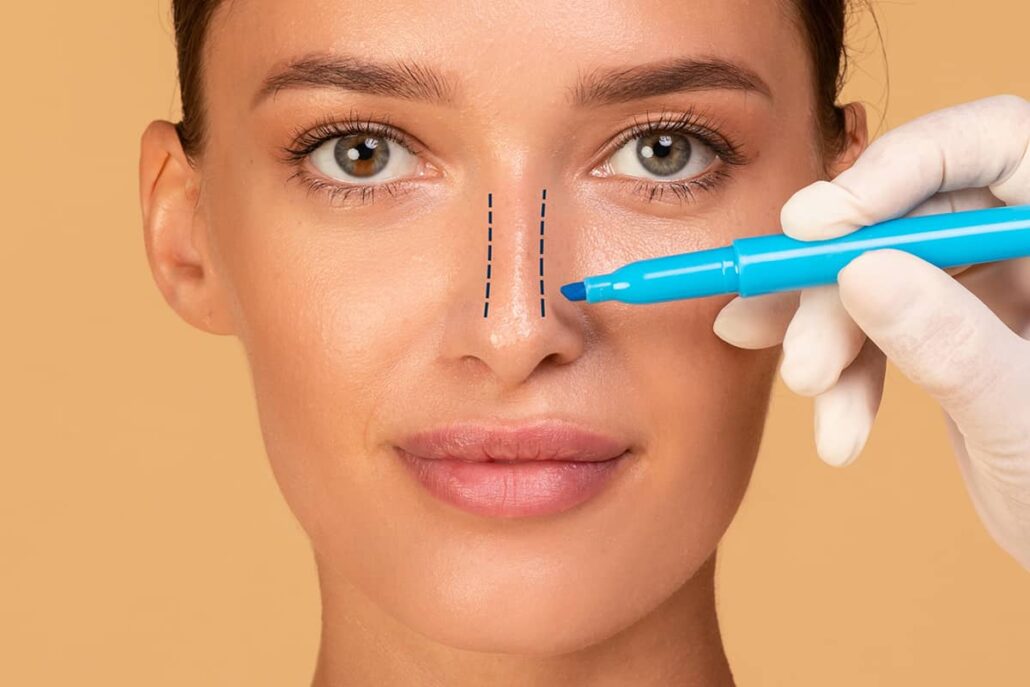
Open rhinoplasty involves a small incision across the columella in addition to incisions inside the nose, providing direct access to the nasal bones and cartilage framework. This allows for precise reshaping and is well suited for more complex cases. Closed rhinoplasty uses only internal incisions with no external scar — it is appropriate for patients whose goals require more limited structural adjustments.
Primary Rhinoplasty and Revision Rhinoplasty
Primary rhinoplasty is a first-time nose surgery performed to address cosmetic or functional concerns. Revision rhinoplasty is a secondary procedure performed to refine or correct results from a previous surgery. Because revision surgery involves altered nasal structures and potential scar tissue, it requires a higher level of surgical experience and careful planning.
Functional Rhinoplasty and Ethnic Rhinoplasty
Functional rhinoplasty addresses nasal structures that impair breathing — including a deviated septum, nasal valve collapse, or nasal congestion caused by structural obstruction. It can be performed alongside cosmetic rhinoplasty or as a standalone procedure. Dr. Schrader’s training in otolaryngology and head and neck surgery makes her well suited to evaluate and treat functional nasal concerns alongside aesthetic ones.
Ethnic rhinoplasty is nose surgery that respects and preserves the patient’s ethnic identity while addressing specific aesthetic concerns. The goal is a result that feels natural and consistent with the patient’s own facial features — not a standardized appearance. This requires a thorough understanding of how different nasal structures behave during surgery and healing.

Ideal Candidates for Rhinoplasty
Rhinoplasty works best for patients whose goals are focused on refinement rather than a complete change in appearance. Good candidates for rhinoplasty typically share several qualities:
- In good overall health and do not smoke
- Seeking improvement rather than a dramatic change in appearance
- Understand that the goal is a nose that looks natural on their own face
- Have realistic expectations about what surgery can and cannot achieve
Surgery should only be performed once the nose has fully developed — generally around age 14 to 16 for female patients and 17 to 18 for male patients. Patients of any age beyond that threshold may be considered, provided their health and goals support a good outcome.
Rhinoplasty Recovery and When Results Appear
The splint and sutures are typically removed about one week after surgery, at which point most patients feel ready to return to work and resume light daily activities. Visible bruising and swelling around the nose and eyes are common in the early days and begin to fade noticeably through weeks two and four. The nose looks considerably better within the first month, though the full picture takes longer to emerge.
Minor swelling — particularly around the nasal tip — can linger for several months, and final results can take up to a year to fully appreciate as the nasal structures settle. To support the best possible outcome during recovery, patients should:
- Protect the skin from sun exposure and avoid pressure on the nose
- Avoid strenuous activity for several weeks following surgery
- Prevent any risk of impact to the nose for an extended period
- Follow all post-operative instructions and attend scheduled follow-up appointments

Achieve Natural Facial Balance
Ready to feel completely confident in your profile? A beautifully customized rhinoplasty by Dr. Nicole Schrader in Princeton, NJ, can seamlessly harmonize your features and deliver the natural balance you have always wanted. Take the first step toward your new look today. Click the Book An Appointment button below to schedule your private consultation, or call our office directly at 609-279-0009.
Rhinoplasty Cost and Pricing at the Princeton Office
Rhinoplasty pricing at the Princeton office is determined by the specifics of each patient’s surgical plan — the complexity of the procedure, whether functional and cosmetic concerns are being addressed together, anesthesia fees, and facility costs all factor into the final figure. A written cost estimate is provided after consultation once Dr. Schrader has evaluated the nose and outlined the recommended approach.
When nasal surgery is medically necessary — for example, to address a deviated septum or other structural issue affecting breathing — insurance may cover a portion of the cost. Patients with functional concerns are encouraged to check with their provider before their appointment. For cosmetic procedures, out-of-pocket planning is standard, and the office can discuss available payment options.
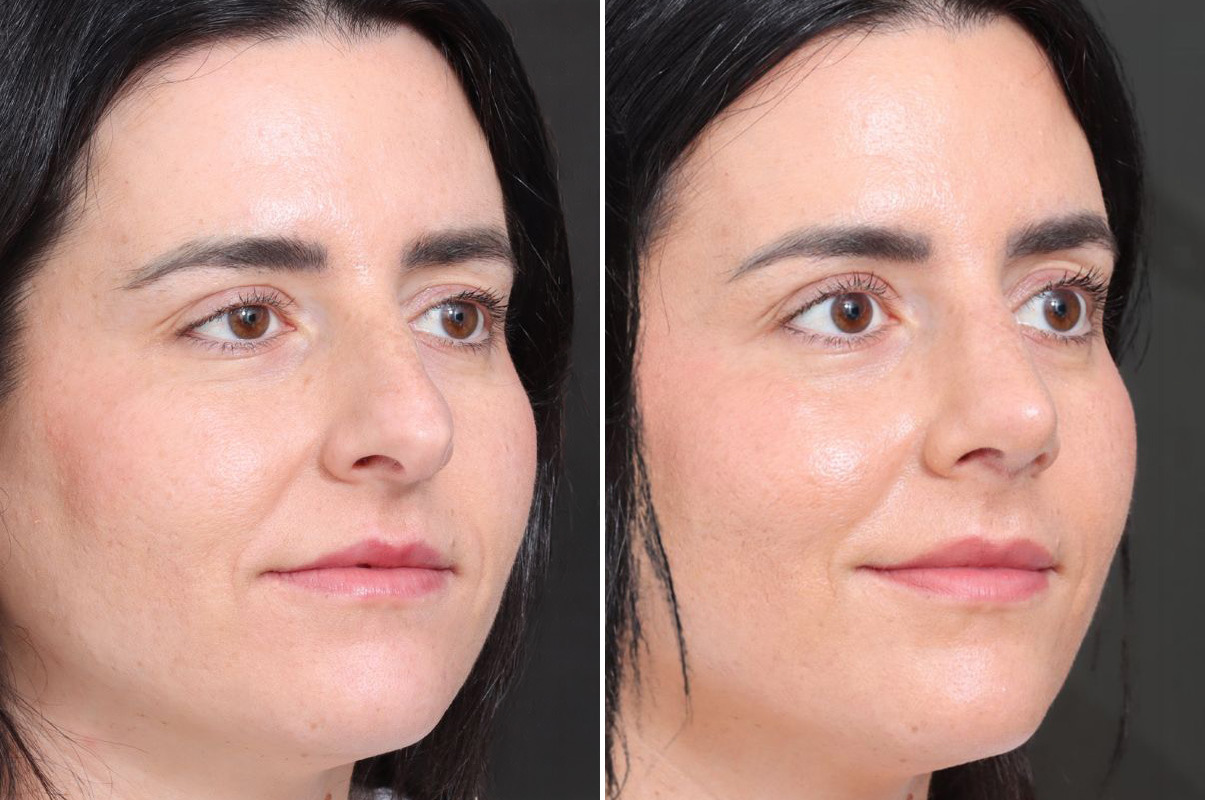
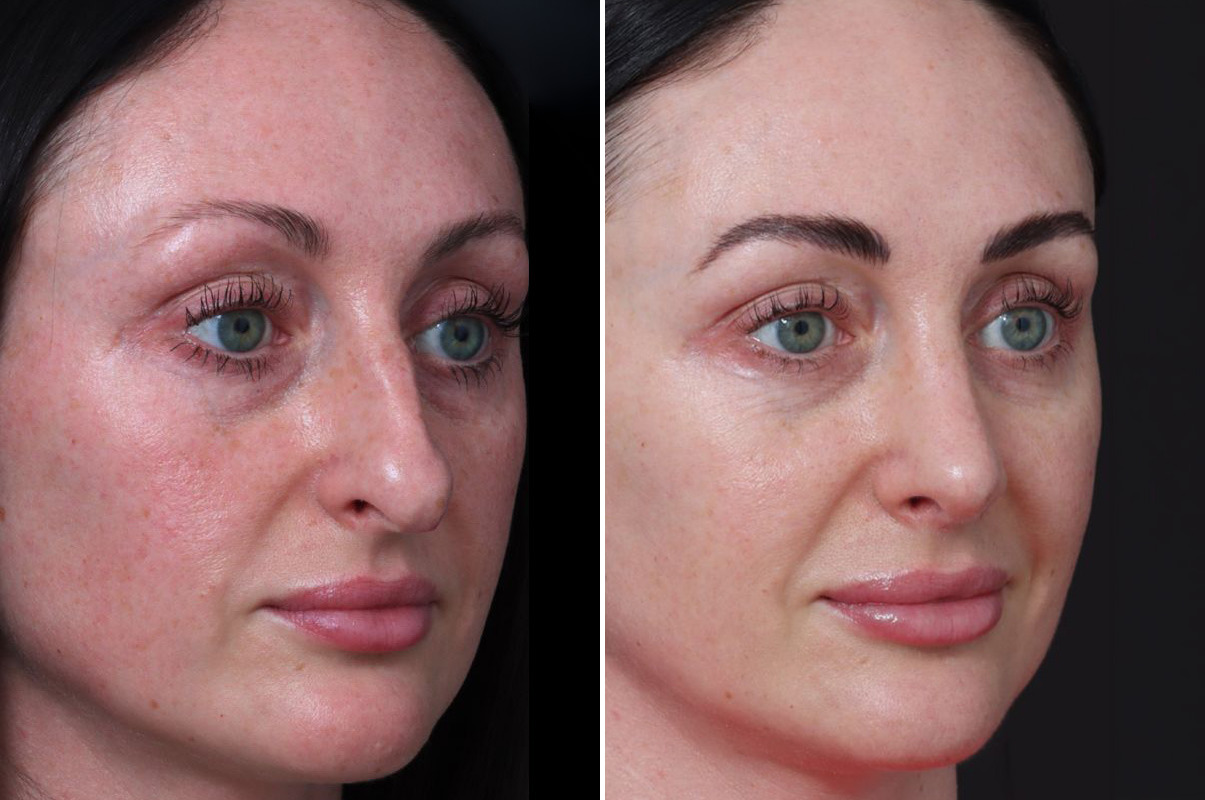
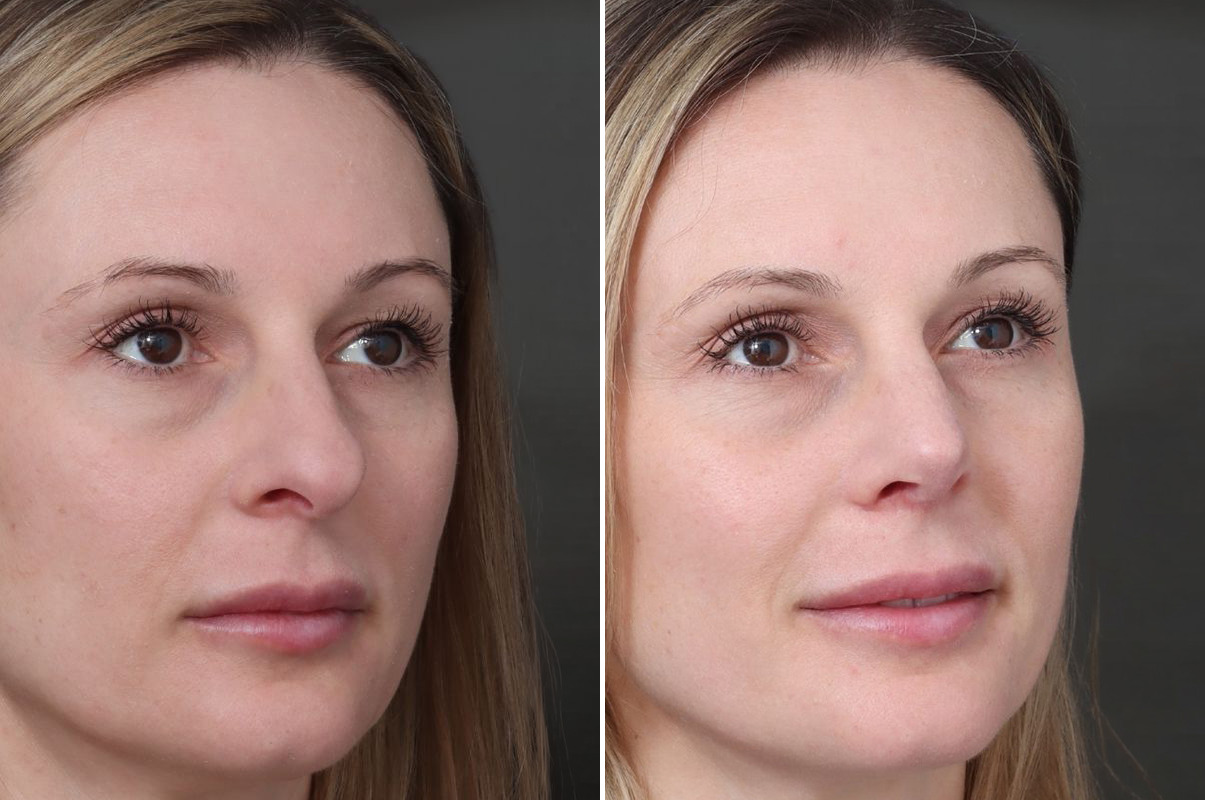
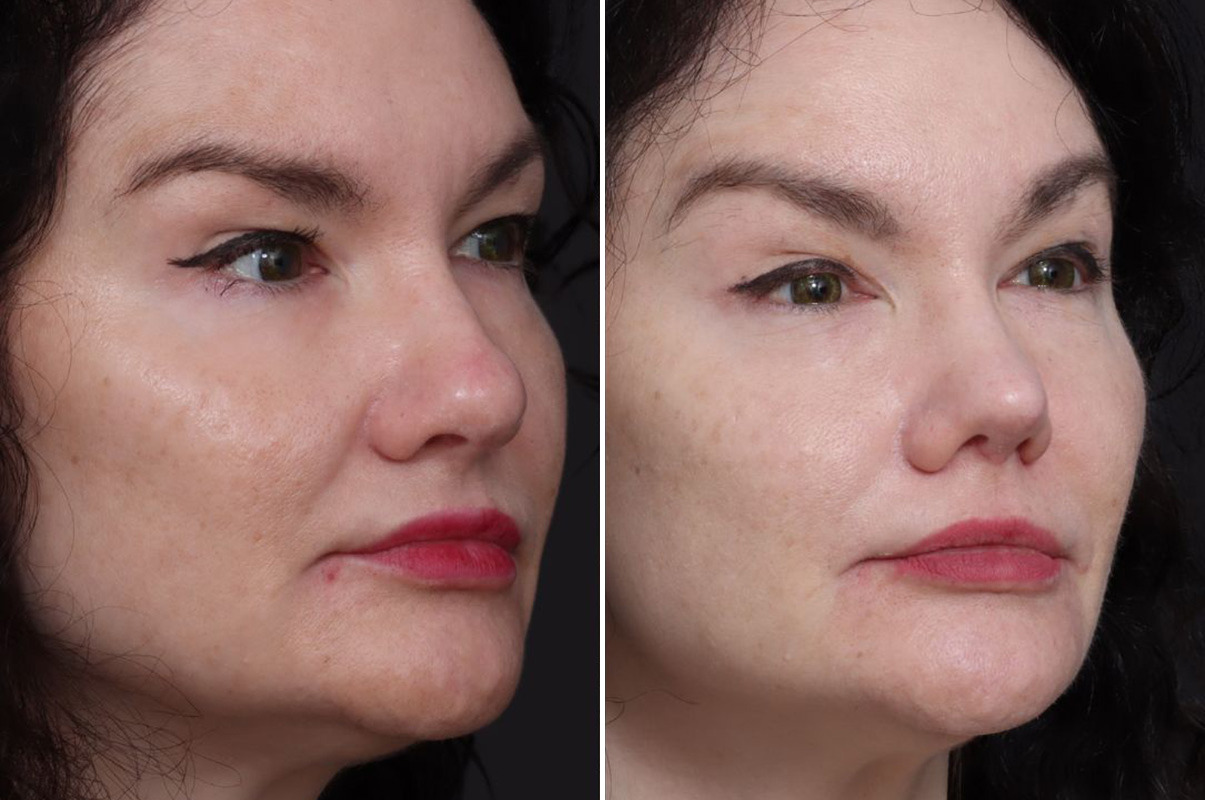
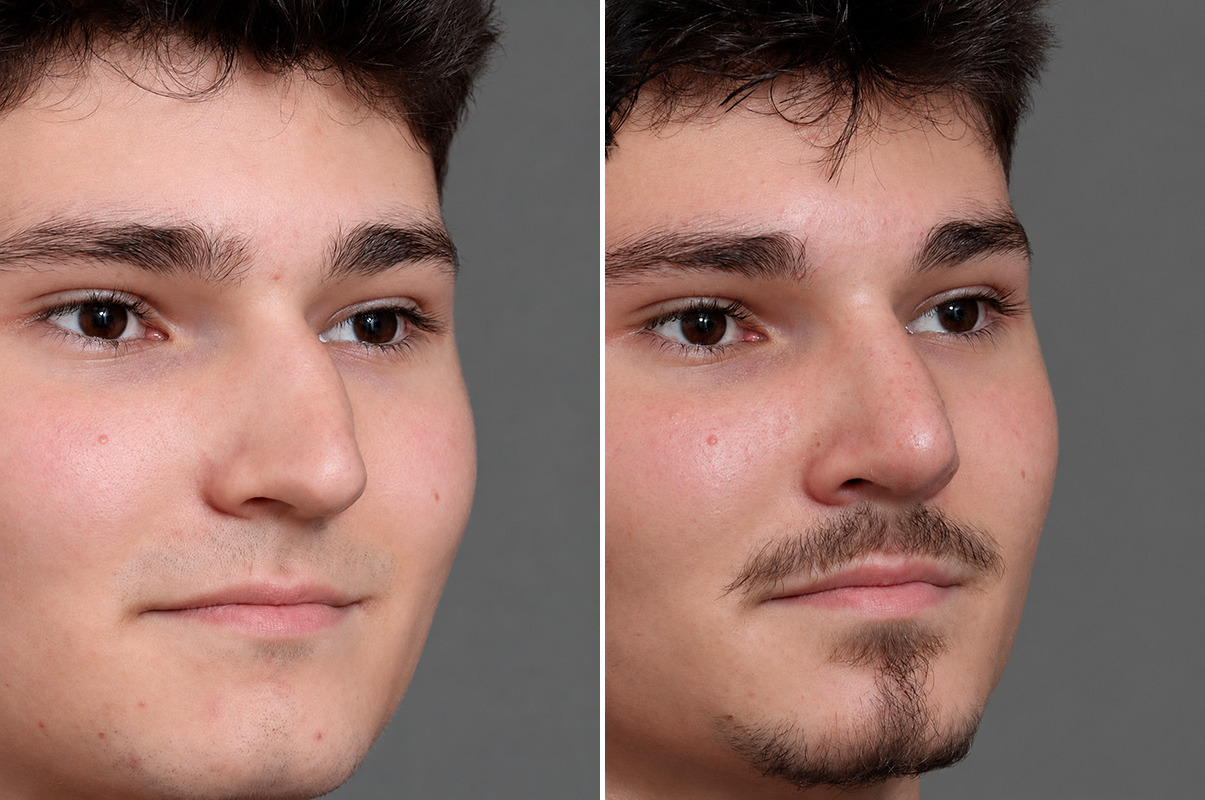
Rhinoplasty Before & After Photos
* All patients are unique and individual results may vary.
Rhinoplasty Reviews




Why Patients Choose Schrader Plastic Surgery in Princeton, New Jersey
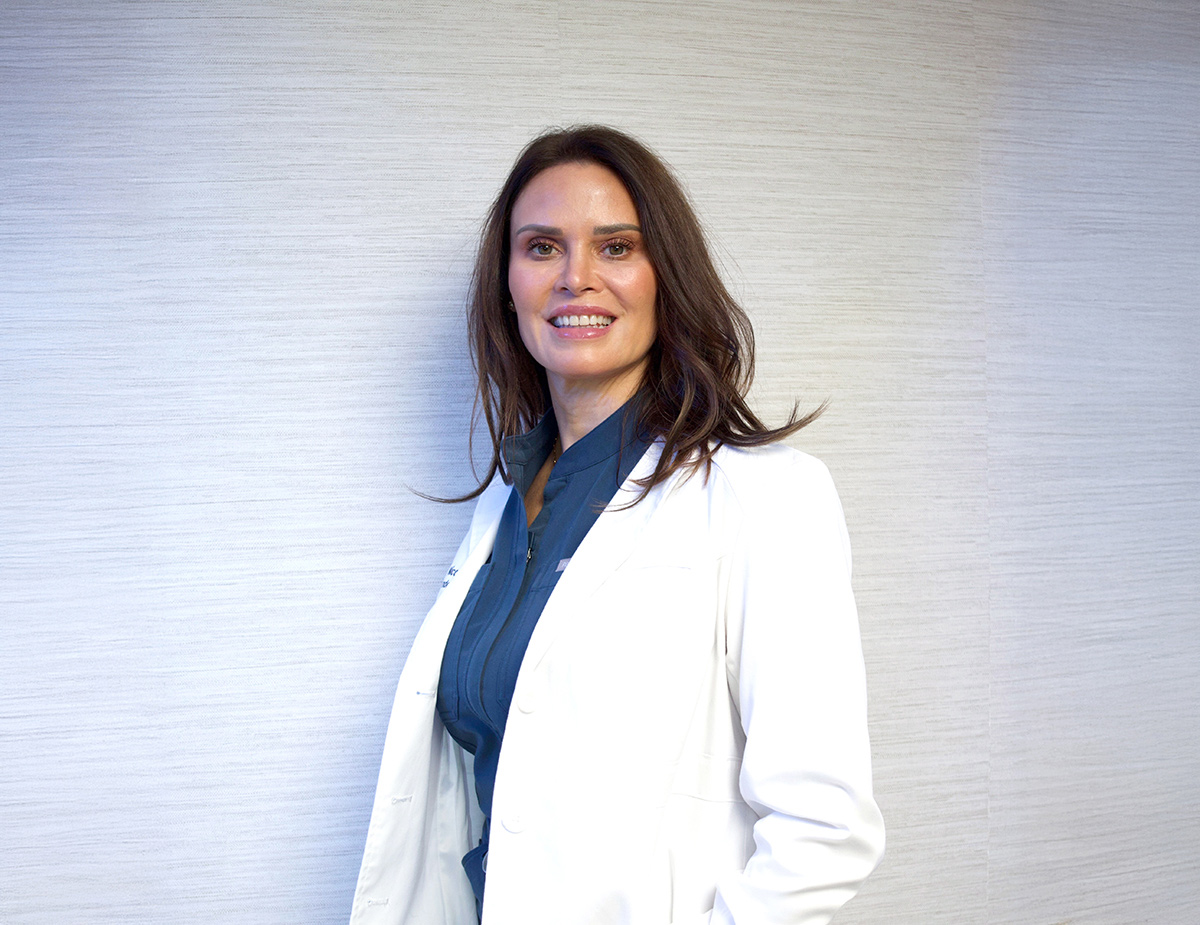
Choosing the right rhinoplasty surgeon is the most important decision in the process. Dr. Nicole Schrader’s dual board certification in facial plastic and reconstructive surgery and otolaryngology — combined with a practice dedicated entirely to the face and neck — reflects a level of specialization that a general plastic surgery clinic whose services extend beyond the face to body procedures cannot match. Her fellowship training and more than two decades of surgical experience are focused entirely on facial plastic procedures, from rhinoplasty and facelift to eyelid surgery, brow lift, and dermal fillers.
Dr. Schrader’s Princeton office serves patients throughout New Jersey and beyond. Patients consistently describe results that look natural, a consultation process that is thorough and unhurried, and a team that supports them throughout the entire surgical experience.
Contact the office at 256 Bunn Drive, Suite B, Princeton, NJ 08540 to schedule your rhinoplasty consultation. Office hours are Monday through Friday, 8:00 AM to 5:00 PM.
Frequently Asked Rhinoplasty Questions
What is the difference between an open and closed rhinoplasty procedure?
Open rhinoplasty involves a small external incision across the columella that gives the surgeon direct access to the nasal structures beneath. Closed rhinoplasty uses only internal incisions with no external scar. Open rhinoplasty is generally preferred for more complex cases, while closed rhinoplasty suits patients with more limited goals. Dr. Schrader will recommend the appropriate technique based on your anatomy and surgical plan during consultation.
How is ethnic rhinoplasty different from standard rhinoplasty?
Ethnic rhinoplasty is performed with specific attention to preserving the patient's cultural and ethnic facial characteristics while addressing their aesthetic concerns. Rather than applying a single standard of appearance, the goal is a result that feels natural and consistent with the patient's own features. The surgical approach may differ based on nasal structure, skin thickness, and cartilage characteristics that vary across different ethnic backgrounds.
Can a nose job improve both appearance and nasal function at the same time?
Yes. Functional and cosmetic goals are frequently addressed in a single operation. Patients with both a structural breathing concern — such as nasal valve collapse or a deviated septum — and a cosmetic goal can often have both addressed in the same procedure, avoiding two separate surgeries and recovery periods. Dr. Schrader's background in otolaryngology makes her well suited to evaluate and treat both aspects of nasal health.